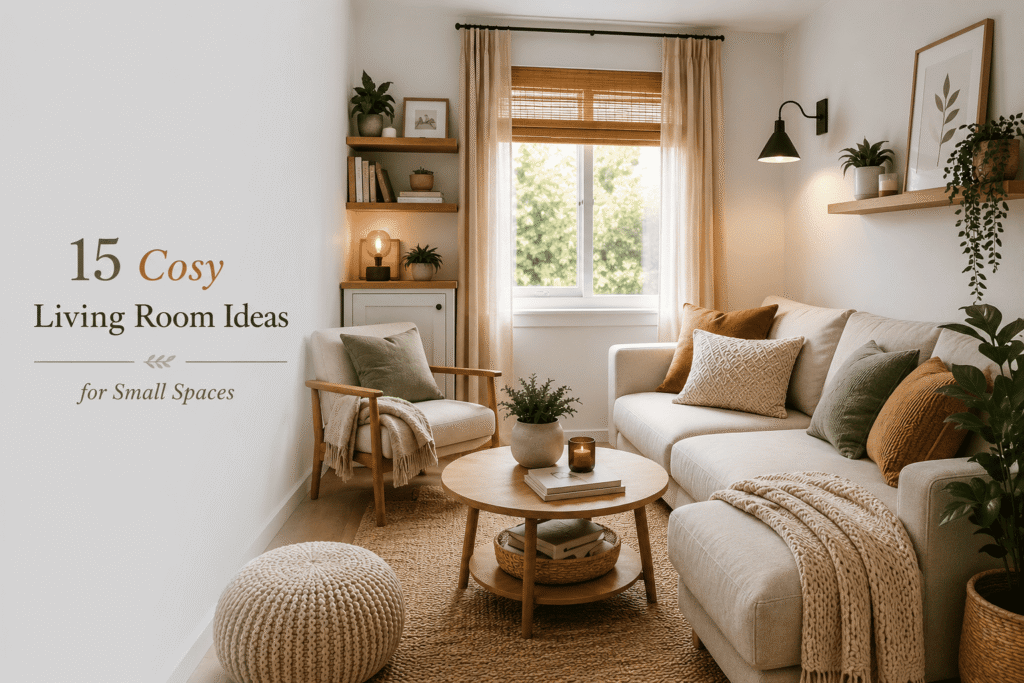
The living room is where most people’s relationship with houseplants either flourishes or ends in quiet defeat. The aspiration is a room filled with lush green life — trailing pothos cascading from shelves, a magnificent monstera in the corner, a fiddle-leaf fig catching morning light. The reality, for most people who are not devoted plant carers, is a succession of drooping plants purchased with optimism and abandoned with guilt.
Usually, the difference between what we hope for and what actually happens is not the lack of commitment – it’s about planting the wrong plants. Some of the most stunning and well-pictured houseplants are actually the ones that require the most care and attention: fiddle-leaf fig reacts very strongly to temperature changes, orchids need very specific humidity levels, maidenhair fern will lose more than half of its leaves even if neglected for a week only.
The plants selected for this guide are the ones that can actually handle the disruptions of a typical home life. Like, missing watering sometimes, not-so-perfect lighting, the two-week summer holiday, the drafty corner, and the heating-to-cooling seasonal temperature change of an average home in the UK or the US. Plus, all of them are really lovely and quite tough to kill, too.
Plant 1: Pothos (Epipremnum aureum) — The Ultimate Beginner Plant
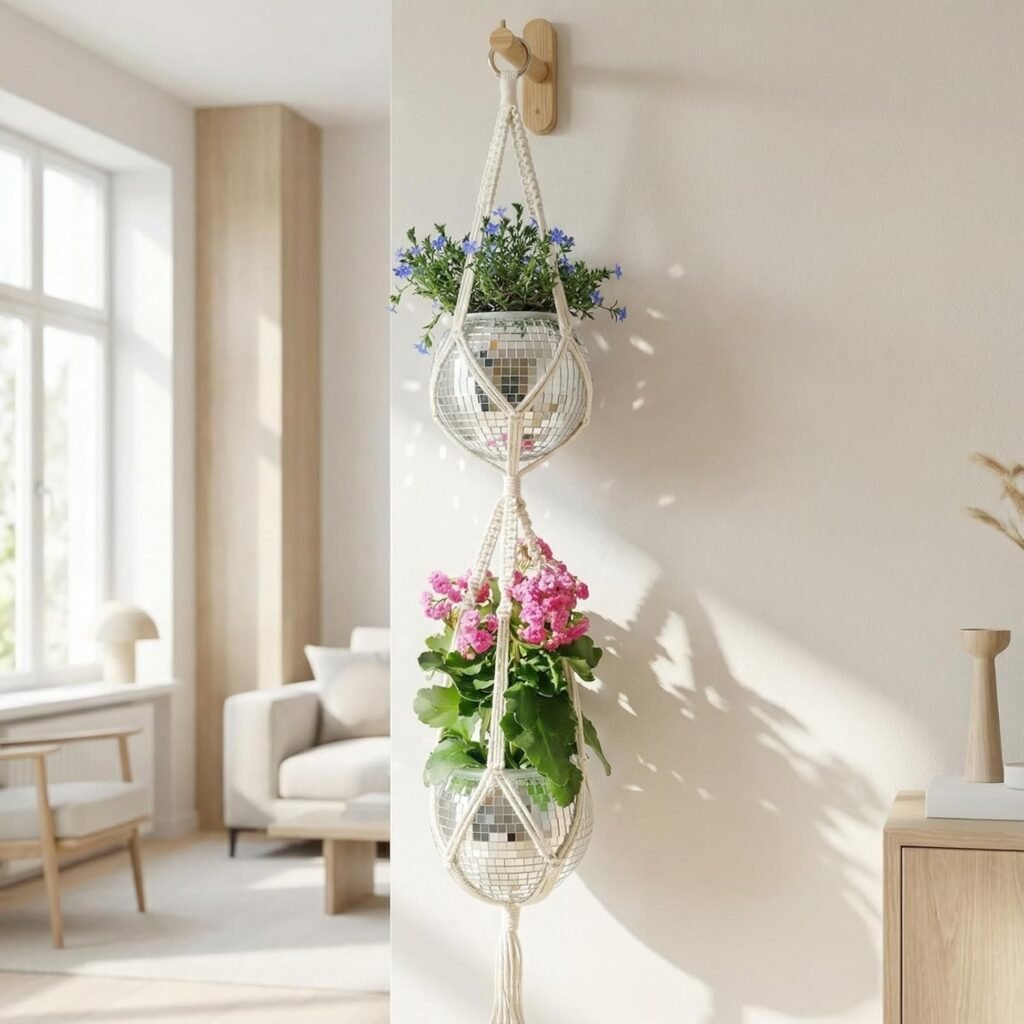
Macrame Plant Hanger Indoor Trailing
Pothos is probably the easiest, most flexible, and the most common houseplant available today, and with very good reason. It can withstand low light, bright light, irregular watering, occasional drought, and almost any level of humidity. It looks great when hanging down from shelves or macramé hangers, grows fast enough to be seen making progress, and can be propagated very easily by just putting cuttings in water.
Pothos looks stunning in a living room when it trails from a high shelf. Its long and heart-shaped leaves will hang down over the shelf edge, creating a very pleasing and deep effect. The more time passes, the more amazing it will get. Variegated yellow-green leaves belong to golden pothos; marble queen pothos has white streaked leaves; neon pothos is a very bright lime green.
- Light: almost anything from low indirect light to bright indirect. Avoid direct harsh sun.
- Water: when the top 2cm of soil feels dry. Survives 2–3 weeks of neglect without serious damage.
- Best placement: high shelf, trailing down; or in a macramé hanger near a window
- Growth: fast — a mature pothos can have trailing stems of 2+ metres
✦ PRO TIP: Roots start forming on a pothos cutting submerged in water in 2-4 weeks. Then, it can be planted into soil. Starting with one store-bought pothos plant, you could get 10 plants within a year. Pothos propagation is an excellent way to have a living room full of trailing greenery at a very low cost.
Plant 2: Monstera Deliciosa — The Living Room Statement
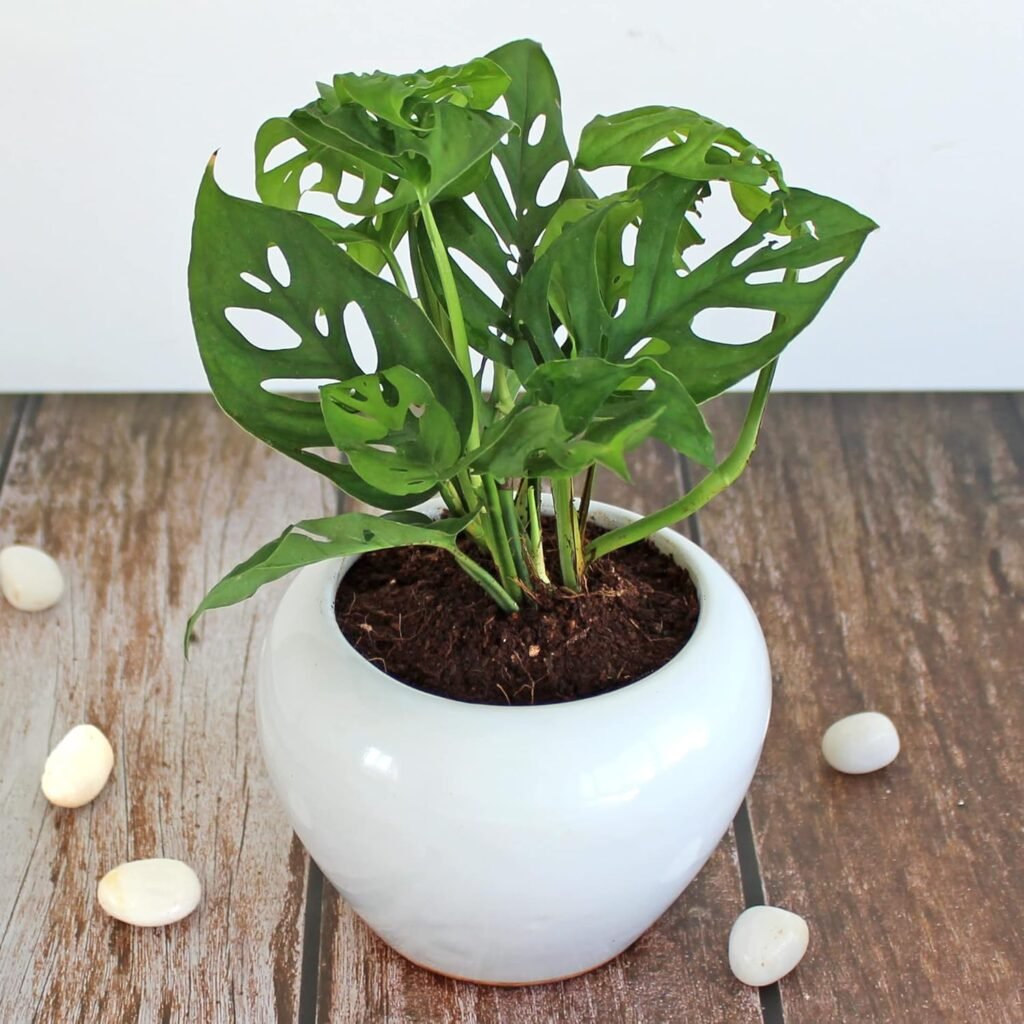
Large Plant Pot Ceramic Indoor Monstera
The monstera – The one with the massively fenestrated (split and perforated) large leaves — is the most architecturally significant living room plant you can get. A grown monstera in a gorgeous ceramic pot, positioned in the corner of a living room where it is free to spread, will become a focal point that no piece of furniture can compete with. The leaves are as big as dinner plates; under the right conditions the plant can get to the ceiling.
Monstera, although it looks dramatic, is really a very low maintenance houseplant. It can survive in low indirect light (but it’ll be faster growing and produce more fenestrations if it’s given bright indirect light), watering is only necessary when the top inch of soil is dry and it bounces back easily even after being neglected for some time.
- Light: bright to medium indirect light. Tolerates lower light but grows more slowly.
- Water: when top 2-3cm of soil is dry. Approximately once a week in summer, every 2 weeks in winter.
- Best placement: corner with space to spread, or as a single statement piece beside a sofa
- Growth: slow when young, accelerating as the plant matures. Patience is rewarded.
Plant 3: Snake Plant (Sansevieria / Dracaena trifasciata) — The Indestructible Vertical
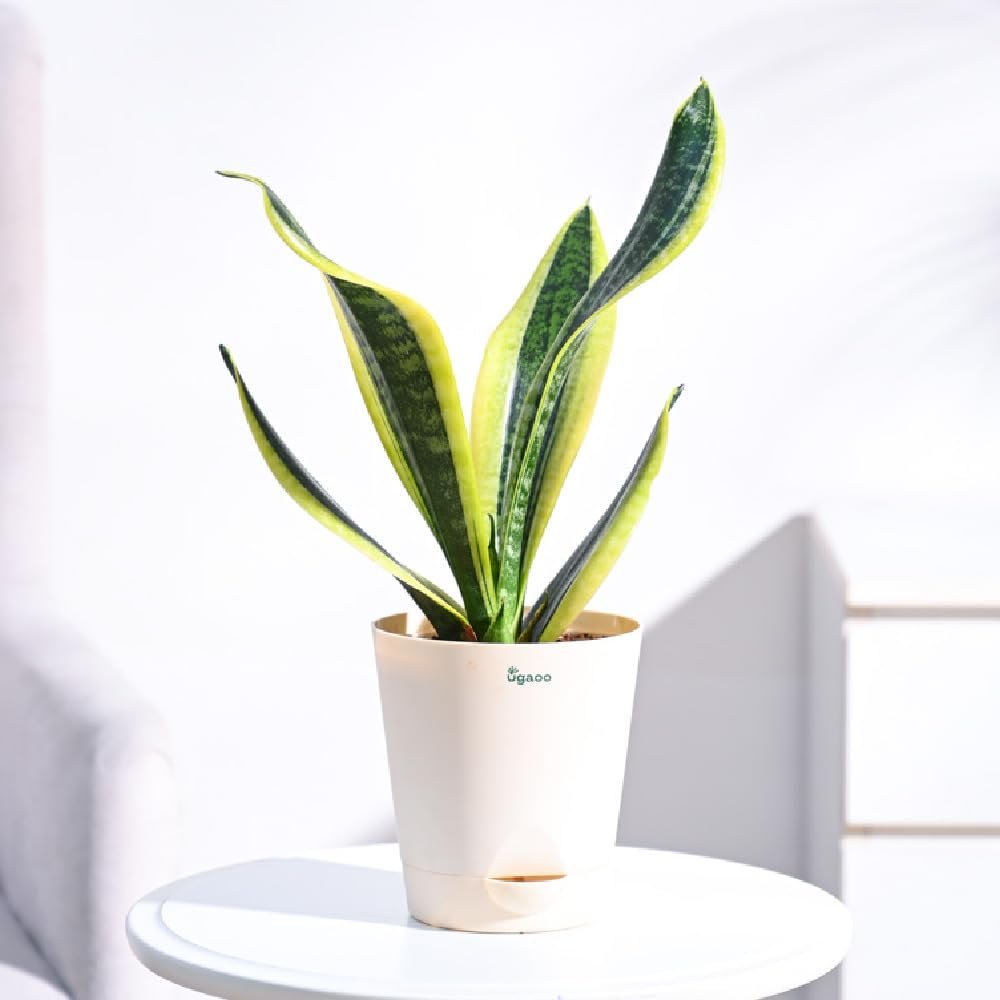
Being the top drought-tolerant, lowest-maintenance, and drawing-room-friendly plant in terms of structure, snake plant can be called the best amongst all living room plants. Especially when leaves of the plant are upright, sword-like, and strictly vertical, it becomes perfect for narrow corners, places near sofa arms, or any other locations where a plant is desired but horizontal spread isn’t. Besides low light, it also handles erratic watering (one watering in a month is enough in winter), temperature changes, and dry indoor air.
From the visual point of view, snake plant in a minimalist living room adds neat vertical lines as well as a sculptural feature that goes very well with minimalistic, modern, and Japandi interiors. The variegated types having either yellow edges or horizontal banding depict indescribable beauty whilst at the same time retaining architectural quality.
- Light: anything from very low indirect light to bright indirect. One of the most light-tolerant plants available.
- Water: once every 2–6 weeks depending on season. Overwatering is the only way to kill it.
- Best placement: corner, beside a sofa, flanking a fireplace
- Growth: very slow — a snake plant bought at a certain size stays approximately that size for years
Plant 4: ZZ Plant (Zamioculcas zamiifolia) — The Forgotten Corner Solution
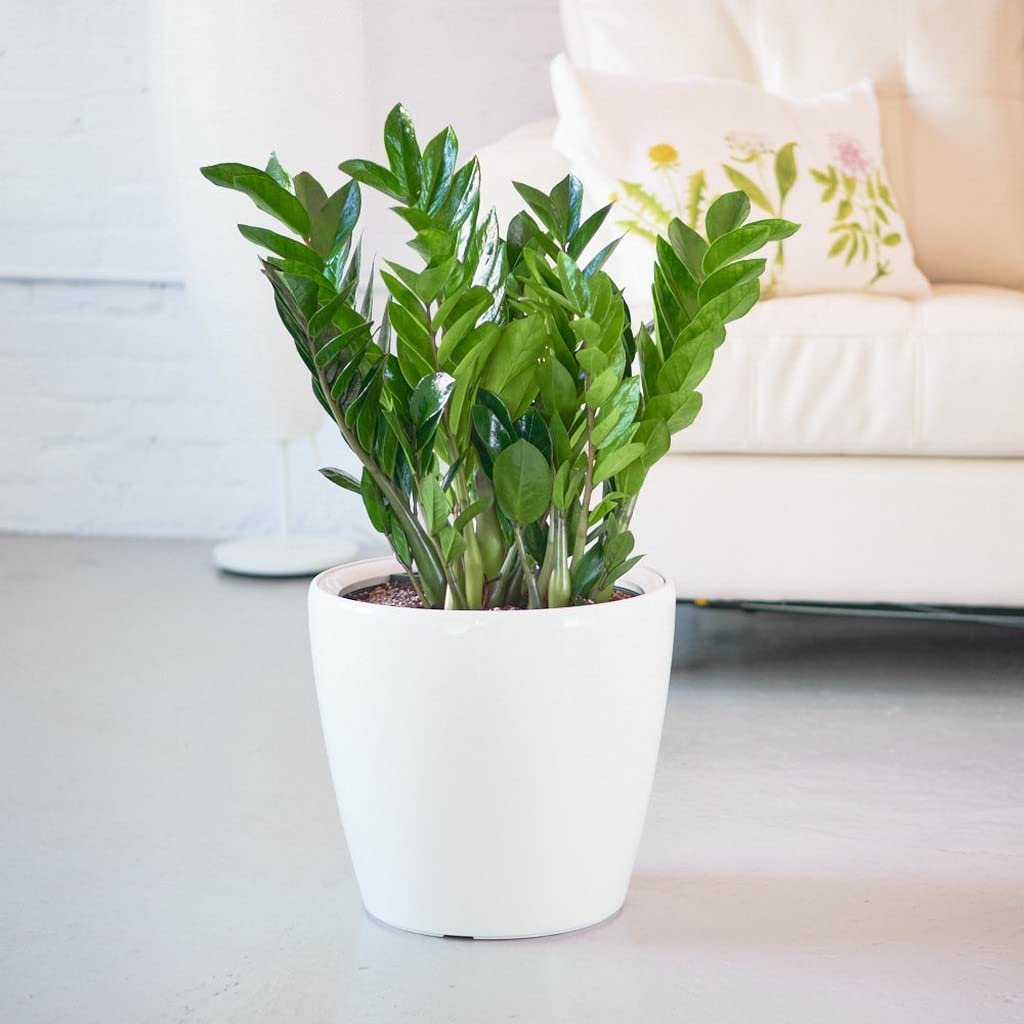
The ZZ plant is by far the best plant choice for living room corners that are almost completely deprived of natural light. Its rhizomes (underground structures) serve as water reservoirs, which makes it incredibly resistant to drought conditions – even a month’s watering omission will not typically harm it. The gleaming, dark green leaves make for a rich and glossy tropical look that is completely at odds with the plant’s hardiness.
Besides, ZZ plant grows slowly and remains relatively small, hardly ever going over 60–90 cm in height, which means that it is also perfect for small rooms. The color of its leaves, a very dark, glossy green, provides a nice contrast with both pale neutral walls and darker coloured feature walls.
- Light: very low indirect light to medium indirect. One of the most shade-tolerant plants available.
- Water: once every 3–4 weeks in growing season, monthly or less in winter.
- Best placement: dark corners, shelves away from windows, rooms with north-facing windows
- Note: ZZ plant is toxic to pets and young children — choose a position accordingly
Plant 5: Peace Lily (Spathiphyllum) — The Communicative Plant
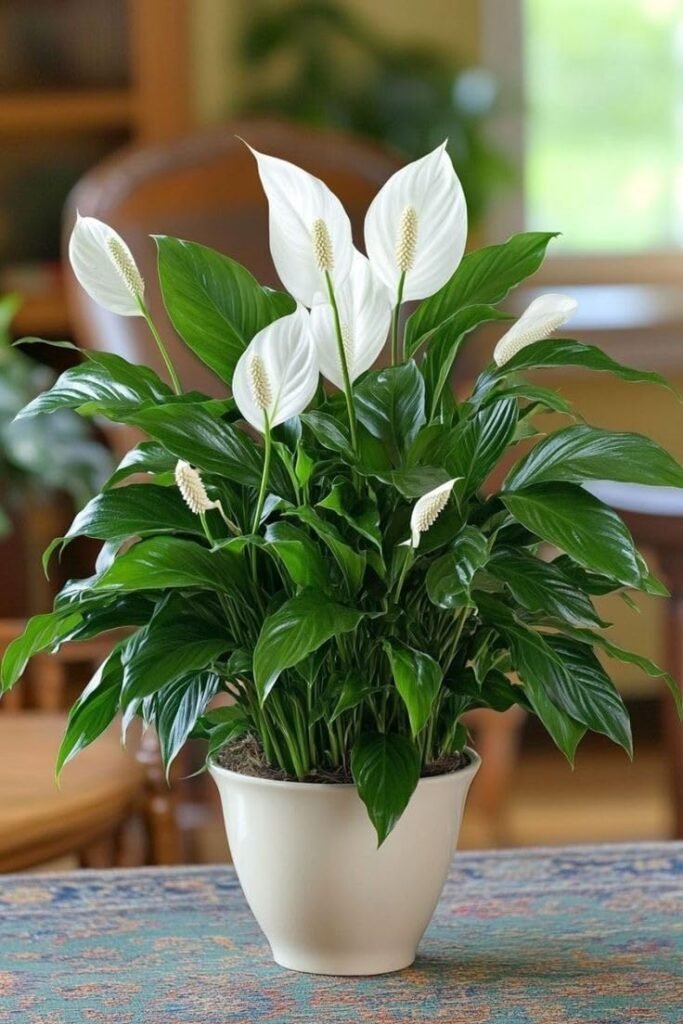
Peace Lily Plant For Living Room
The peace lily is one of the few flowering houseplants that tolerates low light, making it a versatile choice for living rooms with limited natural light. Its elegant white flowers appear reliably in spring and sometimes again in autumn. Most usefully for plant beginners, the peace lily communicates its water needs clearly — when it needs water, its leaves visibly droop; water it, and within hours it recovers completely.
This direct communication takes away the uncertainty of watering time that causes most houseplant deaths. Peace lilies like their soil to be kept fairly moist at all times but can bounce back completely after a short time of being forgotten.
- Light: low to medium indirect. Flowers best in brighter indirect light but tolerates shade well.
- Water: when leaves begin to droop slightly. Prefers consistently moist but not waterlogged soil.
- Best placement: away from direct sun, in a position visible enough that the droop signal is noticed
- Note: toxic to pets — choose placement accordingly
Plant 6: Rubber Plant (Ficus elastica) — The Dramatic Statement
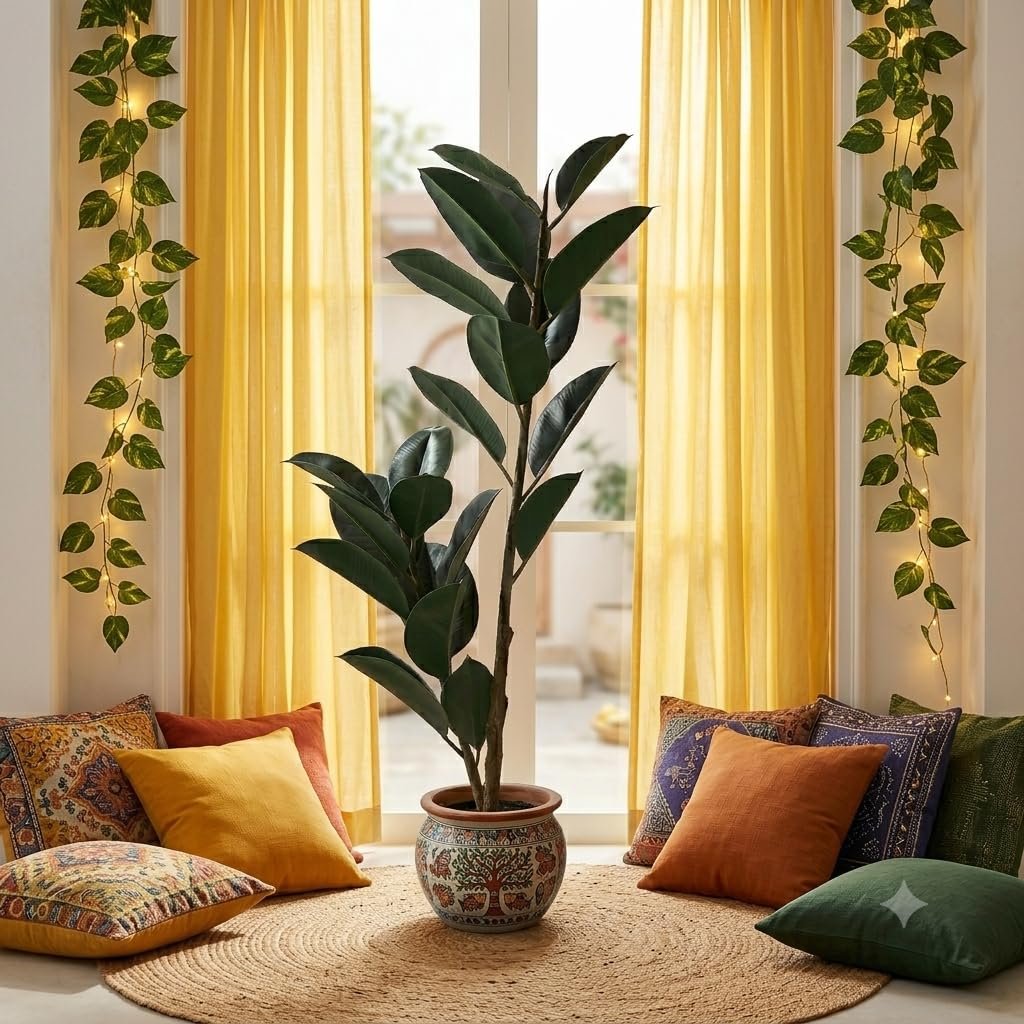
The rubber plant offers monstera-level drama with considerably lower maintenance demands. Its large, glossy leaves in deep green, burgundy, or variegated pink-and-cream come in large individual format rather than the complex, fenestrated structure of monstera leaves. A mature rubber plant at 1.5–2 metres height is one of the most striking statement plants for a living room.
Rubber plants ideally get bright, indirect light and regular watering when they are actively growing. However, they can handle a lower light environment and occasional missed watering a little better than a lot of other highly visual plants.
- Light: bright to medium indirect. Can tolerate lower light but loses vigour and leaf colour.
- Water: when the top 2–3cm of soil is dry. Reduce watering in winter.
- Best placement: bright corner, beside a window, as a room-dividing statement piece
Plant 7: Spider Plant (Chlorophytum comosum) — The Forgiving Classic
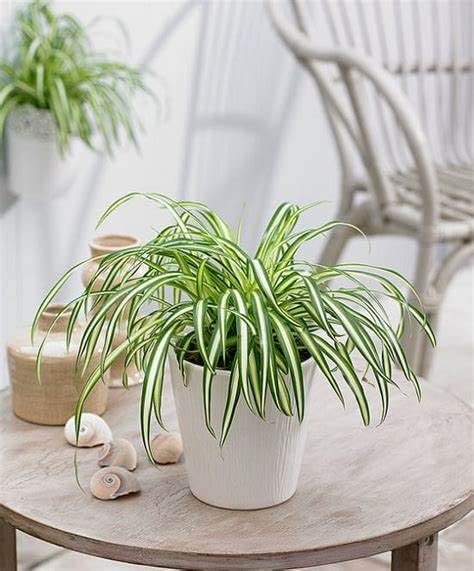
The spider plant is one of the most adaptable and most thoroughly tested houseplants available — it has been a domestic indoor plant for over a century for good reason. It tolerates almost any light condition, recovers quickly from drought, and produces cascading ‘babies’ (small plantlets on long arching stems) that can be propagated endlessly.
Spider plants in a living room are best displayed hanging so that the little plantlets can dangle and trail freely. When put on a high shelf or in a hanging basket, the fall of light green and white variegated leaves offers a vibrant and fresh visual appeal.
- Light: anything from low indirect to bright indirect. Direct sun bleaches the variegation.
- Water: when the top 2cm of soil is dry. Very tolerant of irregular watering.
- Best placement: hanging basket, high shelf, macramé hanger near a window
Plant 8: Fiddle-Leaf Fig (Ficus lyrata) — If You Are Ready for the Commitment
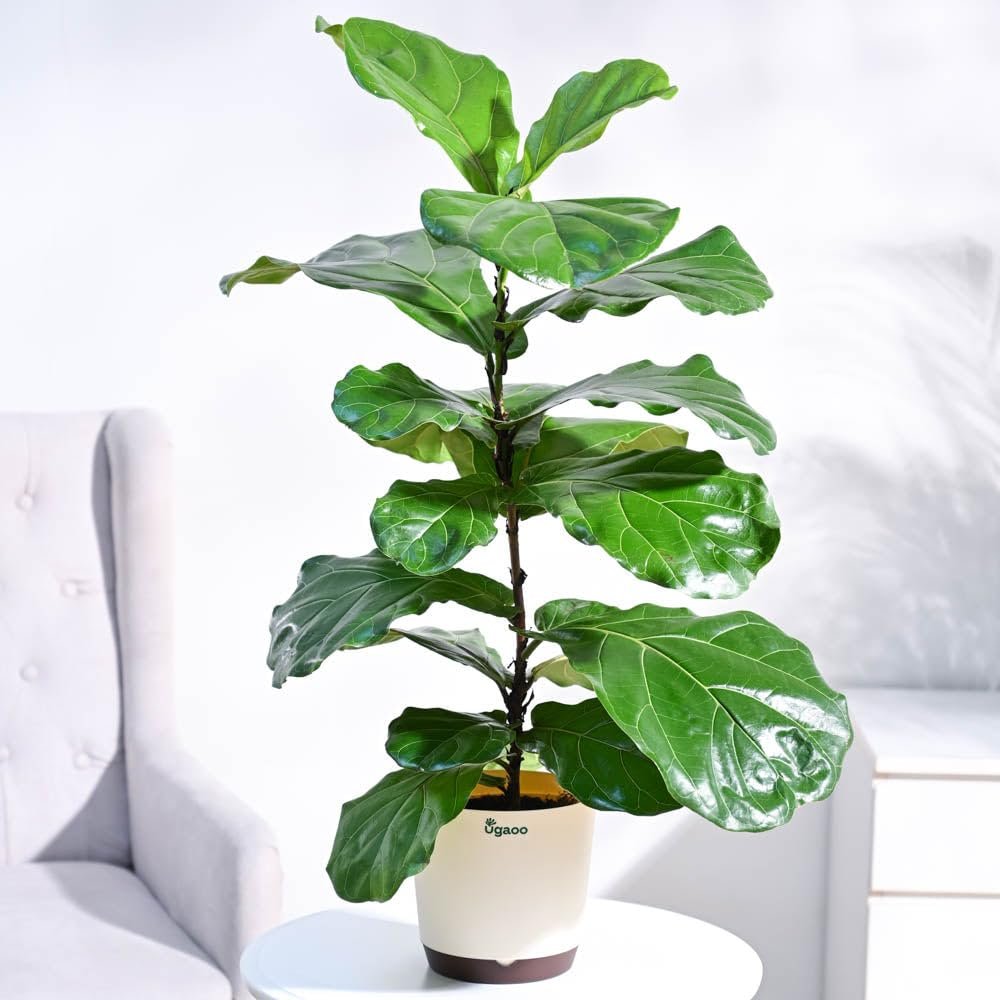
Fiddle-Leaf Fig For Living Room
The fiddle-leaf fig is the most photographed, most aspirational, and most frequently featured indoor plant in interior design content — and also one of the most demanding. It merits inclusion here with full honesty about its requirements: it hates being moved once positioned, drops leaves at changes in temperature or drafts, requires very bright indirect light, and does not tolerate overwatering. It will punish any inconsistency.
For living rooms with bright, consistent, draft-free indirect light — typically a south or east-facing room away from heating vents and exterior doors — and an owner prepared to leave it undisturbed once established, the fiddle-leaf fig’s large, paddle-shaped leaves are incomparably beautiful. It is the statement plant that rewards patience and consistency most dramatically.
- Light: very bright indirect light, consistent and unchanging. Not suitable for north-facing rooms.
- Water: when the top 2–3cm of soil is dry, consistently. Very sensitive to overwatering.
- Placement: choose its spot carefully before buying and do not move it once established
⚠ WATCH OUT: Do not buy a fiddle-leaf fig if your living room has a north-facing window, cold drafts near the front door, or inconsistent central heating. It will decline. Choose a rubber plant, ZZ plant, or monstera instead — all achieve comparable visual drama with far greater tolerance.
Plant 9: Bird of Paradise (Strelitzia reginae/nicolai) — The Tropical Grand Statement
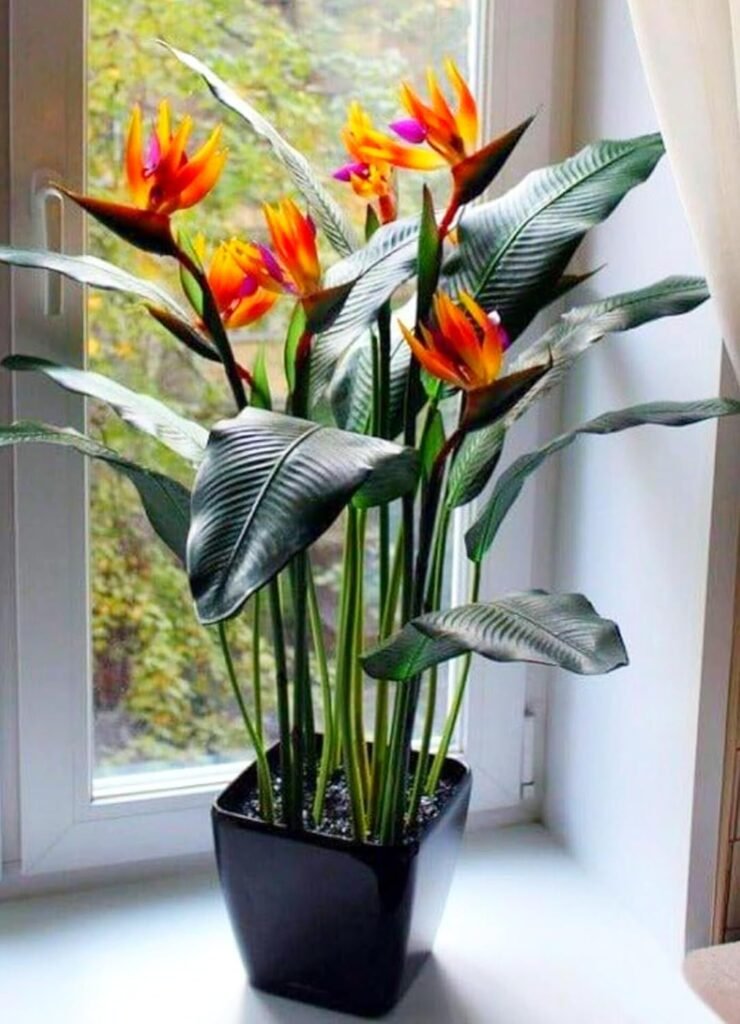
Bird of Paradise Plant For Living Room
For living rooms with ample natural light, the bird of paradise you hardly see anywhere else is quite a unique and spectacular display plant. Its vast, paddle-like foliage on tall, erect stalks gives a tropical, architectural appearance which is sure to attract the attention of anybody in the room. Upon attaining complete growth, it can cover the entire height of the room and will be 1.5–2 metres diameter in size.
Bird of paradise is a plant that needs bright light and regular watering when it is growing, however, it is able to survive dry spells and is much less sensitive to drafts and temperature changes than fiddle-leaf fig. The Strelitzia nicolai (white bird of paradise) is bigger and more eye-catching; whereas Strelitzia reginae is smaller and produces the characteristic orange-and-blue bird-of-paradise flower.
- Light: bright to very bright indirect light. Direct morning sun is tolerated and beneficial.
- Water: when top 2–3cm of soil is dry. Reduce in winter.
- Best placement: corner with maximum light, where it has space to spread to its full size
Plant 10: Aloe Vera — The Useful Succulent
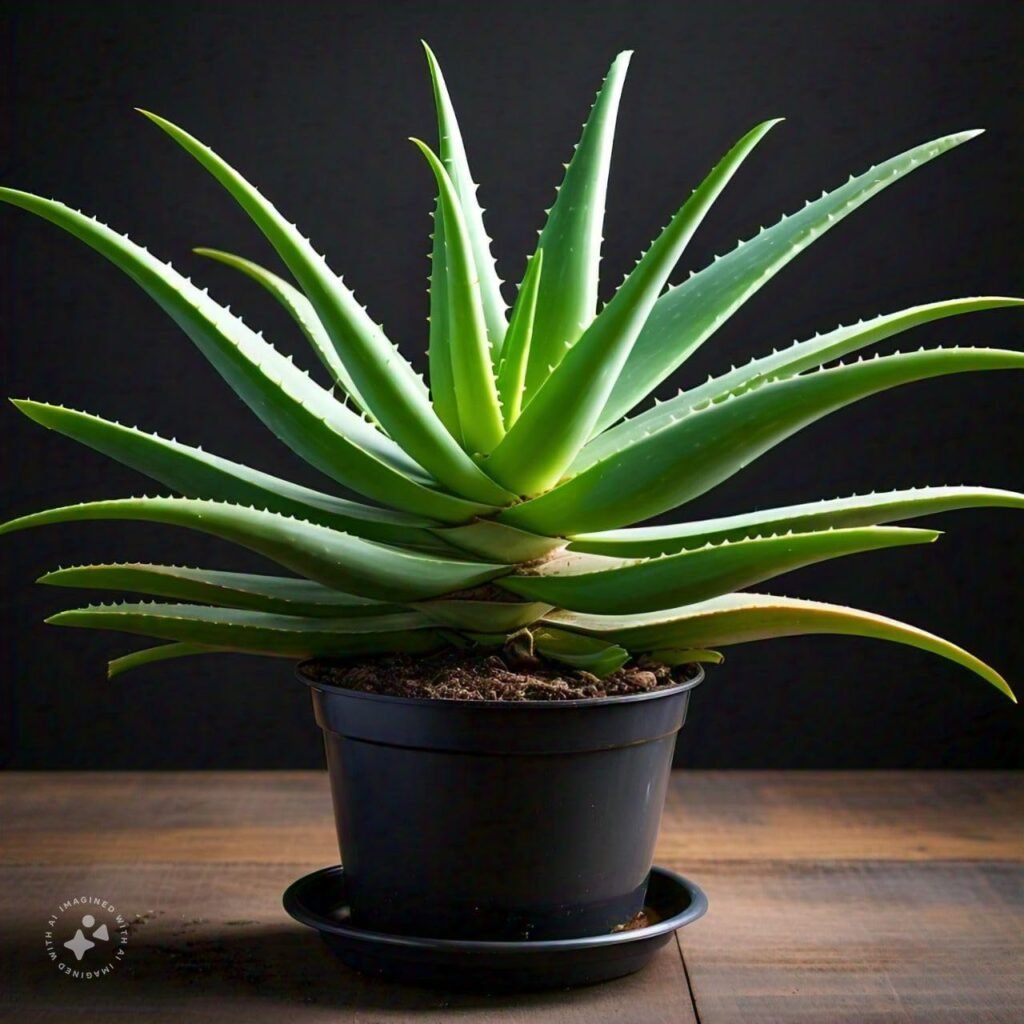
Aloe Vera Plant For Living Room
Aloe vera is the easiest plant to grow sunning on a living room windowsill or side table. It hardly ever needs a watering, can tolerate being left alone for several weeks, loves direct and bright indirect sunlight. Also, its gel is a ready-made first aid for minor burning and skin irritations.
Going by appearance, a healthy aloe vera in a warm terracotta planter has a brickwork, spiky shape granting you a very interesting texture and contrast to soft-leafed plants. Especially, the natural woody look of the aloe vera makes it the perfect plant for a boho, farmhouse or Mediterranean-style living room area.
- Light: direct to bright indirect sun. Ideal for a sunny windowsill.
- Water: once every 3–4 weeks. Overwatering is its only real weakness.
- Best placement: sunny windowsill, side table near a south or west-facing window
How to Style Plants in a Living Room
- The rule of scale: one large plant (1 metre+) makes more impact than six small plants. Start with the large statement plant in the corner and add smaller trailing plants on shelves second.
- The rule of grouping: plants grouped together look more intentional and more designed than isolated individual plants. A cluster of three different plants at varying heights in the same corner creates a micro-ecosystem that looks alive.
- The pot matters: even the most gorgeous plants will appear neglected if they are placed in an ugly plastic rooter’s pot. Changing to a ceramic, terracotta, or woven basket pot are among the most cost-efficient manner of making a drastic difference for your indoor plants.
- The rule of elevation: placing plants at different heights — one on the floor, one on a plant stand, one on a shelf — creates vertical interest and makes the room feel fuller without adding floor-level clutter.
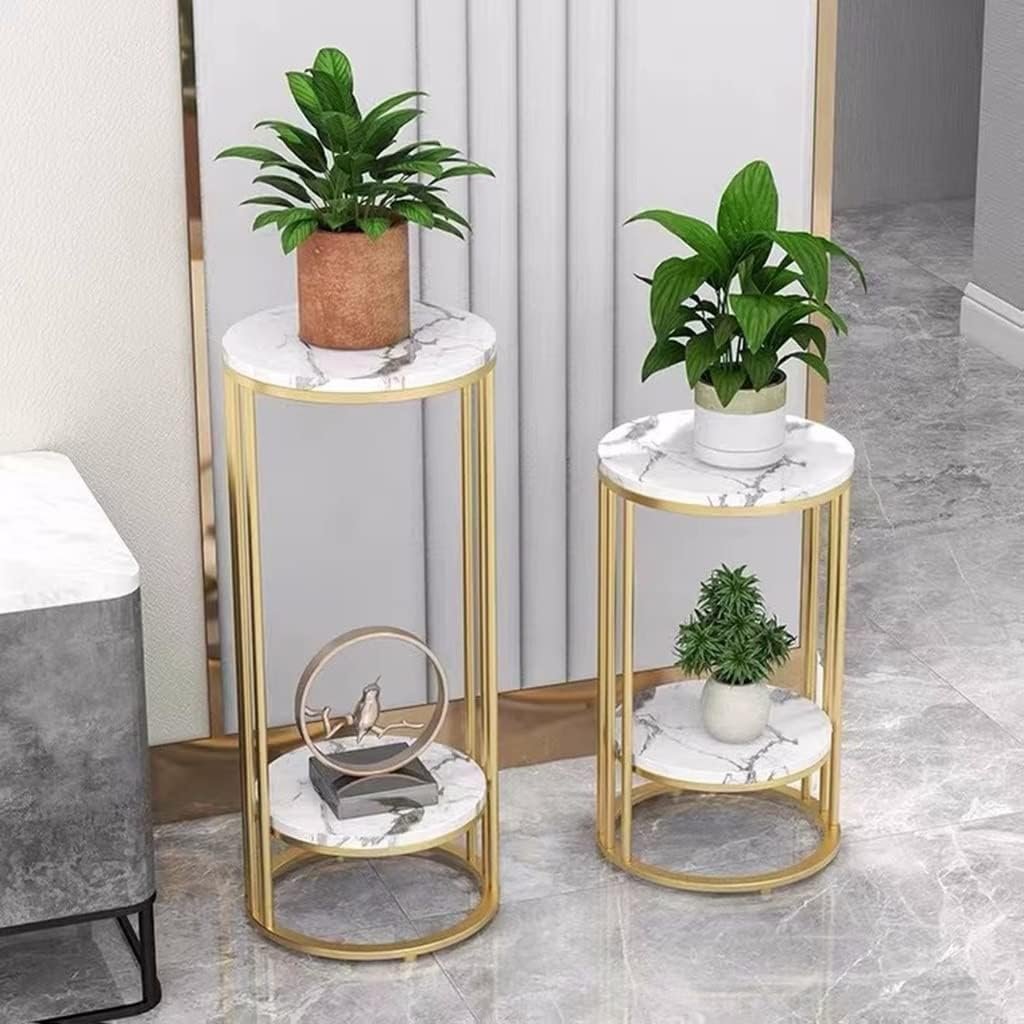
Plant Stand Tiered Indoor Living Room
Common Plant Mistakes and How to Avoid Them
- Overwatering: the most common cause of houseplant death. Most living room plants prefer to be a bit dry between Always check the soil before watering — if the top 2–3cm is still moist, do not water.
- Too little light: placing low-light plants in positions described as ‘low light’ often means genuinely very little light. Most plants need more light than the average interior provides — positions close to windows, even if not receiving direct sun, are almost always better.
- Wrong pot size: plants in pots that are unnecessarily large (with more than 2-3cm of soil surrounding the root ball) aren’t just vulnerable to root rot; it’s basically guaranteed as the extra soil keeps the roots wet for an extended period. It is best to get a pot that matches the plant size very
- Keeping the nursery plastic pot: the standard black plastic nursery pot is not a planting vessel — it is temporary transport packaging. Repot into a proper pot with drainage holes within a few weeks of purchase.
Final Thoughts — The Living Room Category Complete
Plants are the final living element of a well-designed living room, also using the plants to build the boho aesthetic — the element that connects all the carefully chosen furniture, textiles, and lighting to the living world outside. A room with the right plant in the right position, styling plants within a console table arrangement, at the right scale, in a beautiful pot feels different from a room withouin a way that is immediately felt but difficult to specify.
The ones in this guide have been selected plants are that ones people who can realistically have at home for the most part – ones that do not demand specialist knowledge, exact conditions, or daily attendance. Begin with a big monstera, snake plant, or pothos for indoor plants and creeper plants, mosaic plants can be used for outdoor plants and the collection can be your gradual accompaniment as your confidence increases.
Frequently Asked Questions
Q: Which indoor plants are best for a dark living room?
A: Living rooms with little sunlight (like rooms facing the north or rooms with small windows) would be best with the following plants: ZZ plant (very shade-tolerant, slow-growing, shiny dark green leaves), pothos (can survive at almost any light level, also looks great trailing), snake plant (can survive very low light, has a vertical form), and peace lily (even in low light, it will produce flowers, also the leaves will curl when it is thirsty). Monstera, fiddle-leaf fig, bird of paradise, and aloe vera should be avoided in really dark rooms – they won’t do well without good light.
Q: How often should I water living room plants?
A: It really depends on the type of plant, season, size of the pot and the temperature in the room. Still, here is a rough guide: most tropical plants such as pothos, monstera, rubber plant require watering about once a week during summer and approximately every 2 weeks in winter. Plants which are drought-tolerant like ZZ plant, snake plant, aloe vera should be watered once every 2–4 weeks during summer and monthly or less in winter. The most reliable method is checking the soil rather than following a schedule — insert a finger 2–3cm into the soil; if it feels dry, water; if still moist, wait.
Q: What is the best large plant for a living room corner?
A: Large living room corner plants that work the best are: monstera deliciosa (the most available, large leaves with natural splits, can handle medium light), rubber plant (big shiny leaves with different colors, very tolerant), bird of paradise (gives you that exotic dramatic look, requires a lot of light), and fiddle-leaf fig (the most popular one, needs lots of light and not changing the spot). All four will do great with good bright indirect light. In case your corner is quite dark, you can only go for the toughest ones – monstera or rubber plant.
Q: Are indoor plants good for a living room?
A: Yes — indoor plants benefit living rooms in multiple ways. They add organic form, colour, and the quality of aliveness that no manufactured accessory can replicate. They contribute to improved air quality by absorbing CO2 and producing oxygen (though the effect of individual plants is modest in a large room). They offer life and variability to the decor of the room that constantly evolves and extends. The presence of live plants indoors, according to psychological studies in different cultures and environments, is always linked to the enhancement of mood and the lowering of stress.
Q: How many plants should a living room have?
A: The correct quantity really depends on the size of the room, the amount of light, and how much undertaking for yourself maintenance. Of a starting framework: one large statement plant (1 metre+) in the most visible corner, one medium plant (40–70cm) on a side table or plant stand, and one or two trailing plants on shelves or in hanging positions. This gives visual variety across different heights and forms without overwhelming the room or overcommitting to a maintenance burden. Add plants gradually as confidence and care routine develop — it is far better to keep three plants thriving than ten plants struggling.