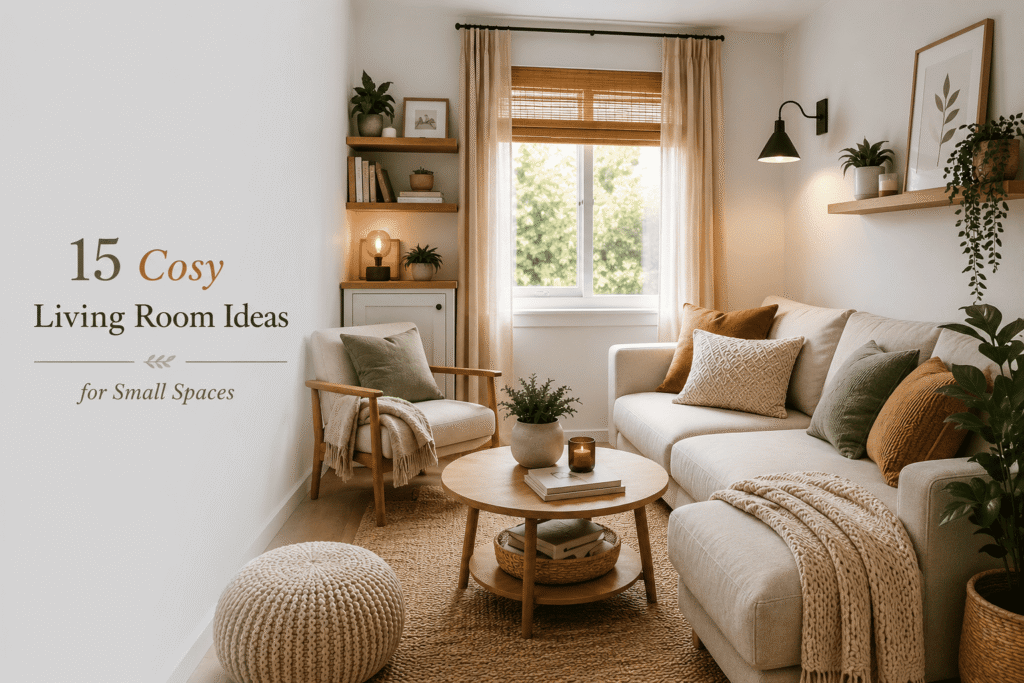
The small living room is one of the most common domestic design challenges and one of the most frequently misunderstood. The prevailing advice — use light colours, use mirrors, choose small furniture, keep it minimal — addresses the wrong problem. The goal of a small living room is not to make it appear large. Simply enlarging a small living room with decor is not the idea, the target actually is to make it so comfortable, so personal, and so inviting that one does not even think of it as small. Different aims, often different ways.
Some of the most beautiful and most liveable living rooms in the world are small. The scale creates intimacy. The compact dimensions make it easier to create warmth. A small living room, well considered, can feel like the most welcoming room in the house — the kind of room people drift into and are reluctant to leave.
These fifteen ideas touch on everything from furniture, colour, lighting, textiles, curtains, and storage to the less tangible qualities that make a room truly cosy rather than just tidy. None of them being a big redecoration project. The majority of them can be done one by one, in any order.
Idea 1: Floor-Length Curtains Hung as High as Possible
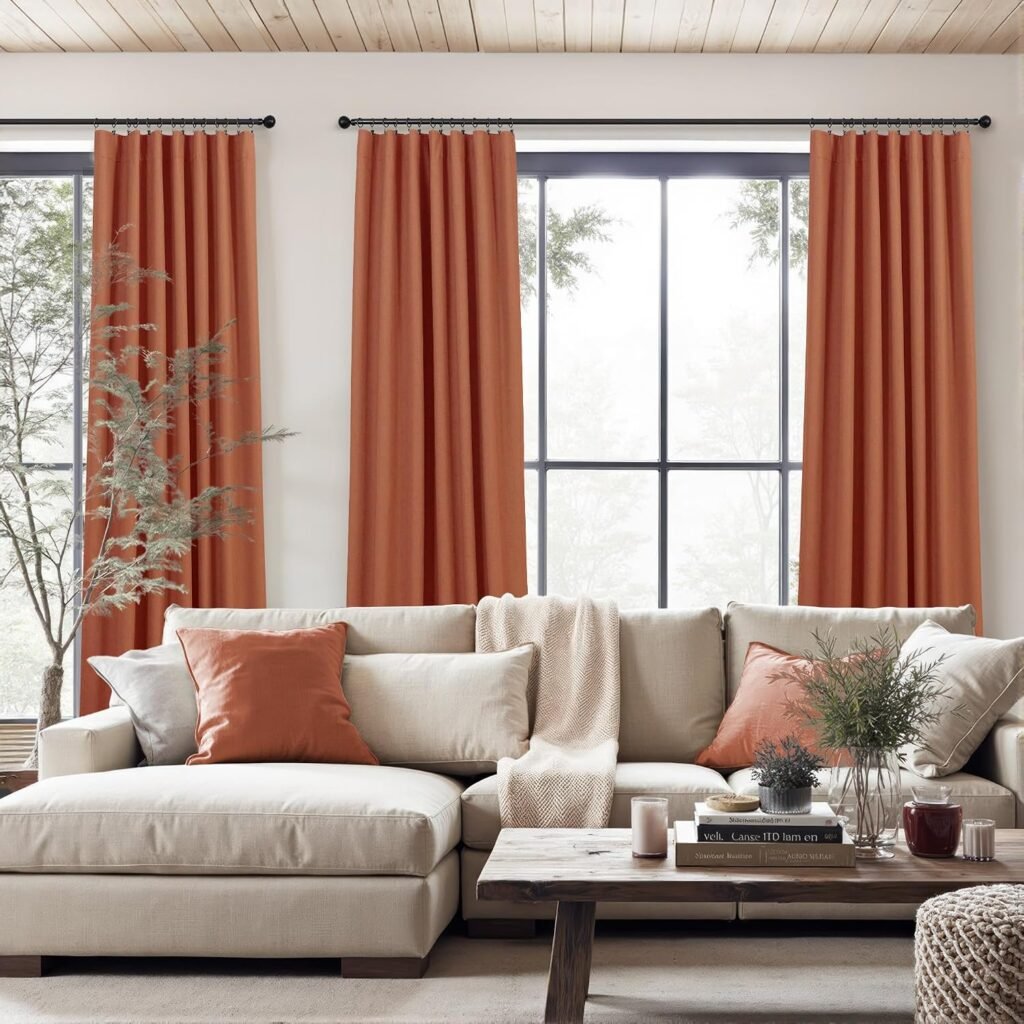
Floor length curtains for living room
Of all the changes you can make to a small living room, this one produces the most dramatic visual effect for the least financial investment. Floor-length curtains hung from a rod positioned as close to the ceiling as possible — rather than just above the window frame — transform a small room in a way that is immediately visible and immediately impressive.
The lengthy curtain panels form uninterrupted vertical lines extending from almost the ceiling down to the floor. These lines not only attract attention upwards but also give the impression that the ceiling is much higher than its actual height. Consequently, the window is perceived as a bigger one. The space also seems to be more than ample. Altogether, a room is made to look well and tastefully decorated, not one simply left to get on without any care.
The selection of the cloth strengthens this vibe. Curtains that reach the floor in a cozy, nurturing shade — dark terra cotta, warm woodland green, soothing navy, mellow rust — spread the caliber warmth that is associated with a small room changing to an intimate one rather than a small one only. Light, neutral curtains at the same height create a cleaner, brighter effect without the warmth. And warm curtain colour choices for small rooms are the best options.
- Best colours for small living room curtains: warm neutrals (oatmeal, warm cream), rich earth tones (terracotta, rust, burnt sienna), or deep jewel tones for evening warmth
- Best fabric: linen for a relaxed natural feel; velvet for maximum warmth and drama
Idea 2: Choose a Sofa That Fits the Room — Not the Maximum Size That Fits
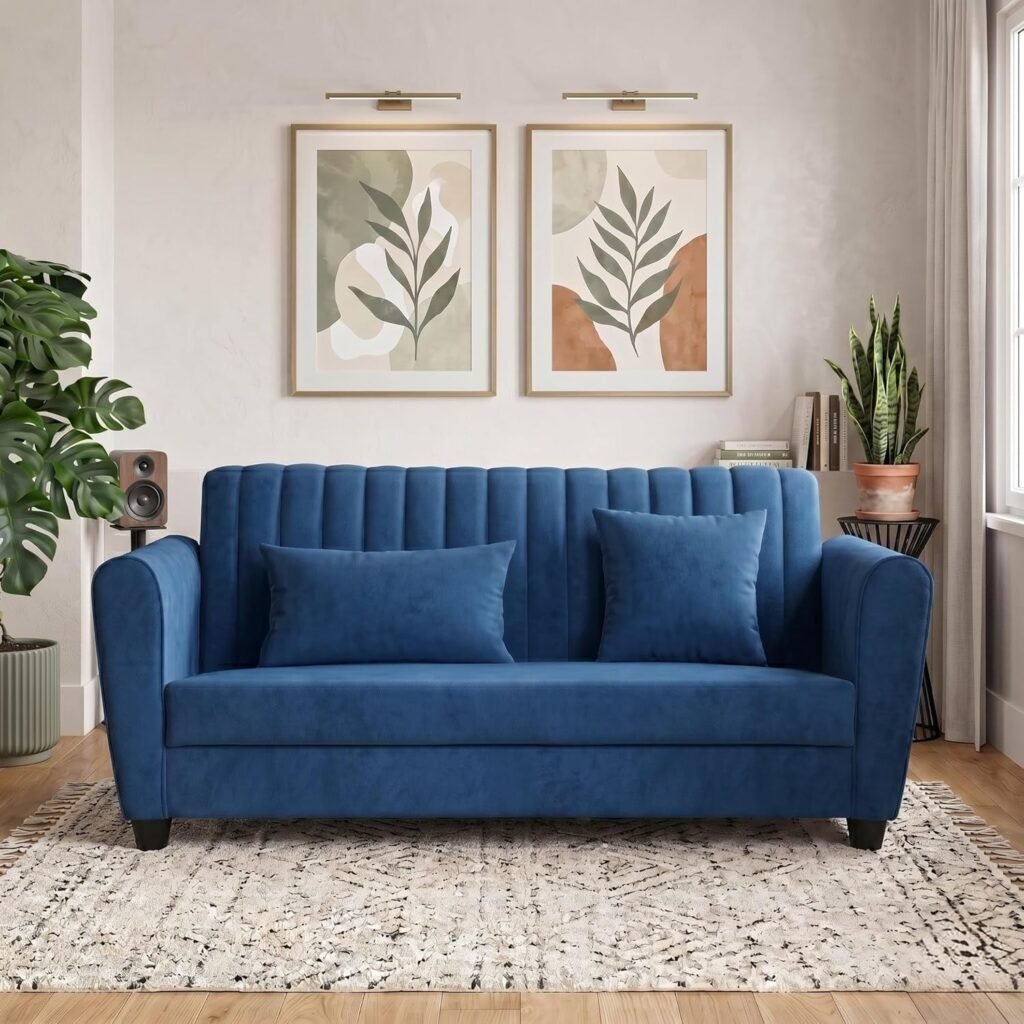
Compact 2 seater sofa small living room in velvet
The most frequent error people make when it comes to designing a small living room is to buy a sofa that is too big. This mistake is usually made because the sofas sold are in standard sizes, which don’t really take into account the real dimensions of the majority of UK, European, and apartment-style living rooms. Besides, a bigger sofa in a showroom seems to fit well with the spaciousness of a large showroom.
In a small living room, a two-seater or a compact three-seater with a shorter seat depth will create more space for other pieces of furniture, allow people to move around easily, and give the room a sense of openness that a very large sofa would take away. A carefully chosen small sofa upholstery in a nice fabric can make the whole room look well-designed and very cozy, while a big sofa in the same fabric would make the room look cramped and uncomfortable.
The key principle: the sofa should leave at least 90cm of clear floor space between it and the facing wall or furniture piece. Any less than this and the room feels cramped rather than cozy — an important distinction.
- Sofa styles that work in small living rooms: two-seater compact sofas, apartment sofas with higher legs (creates visual space under the sofa), chesterfield-style loveseats, corner sofas in L-shape (if the corner works geometrically)
Idea 3: Use Warm, Rich Wall Colours — Not Just White
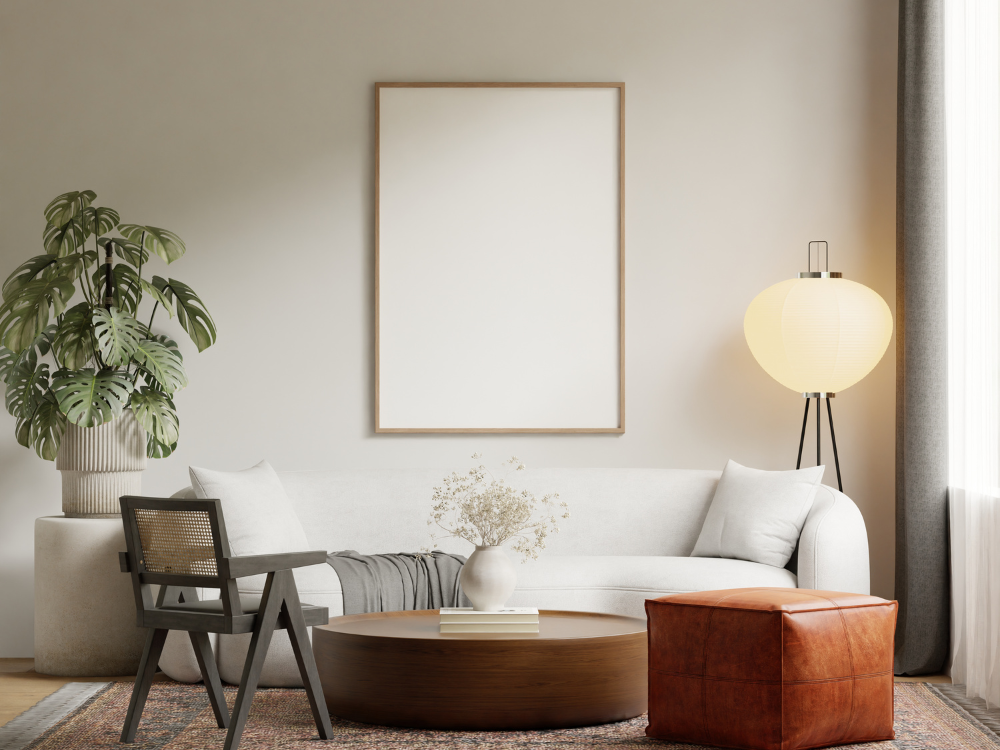
It’s a common reflex to simply whitewash a small room. White walls indeed bounce the light around and can be used to visually enlarge a cramped room. However, white walls will not add a warm and cozy feeling to the space. A small room painted in a warm, rich colour — a deep terracotta, a warm sage green, a dusty rose, a rich ochre — creates an entirely different atmosphere: enveloping rather than exposed, warm rather than clinical, intimate rather than empty.
The design principle here is colour drenching — painting not just the walls but the ceiling and skirting boards in the same colour or a closely related tone. This removes the visual interruption of the ceiling line and makes the room feel complete and contained rather than bounded and small. A deep warm colour that covers every surface creates a room that people sink into rather than stand on the periphery of.
The colours that work best in small living rooms are warm-toned rather than cool. Warm white, warm stone, warm sage, deep terracotta, mustard, burnt sienna, warm navy — colours that have warmth in their base tone and create a sense of richness and enclosure.
- Colours to avoid in small living rooms: cold greys, blue-whites, stark brilliant white — all of these reflect light but read as cold and empty rather than cozy
- Colour drenching formula: walls in main colour, ceiling 20% lighter, skirting in main colour or slightly darker
✦ PRO TIP: Test paint samples on the actual walls of your small living room before committing. Small colour chip samples are completely unreliable guides to how a colour reads at full wall scale, particularly in rooms with limited natural light. Paint a minimum 30x30cm test patch and observe it at different times of day and in evening artificial light.
Idea 4: Layer Your Lighting
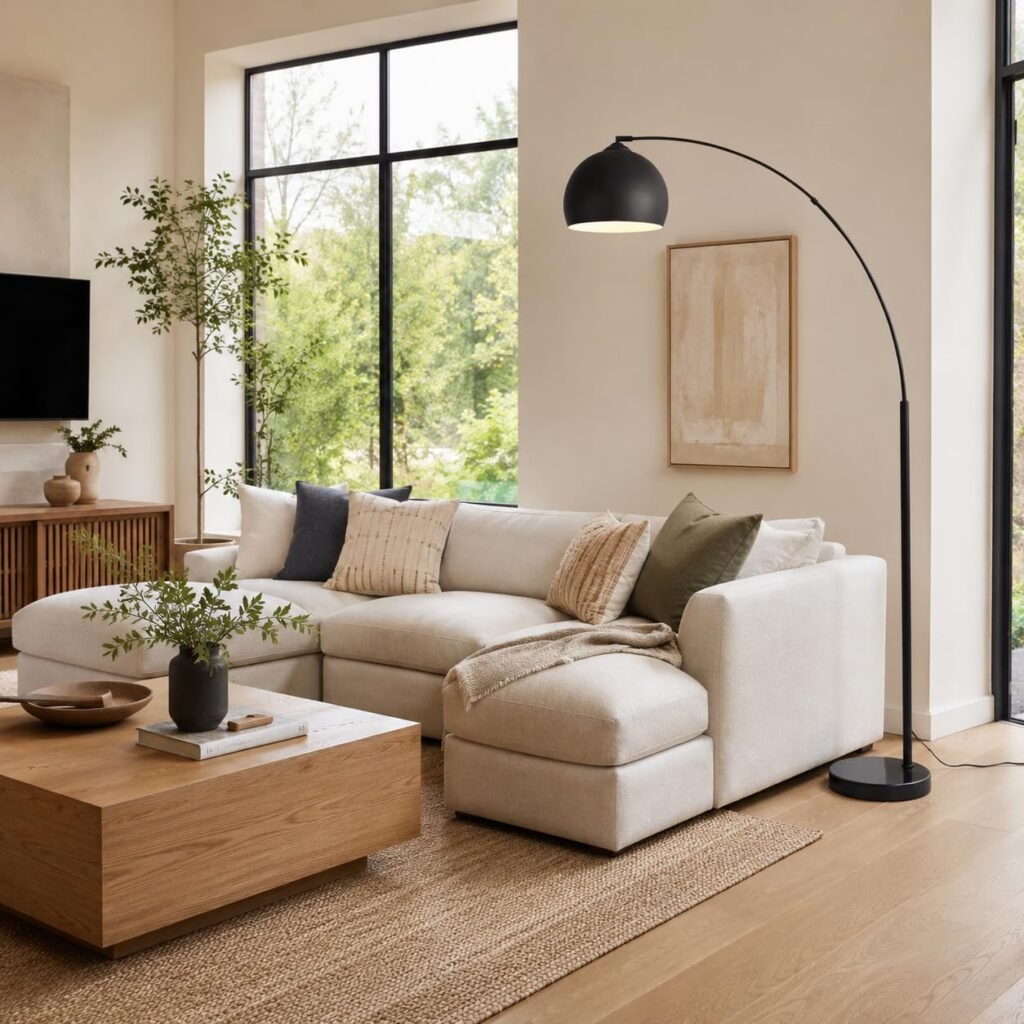
Floor lamp arc reading living room warm light
A single overhead light in a small living room is the fastest route to a space that feels bleak and uncomfortable regardless of how well everything else is done. Lighting is not merely functional in a living room — it is the single greatest determinant of atmosphere and emotional quality of the space.
“Layered lighting” means having various lighting fixtures at different levels, resulting in spots of cozy light instead of evenly lit areas. The trio to strive for is one generally illuminating source (for instance, a floor lamp with a warm light bulb), one or two highlighting sources (like table lamps on side tables or shelves), and a candle or a candle alternative for the nights when you want to achieve maximum coziness.
Colour temperature of bulbs is as important as their quantity or number of the bulbs. Warm white bulbs (2700K to 3000K colour temperature) imitate the natural, golden sunlight which gives a cozy feeling to the room. Whereas cool white or daylight bulbs (4000K and above) produce harsh light like hospital lighting that is definitely not suited for a living space used during evenings.
- Layer 1: floor lamp — positioned in a corner, cast light upward and outward. Arc floor lamps work brilliantly in small rooms as they extend the light over the sofa without occupying floor space in the centre of the room.
- Layer 2: table lamps — on side tables at sofa height, creating warm pools of light at the level where people sit.
- Layer 3: candles or battery-operated candles — for evenings when maximum warmth and intimacy is wanted.
Idea 5: Add a Rug — the Room Definer
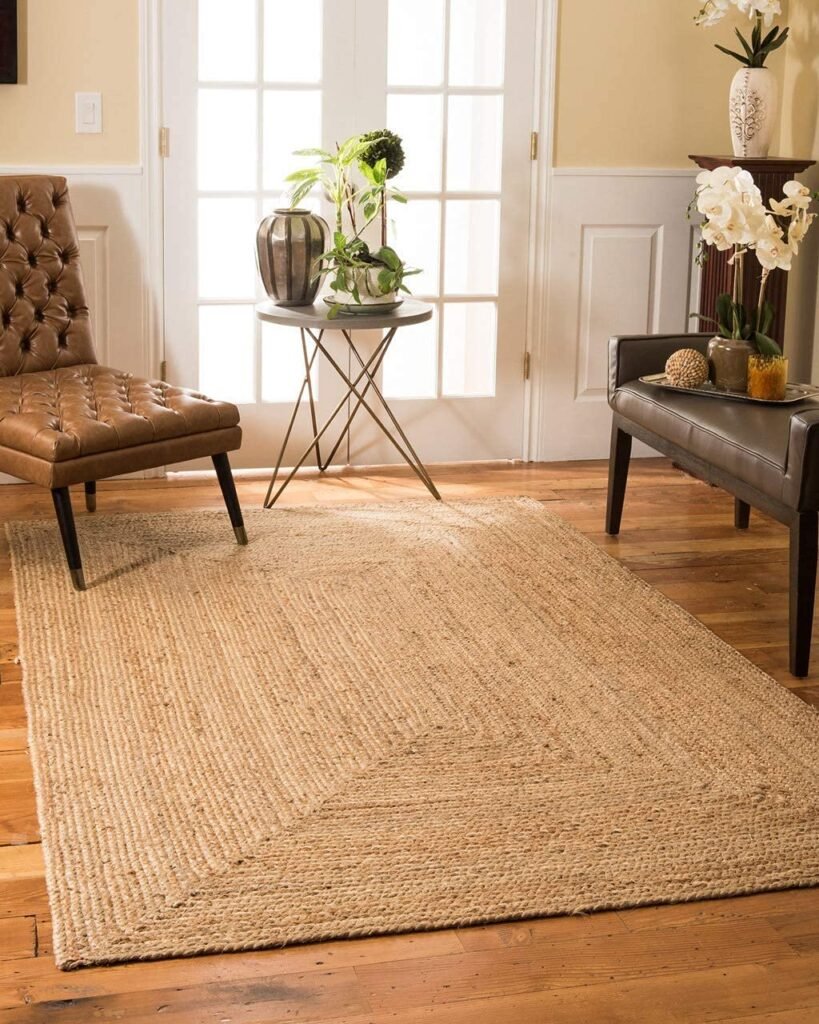
A rug in a living room does several things simultaneously: it defines the seating area as a distinct zone within the room, it adds warmth underfoot, it introduces texture and often colour, and it creates a sense of completion that a bare floor — however beautiful — does not have.
In a small living room, the rug size is critical. The most common mistake is choosing a rug that is too small — a rug that sits under just the coffee table, surrounded by a moat of bare floor, makes the room look smaller and more fragmented rather than more defined. The correct approach is a rug large enough that at least the front two legs of every piece of furniture in the seating arrangement sit on the rug.
To provide heat in a small space, rugs made of natural fibers— jute, sisal, wool—in warm shades give the deepest and most pleasant result. Warm-tinted rugs (cream, oatmeal, warm stone, terracotta, rust) along with walls of warm colors form the basis of a truly comfortable small living room.
- Rug size guide for small living rooms: at least 160x230cm for a standard two-seater sofa arrangement. Do not go smaller than this — a too-small rug is worse than no rug.
- Best rug materials for warmth: wool (warmest underfoot), jute or sisal (natural texture, earthier feel), cotton (lighter, more washable).
Idea 6: Use Vertical Space — Shelves and High Storage
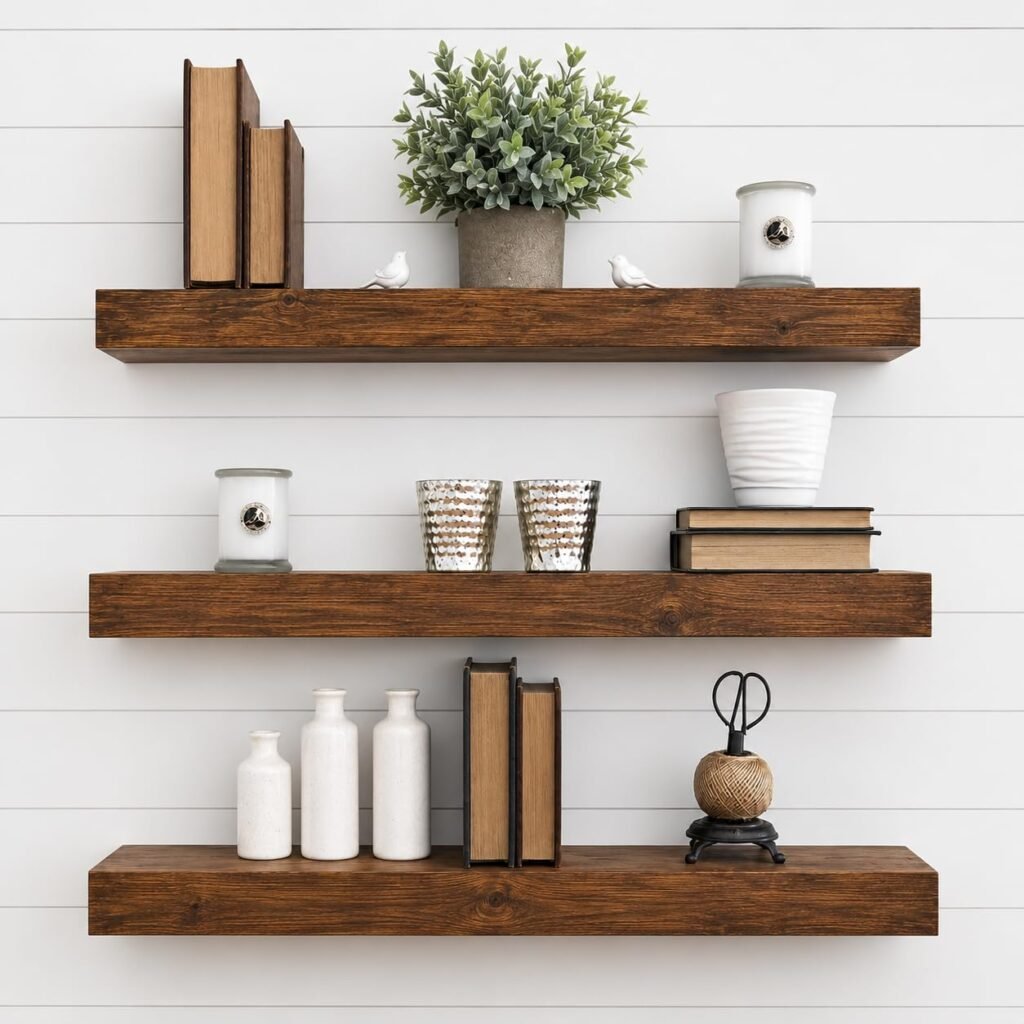
Floating wall shelves living room
Small rooms have the same wall height as large rooms. Using that vertical space actively — with shelves, with tall bookcases, with stacked artwork — both solves the storage problem that small rooms always present and draws the eye upward in a way that makes the room feel taller.
Floating shelves installed on the main wall at different levels and decorated with books, plants, candles, and a few other small items provide a neat look with visual interest that brings character to the space without taking up any floor space. A corner between a couple of walls could be used for a tall shelf unit, which is a great alternative that has a much higher storage function.
The idea is to regard walls from floor to ceiling as working surface rather than mere background. A wall wall a little higher than eye level right up to the ceiling, fully loaded with shelves, art and objects, becomes the nicely textured and layered look characteristic of rooms that are truly lived-in and personally thought about.
- What works on living room shelves: books (stacked and upright mixed), one or two small plants, candles in varying heights, small decorative objects with personal meaning, a framed photo or two
- What to avoid: too many small objects (looks cluttered rather than curated), all the same height (monotonous), nothing at all (looks unfinished).
Idea 7: Embrace Texture — Layer Textiles Generously
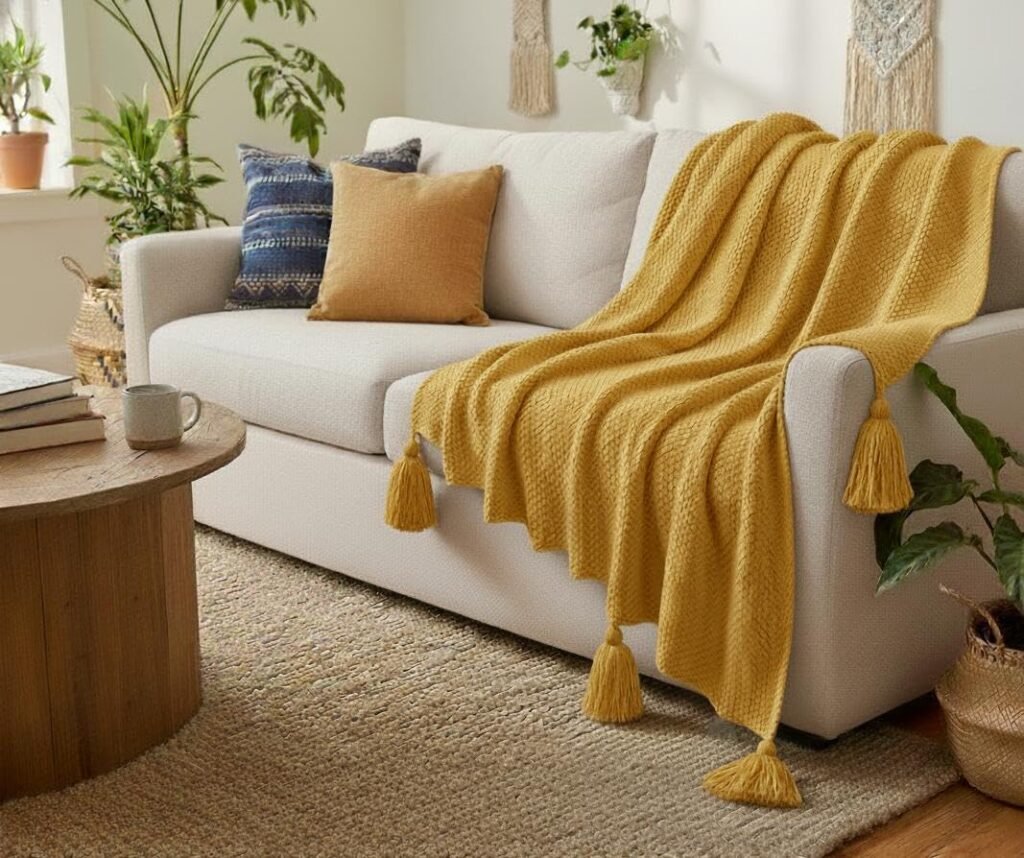
Coziness in a living room is predominantly a tactile experience. A room that looks beautiful in a photograph but has no soft surfaces, no layered textiles, and no invitation to touch is not a cozy room — it is a display room. The difference between a cozy small living room and a cold small living room is almost always textiles.
Layer textiles generously: cushions on the sofa (at least three, mixed in sizes and fabric types), a throw folded over the sofa arm or draped over the back, a soft rug underfoot, curtains in a fabric with visible texture — linen, velvet, or chunky cotton. The accumulation of soft surfaces at every point of contact with the room is what creates the feeling that the room is genuinely comfortable.
Texture variety is really just as important as quantity. A combination of velvet (smooth, light-absorbing), linen (a bit rough, natural), knit or chunky wool (warm, uneven), and cotton (clean, washable) gives a much deeper tactile experience than one single texture repeated over and over.
- Cushion formula for a small sofa: 2 larger cushions in one fabric, 2 smaller cushions in a complementary fabric, 1 bolster or different shape for variety
- Throw placement: draped casually over one sofa arm, or folded neatly across the back — never bundled in a basket (takes it out of the room entirely)
Idea 8: Mirror Placement — the Right Kind of Space Expansion
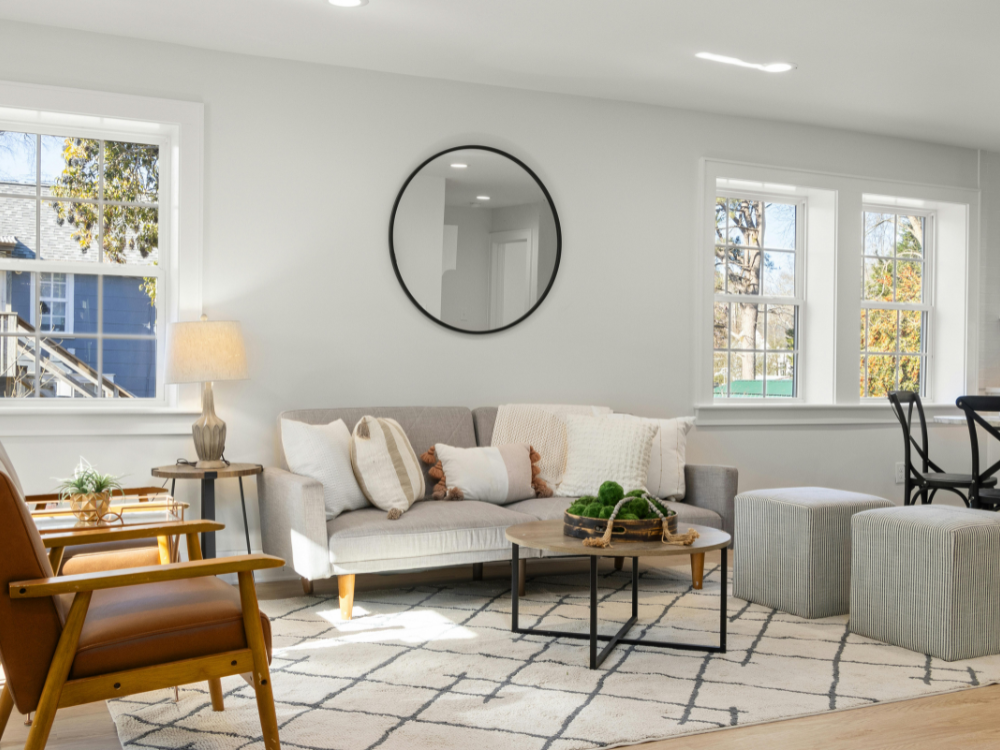
The recommendation to use mirrors in small rooms to make them look bigger is a brilliant idea but also a bit inaccurate. A mirror hung carelessly on a wall will surely reflect light and give the illusion of more space, however, it is not a fact that a mirror will make a room more welcoming or better designed. The location and the intention behind the mirror are very important.
Top mirror placements for a small living room: opposite a window (it doubles the natural light in the room), at the end of a sofa (it captures the room from a very nice angle), or leaning against a wall at floor level (it gives the feeling of depth without the need for drilling). A big mirror is almost always better than several small ones.
One huge mirror (longer than it is wide, placed so it reflects a window or a most beautiful part of the room) can really change the way you see the size of a small living room. The mirror ought to rest on or be attached to the wall a visitor sees first when coming into the room to attain the best result.
- Best mirror styles for a small living room: full-length leaning mirrors, arched mirrors in warm metal frames, large round mirrors as a statement piece
Idea 9: Introduce Plants — the Easiest Warmth Addition
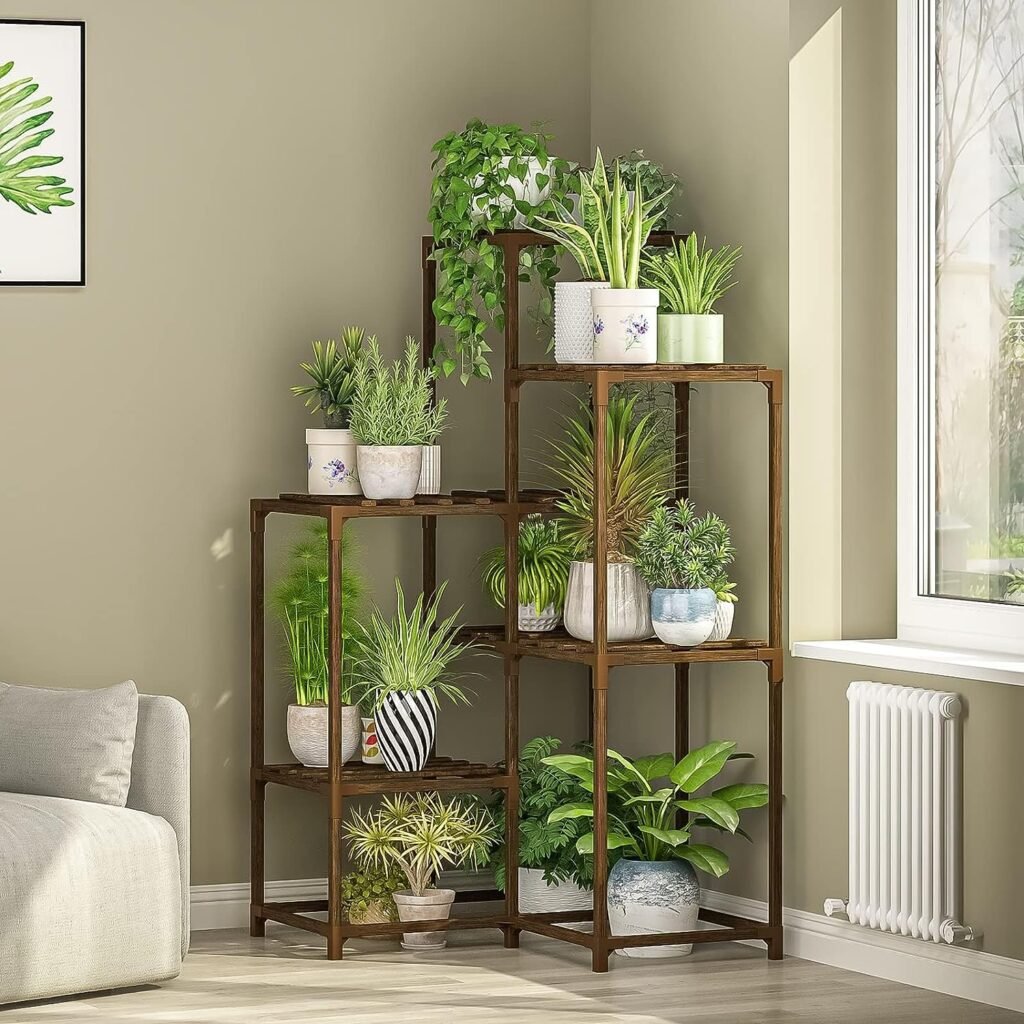
Plant pot stand living room corner
Living room plants bring something that no other piece of furniture or accessory can: the life of a thing. A tall fiddle-leaf fig in a room corner, several pothos able to hang loose on the wall, a small succulent on a side table – any of these, or even all, will refresh the space with the shape of nature, variations of natural colors and the feeling that the room is alive.
Plants are a good choice for a small living room. But if they grow vertically, plants such as a tall snake plant, a slender fiddle-leaf fig and a trailing pothos mounted high on the wall, are more practical than spreading or bushy types that will use up the floor space. One single large plant is able to visually fill one corner of the room more effectively than a number of small plants that are randomly placed around.
- Best plants for a small living room: snake plant (very easy to care for and grows up the wall), pothos (will elegantly trail down from shelves), peace lily (survives in dim conditions and purifies air), ZZ plant (nearly indestructible)
Idea 10: Warm Colour Throws — Change the Season Without Redecorating
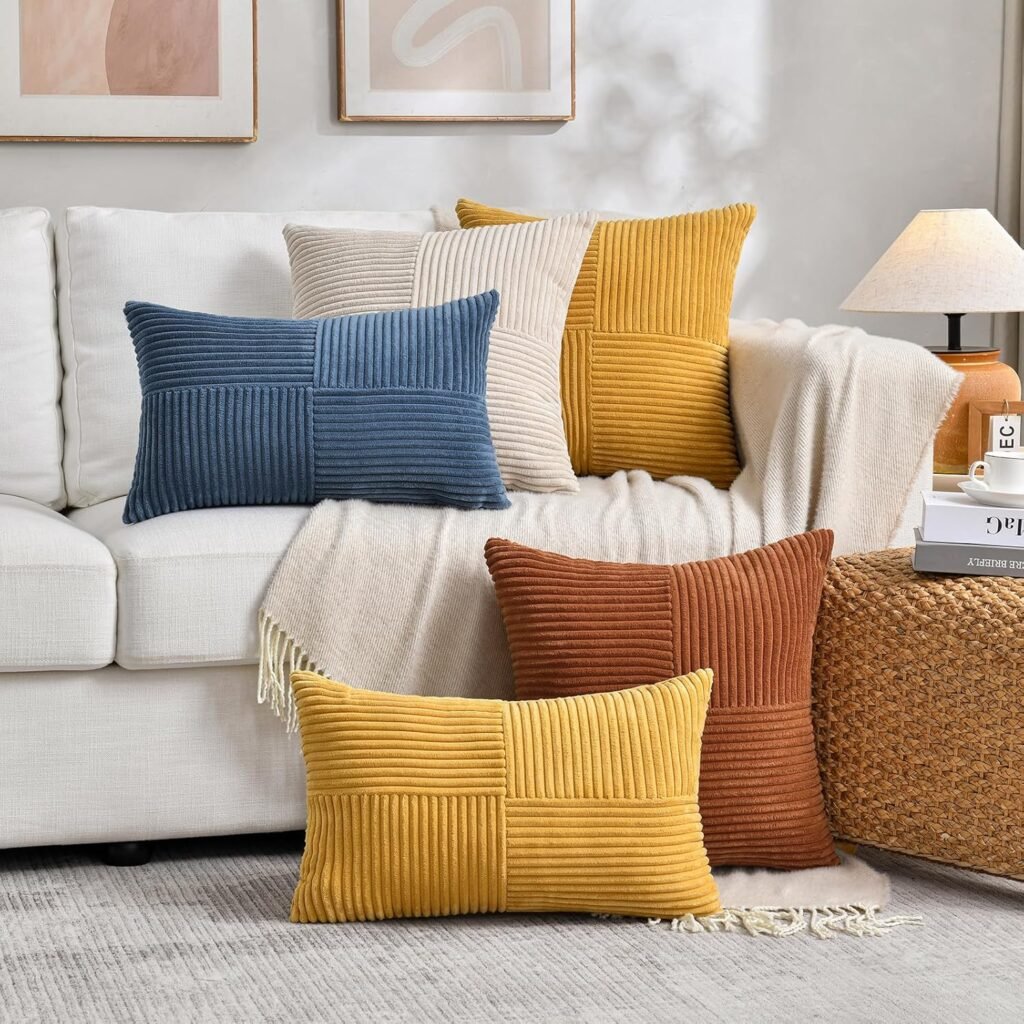
Cushion covers for warm living room
One of the easiest and cheapest ways to update the look of a small living room according to the seasons is by changing the throw and cushion covers. Autumn and winter call for warm ochre and terracotta while soft sage and warm white are great for spring and summer. The permanent parts of the room remain unchanged; it is the seasonal textiles that alter the mood completely.
This is a really good strategy for a small living room where the sofa is the largest piece in the room. Putting an ochre throw and rust cushions on a sofa makes it look completely different (and the room too) compared to the same sofa with sage cushions and a cream throw. The makeover takes less than 10 mins and a lot less money compared to any other type of decorating interventions.
Idea 11: Choose Multi-Function Furniture
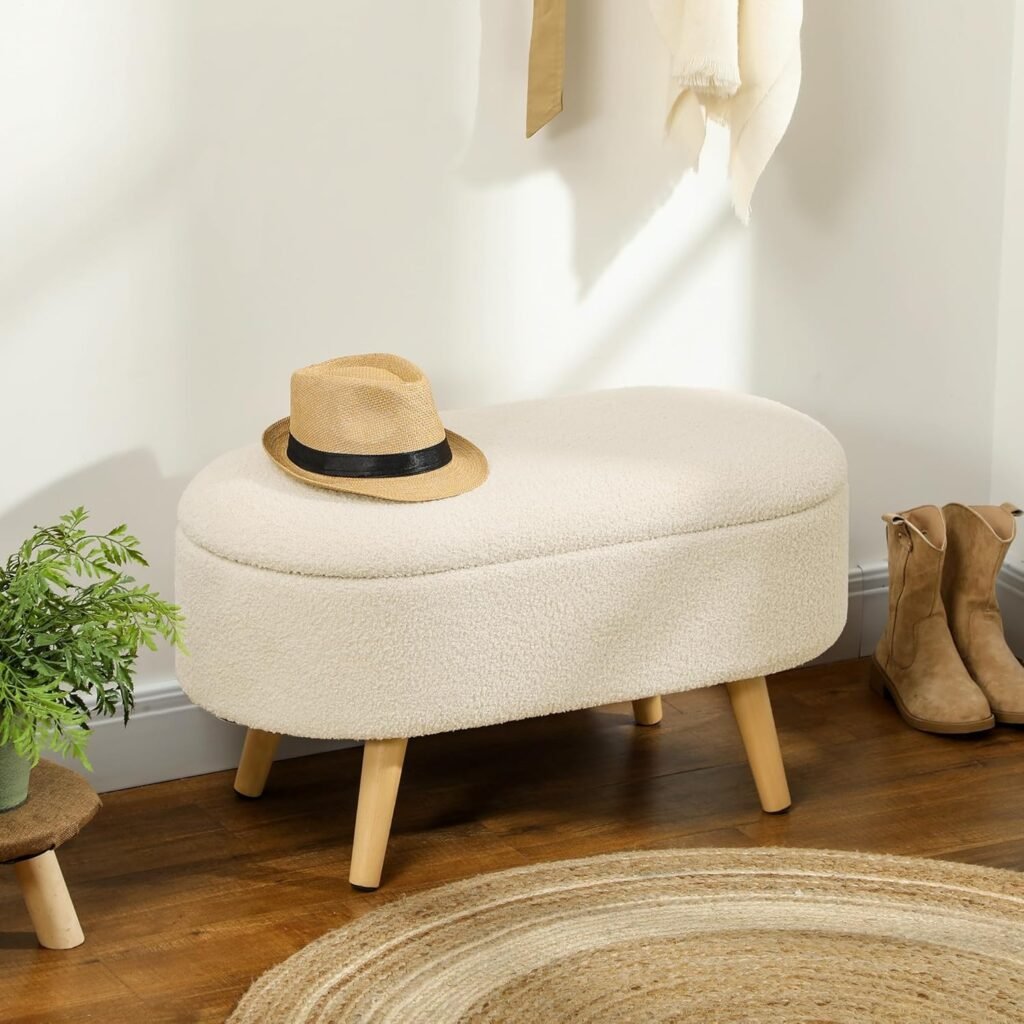
In a small living room, it would be great if each item of furniture could meet dual purposes. Think of a coffee table having shelves underneath for storing books, remotes, blankets, etc. An ottoman can be an additional seating option and open up for storage at the same time. A floor lamp that is also a side table. A console table placed behind the sofa that acts as a working surface, a display surface, and a room divider in an open-plan space.
The idea is to cut down the amount of items needed for performing the same functions. A solitary multi-function piece carefully picked can substitute two or three pieces each dedicated to one function only; this way the floor space is not only made available but it also results in fewer pieces to look at.
- Some options of superb multipurpose furniture pieces for small living rooms are: storage ottoman (works as seating + storage + coffee table), nesting tables (they take up little space when not needed, and you can get more when you want), console-desk hybrids, sofa beds if one is limited to a room that should visually function as a guest room
Idea 12: Go Darker Than You Think on One Wall
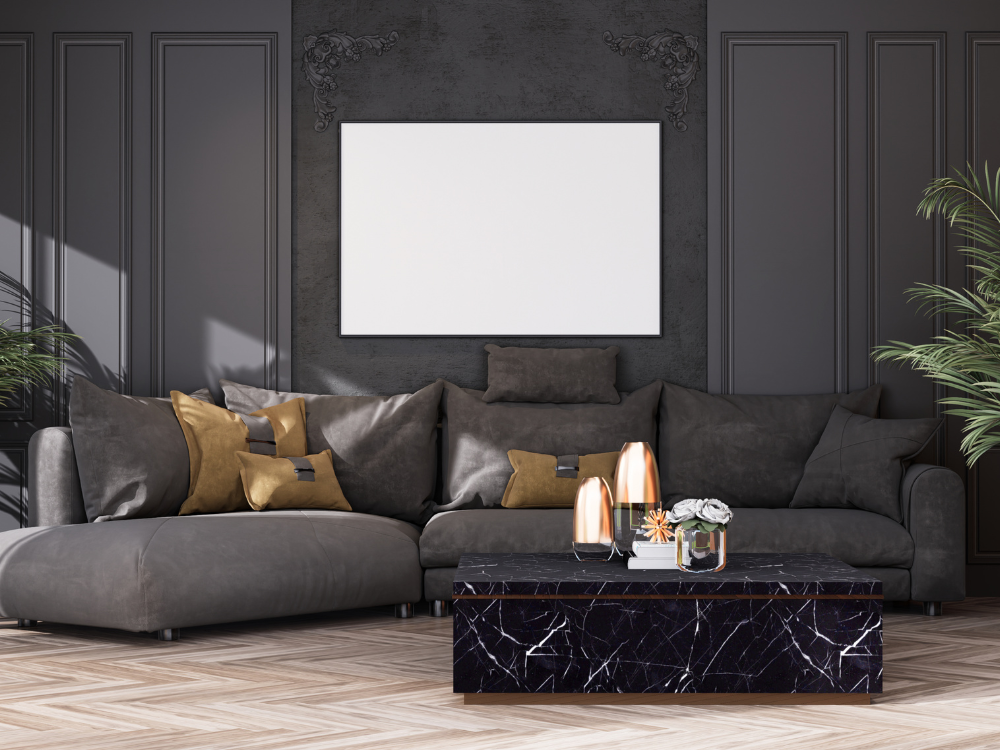
In fact, the unexpected truth about small rooms is that having one dark wall can make the room appear larger and more interesting rather than smaller and darker. A feature wall painted in a dark colour — such as midnight blue, forest green, charcoal, deep plum — becomes a focus for the eyes and adds a sense of depth to the room. The remaining three walls painted in a lighter shade of the same colour help to keep the overall look in balance.
One of the best options for choosing the location of a dark accent wall in a small living room is the wall that will greet you first when you enter the room, or the wall that is located behind the couch. Either creates immediate visual interest and gives the room a sense of intention that plain neutral walls cannot achieve.
- Dark accent wall colours that work in small living rooms: deep forest green, midnight navy, charcoal grey, rich plum, deep teal — all warm-toned rather than cold
Idea 13: Keep the Floor Clear
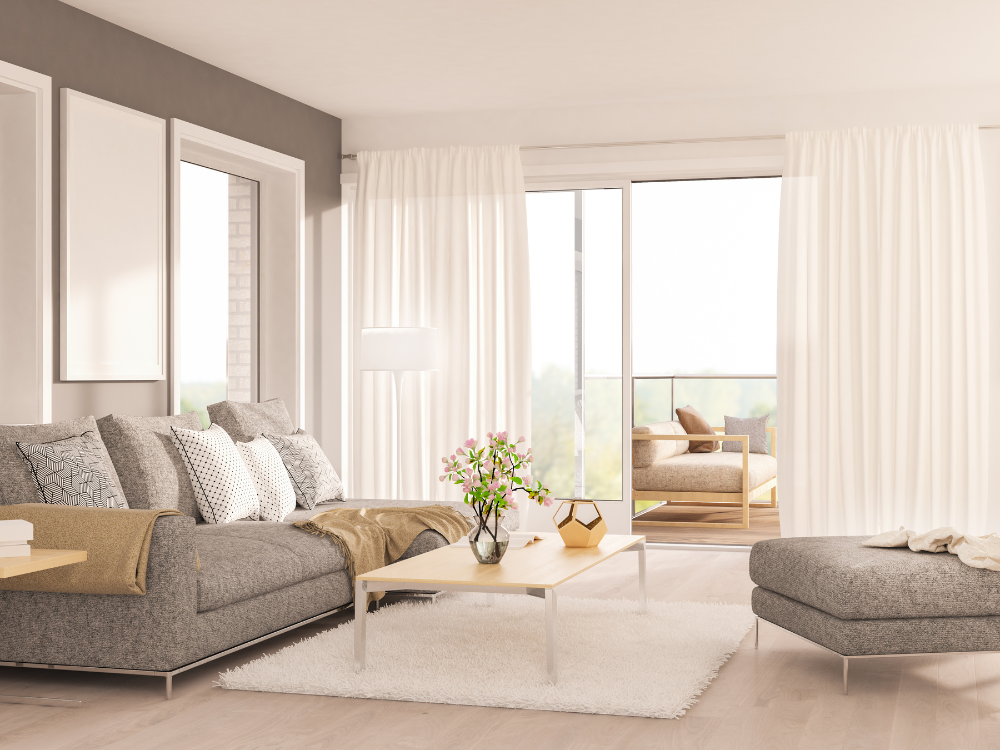
In a small living room, the pattern complexity of the floor directly influences the perception of the room being cramped. A floor littered with furniture legs, trailing lamp cords, stacked books, bags, and stray objects gives a much smaller impression than the same floor cleared to reveal the surface.
Opt for items of furniture with legs rather than those that rest straight on the floor – sofas and chairs with legs showing reveal more floor and give a lighter visual weight. Try to keep cords out of sight and well-organized. Prefer one rug to several layered rugs. Besides furniture and the rug, make the floor clear of all items, and you will instantly experience the room to be 20% bigger.
Idea 14: Add Personal Objects — Cosiness Is Personality
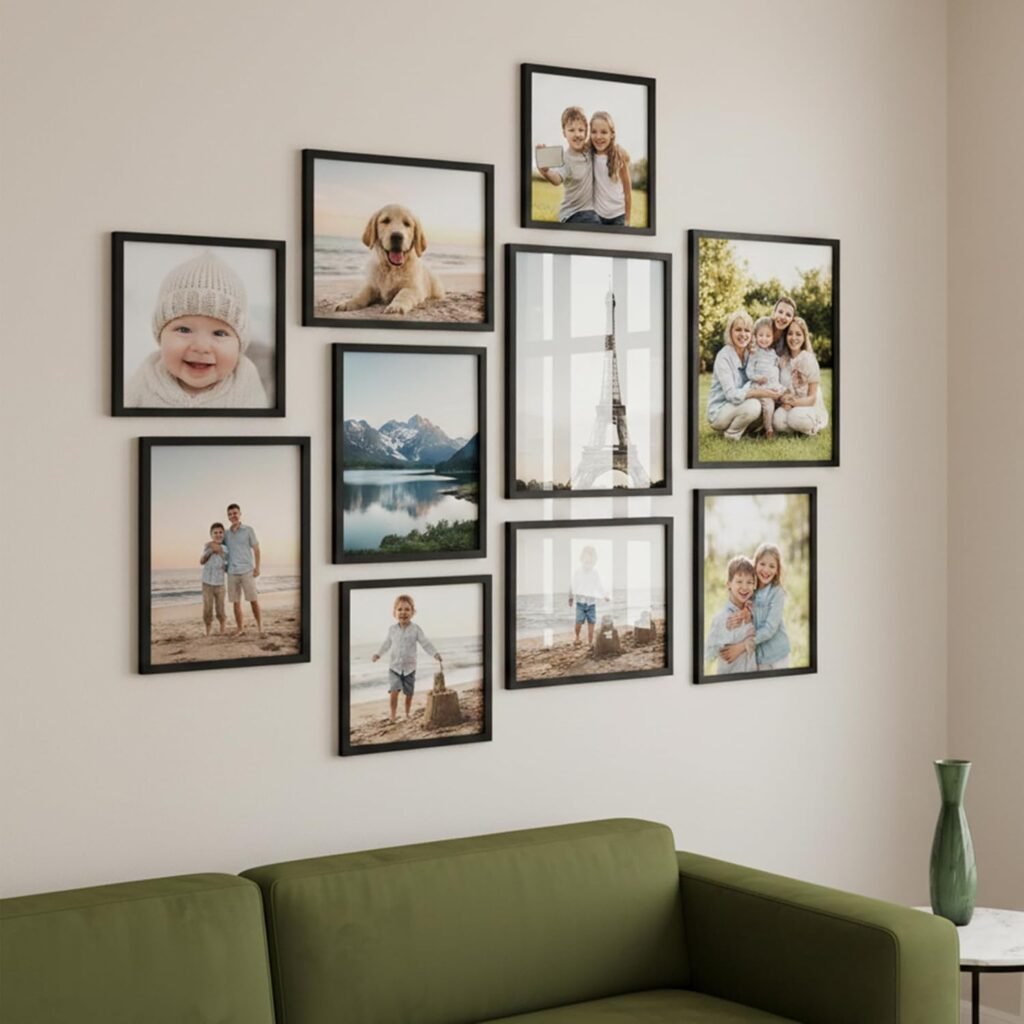
Photo frames for wall decor living room
If a small living room is styled to perfection, but absolutely without any personality, it won’t be cosy at all — it’ll be more like the lobby of a hotel. You can contribute significantly to the cosiness of the room not only by adding tangible elements of warmth (like textiles, lighting and warm colours) but also by displaying the traces of the room being lived in by real people who have used it to reflect their personality.
Books actually read rather than decoratively displayed. A photograph of somewhere that matters. A small object brought back from a trip. A plant that has grown visibly since it was bought. These elements do not need to be numerous or prominently displayed — a few genuinely personal objects scattered among the styling create a quality of aliveness that no purely decorative arrangement can replicate.
Idea 15: Scent — the Invisible Cosy Element
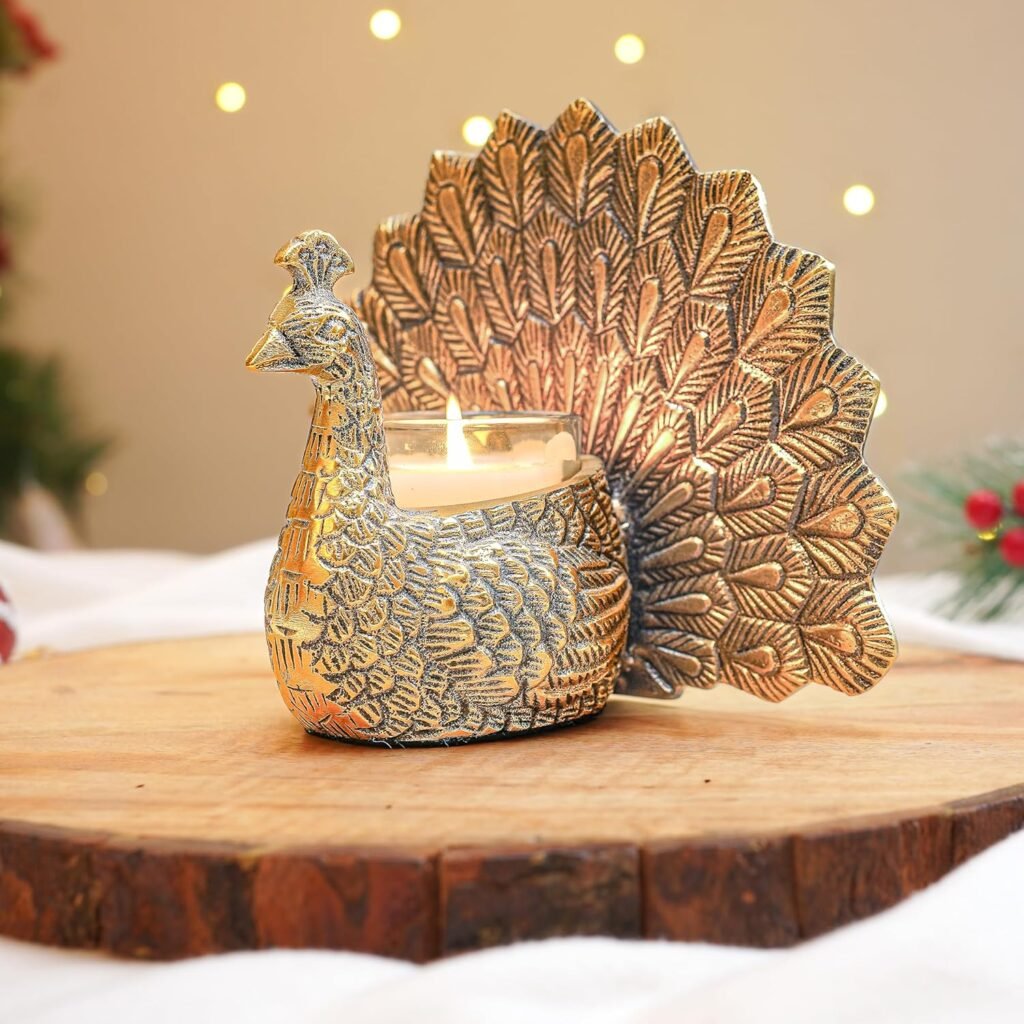
Candle holders set living room warm decor
The most neglected element of a cosy living room is scent. A room that smells right — warm, clean, subtly of something — engages a sense that visual styling cannot reach and contributes to cosiness in a way that is felt rather than seen.
Warm, natural scents candles (beeswax, sandalwood, cedar, vanilla, amber) have been definitely the most popular and loved way. Reed diffusers offer a milder and more continuous aroma as a background. Plus, a wood-burning candle (such that makes you hear the crackling) gives you both scent and sound – two extra sensory layers that ultimately complete the cosy environment.
- Scents that can be classified as warm and cosy: sandalwood, cedarwood, amber, vanilla, woodsmoke, bergamot, warm spices
- Scents not suitable for a living room: overly sweet or floral (can be overpowering in a small room), citrus (cooling but not warming)
Final Thoughts
A small living room is not a problem to be solved — it is an opportunity to create a room with genuine warmth, genuine personality, and genuine comfort that a larger, more open space would actually struggle to achieve.
The fifteen ideas in this guide do not form a single checklist for immediate implementation. They constitute a palette of techniques, any of which significantly changes the ambiance of a small living room. Begin with those that appeal to you most: floor-length curtains for quick visual changes, warm wall colors for a cozy feeling, layered lighting for evening ambiance, abundant textiles for a touch of warmth.
A small living room with such a homely feel that people tend to go there and be reluctant to leave – hardly is such a room one that has made the greatest efforts to look big. It is rather a room that has taken quite the opposite approach and played up what small rooms do best: give intimacy, warmth, and the unique human touch of a place made for the very people who live in it.
Frequently Asked Questions
Q: What colours make a small living room feel cosier?
A: Warm, mid-to-dark shades are wonderful to create a snug atmosphere in small living rooms. The best colours for such settings are those having some warmth in their base tone: warm neutrals such as oatmeal, warm stone, and warm cream; earth tones like terracotta, rust, and burnt sienna; deep naturals such as forest green, dusty teal, and warm navy. The main thing is warmth — colours with cool undertones (blue-grey, cool white, ash grey) make rooms appear bigger but also give a sense of coldness. If in a small living room you want to relax and enjoy your space, warmth will always win over perceived size.
Q: How do I make a small living room look bigger and feel cosy at the same time?
A: To see the seeming paradox of ‘larger’ and ‘more intimate’ disappear, you only have to zoom on the few right things. Floor-length curtains hung high produce an impression of height of the room and at the same time give it a feeling of warmth and comfort. A large single mirror can serve the purpose of the bigger room that is to reflect the light but without the downside of a loss in warmth. Furniture with legs in contrast to those with bases touching the floor displays more floor space and at the same time provides the opportunity to have more luxurious upholstery. The main point is to not make the room appear as if it was larger but rather that it should be the perfect version of the size it is.
Q: What size sofa is best for a small living room?
A: A two-seat small sofa or a slim three-seat sofa (sometimes referred to as an ‘apartment sofa’) is generally the best option. Try to find a sofa with a depth of 85–90cm as opposed to the standard 95–100cm – this 10–15cm difference can make a considerable practical difference in a small room. Pain-legged sofas (leg height of 15–20cm) generate visual space underneath and make the room appear lighter. The sofa must allow for a minimum of 90cm of uncluttered floor space between it and the adjoining wall or furniture piece in order for the room not to feel cramped but comfortable.
Q: Is a dark colour wall a good idea in a small living room?
A: Yes — a single dark accent wall in a small living room almost always looks better than four light neutral walls. The dark wall creates depth and a focal point that makes the room feel more intentional and more designed. The best approach is one dark wall with the other three in a complementary lighter tone. You can make a dark wall the focus by putting it opposite the window or right behind the sofa. If it’s a small living room, you’ll find deep green, deep teal, charcoal, and deep navy particularly good as accent colors for the walls.
Q: How many cushions should a small living room sofa have?
A: With a two-seater sofa, using three to five cushions is a proper range. Two big cushions of the same fabric, two smaller cushions of a different but matching fabric, and one different shaped (a bolster or a round cushion) make up a layered, styled look that doesn’t seem overcrowded. For a three-seater: five to seven cushions. The principle is odd numbers, different sizes, and only two or three fabrics or patterns max. Any sofa with more than seven cushions will look overdone rather than comfortable.