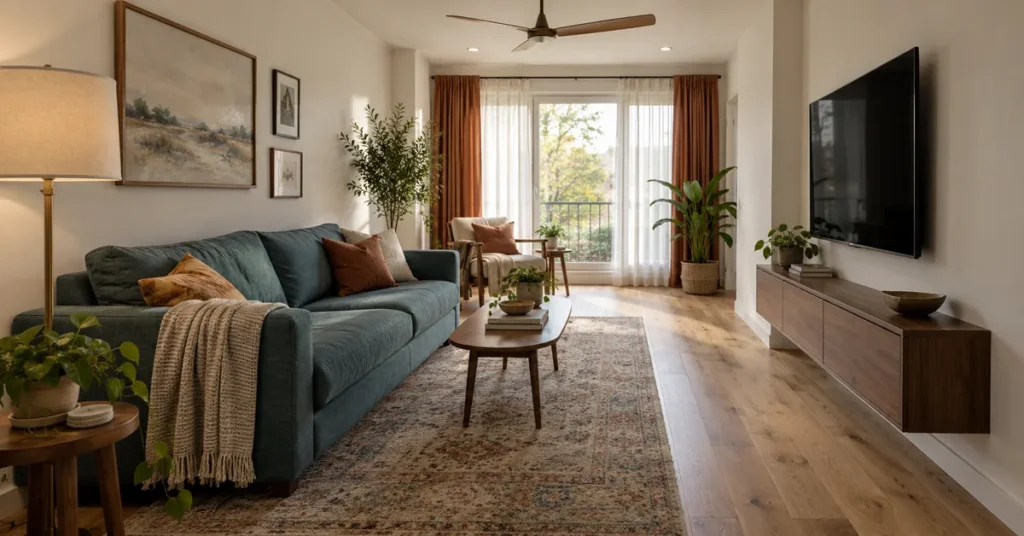

Lighting is often the least considered factor when designing a living room, yet it is the one with the greatest impact on a space’s atmosphere. No matter how carefully each piece of the living room is selected, such a space will always come across as flat, cold, and a little clinical if it is only lit by a single harsh overhead bulb. However, with the same furniture, the room can become warm, cozy, and highly welcoming if lighting is arranged thoughtfully in layers.
Most living rooms in most homes are lit incorrectly — not through any fault of the people living in them, but because the standard approach (a central ceiling light, switched on and off as the only lighting decision) is what most homes are built with by default. Improving on this default requires understanding a small number of principles: layering, colour temperature, and placement.
This living room lighting guide walks you through every step of the way: from the layered lighting formula, the right bulb temperature and why actually it is the most important factor, specific fixture recommendations and their location, down to practical advice for renters and homeowners alike. Lighting plays important role for cosy living room as well, to give a look to small living rooms.
The Layered Lighting Formula
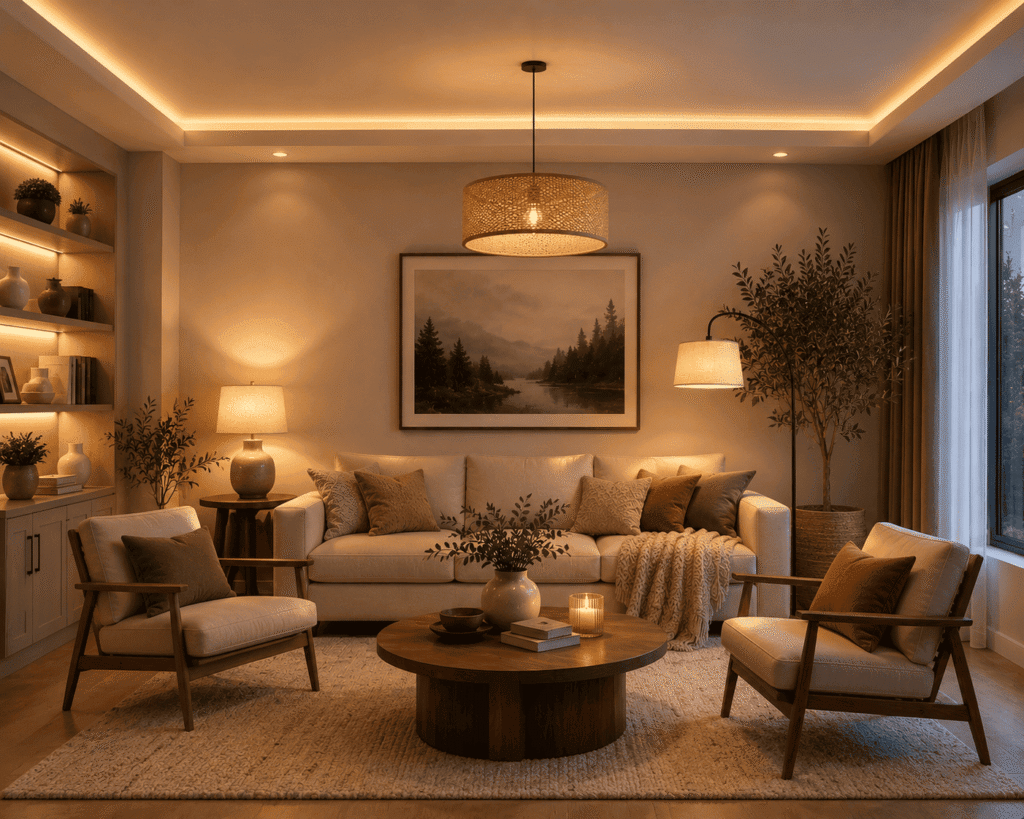
The single most important lighting principle is layering: combining multiple light sources at different heights and for different purposes, rather than relying on a single source. A professionally lit living room typically has three layers working together.
- Ambient lighting: The main room light that helps illuminate the whole space. This could be a light fixed on the ceiling, but a better effect is obtained by having a tall floor lamp or several table lamps all around the room’s walls as these give a gentler, more even distribution of light than one single central
- Task lighting: focused light for specific activities — reading, working, close-up tasks. A reading lamp beside an armchair, a desk lamp at a home office corner within the living room, or an adjustable arc lamp positioned over a favourite reading spot.
- Accent lighting: lighting of only a few specific targets like paintings, shelves, a particular part of the building, a plant. Art lights, tiny spotlights, or even properly positioned candles can do the job of not only providing light but also creating layers and making the scene more
A room that has all the three layers of light working in harmony — as opposed to one overhead source attempting to do all of the three purposes at a time — becomes the kind of light quality that you feel has been thought through, is comfortable and truly different from the flat, uniform lighting of a single ceiling fixture.
✦ PRO TIP: Aim for a minimum of three separate light sources in any living room, switched independently so they can be combined in different configurations depending on the time of day and activity. Evening relaxation might call for just the floor lamp and a candle; daytime reading might add the task lamp; a gathering might use all sources together.
Colour Temperature — The Detail That Matters More Than Almost Anything Else
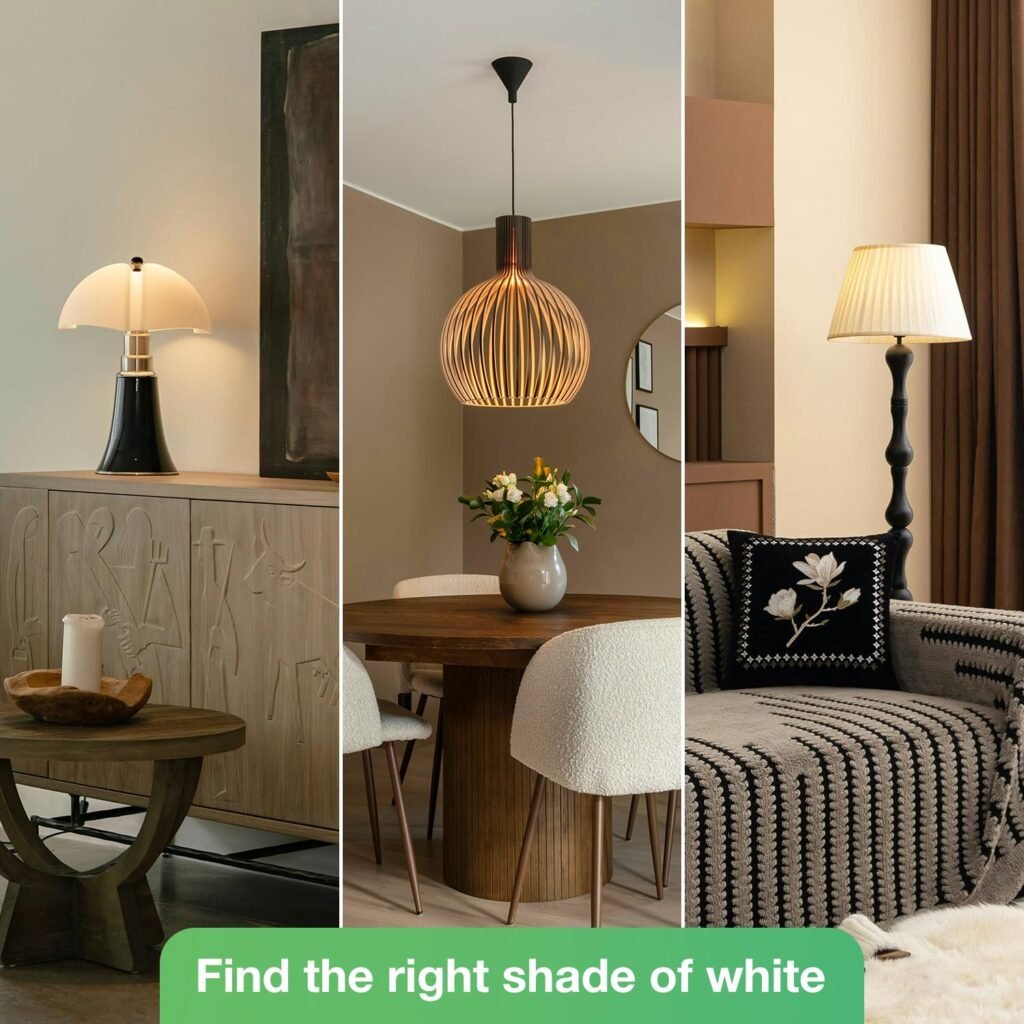
Smart Bulbs Warm White Dimmable
One of the biggest factors that determine the mood of a room is the colour temperature of light bulbs which is measured in Kelvin (K) and is changed by any other lighting decision very rarely. Lights with a cool white or daylight colour (4000K and above) give a bright, clinical, slightly blue-tinted light which is great for concentration-oriented spaces like kitchens and bathrooms but appears cold and unwelcoming in a living room no matter how warm the room’s colour palette and furnishings are.
Warm white bulbs (2700K to 3000K) cast a golden, amber-toned light that creates the cozy, inviting atmosphere associated with well-designed living rooms. This single specification — choosing 2700K bulbs over 4000K bulbs — is one of the most impactful and least expensive lighting changes available, often transforming a room’s atmosphere for the cost of a few light bulbs.
- 2700K (warm white): the standard recommendation for living rooms, bedrooms, and any space prioritising comfort and relaxation
- 3000K (soft white): a slightly brighter warm option, suitable for living rooms that also serve as a home office or need brighter task lighting at times
- 4000K and above (cool/daylight): avoid in living rooms — appropriate for kitchens, bathrooms, and garages where task visibility takes priority over atmosphere
⚠ WATCH OUT: Check the existing bulbs in your living room fixtures today. Many homes are fitted with cool white (4000K+) bulbs by default — particularly in newer builds or after a previous owner’s renovation. Replacing these with warm white (2700K) bulbs is a five-minute change that often produces the single biggest improvement to a room’s atmosphere available at minimal cost.
The Floor Lamp — Where to Place It
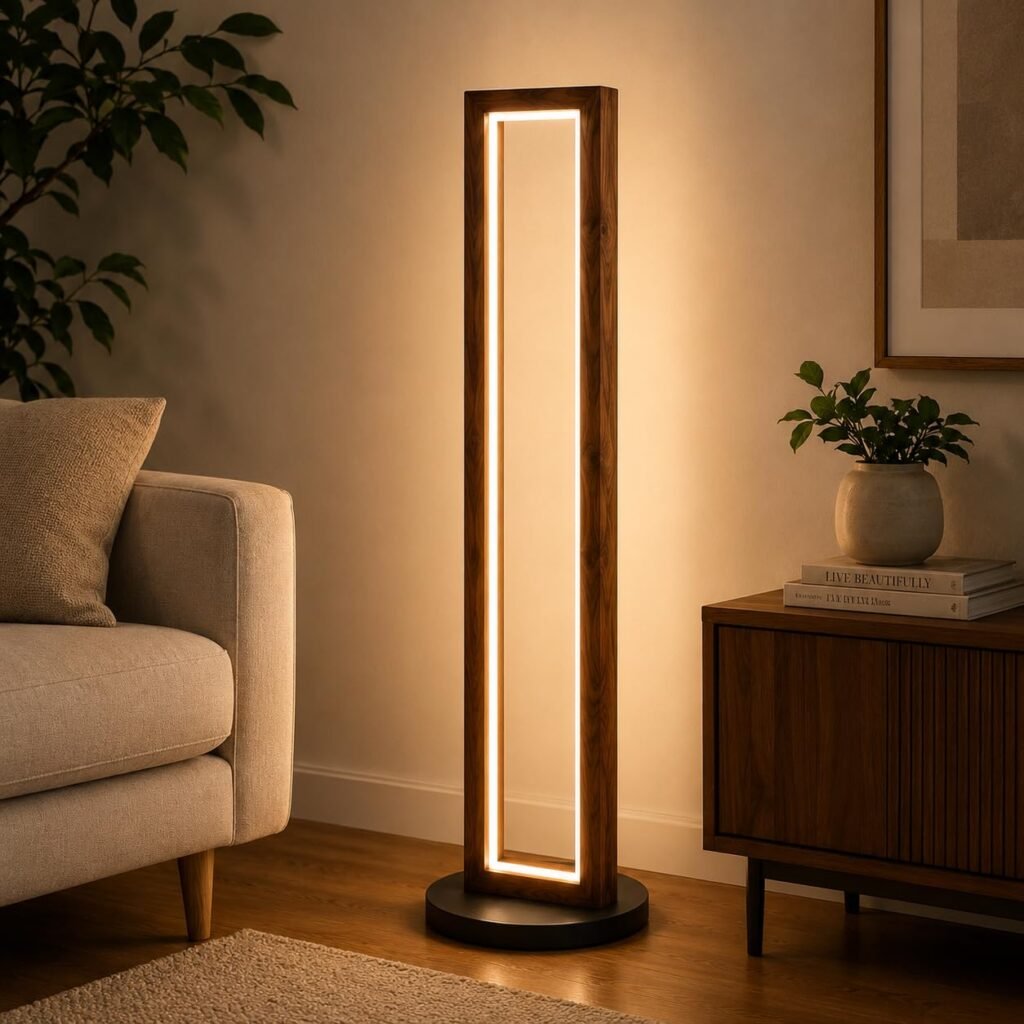
Floor Lamp For Living Room Warm Light
A floor lamp is an extremely versatile and often the most effective one-piece lighting fixture that you can add to your living room. It can produce a lot of ambient light while not needing any wiring or mounting of fixtures. Where you place lighting within your furniture arrangement will determine how much it influences the room.
The most effective floor lamp position is in a corner behind one end of the sofa, positioned so the light spreads upward and outward over the seating area without creating glare directly in anyone’s eyeline. An arc floor lamp — with a curved arm that extends the light source out over the sofa — achieves this particularly well, providing reading light over the seating area without the lamp’s base occupying central floor space.
Table Lamps — Layering at Seating Height
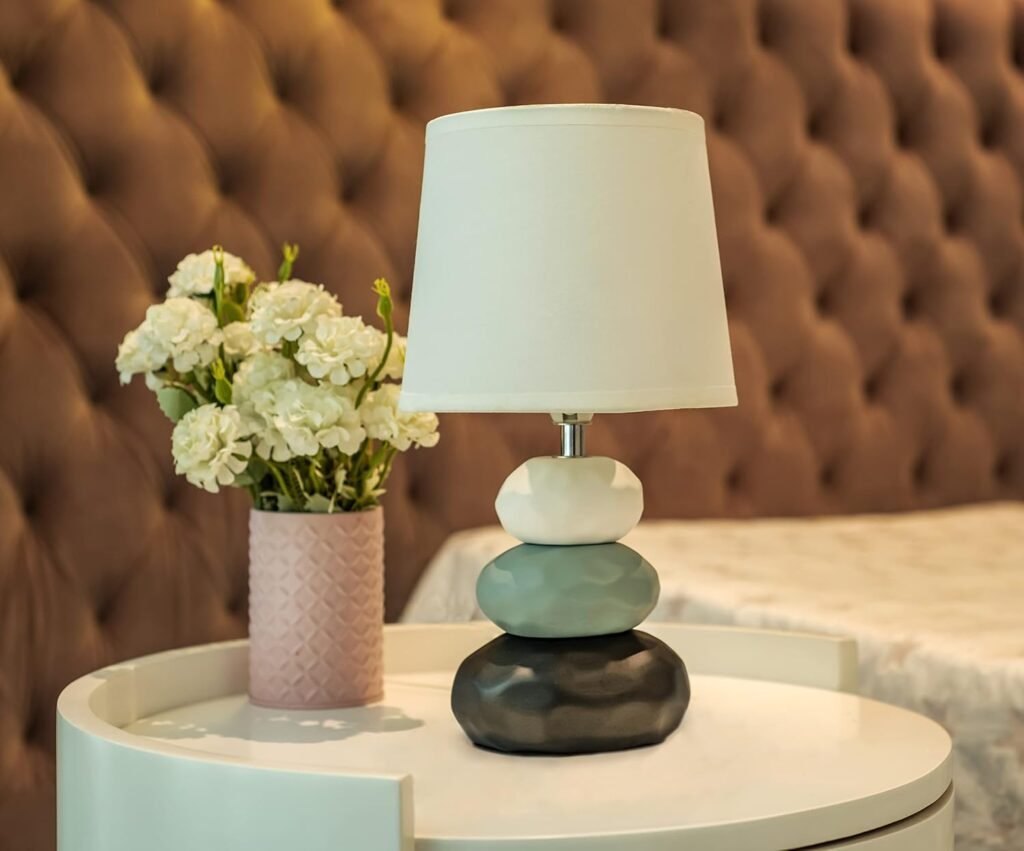
Table Lamp Ceramic Base For Living Room Warm
Table lamps placed next to sofas or chairs, or on a console or shelf at roughly the height of a sitting person, will light up cozy spots directly where people are likely to be sitting, reading, or having a chat. This kind of lighting is very different from that of ceiling lamps – gentler, more personal, and visually enhancing not only the room but also the individuals in it.
In a living room where there is a sofa and one or two side tables, two similar or complementary table lamps will give the place an even look, stylistic and deliberate. The fabric of a lamp shade largely influences light quality: linen and fabric shades give a cozy soft glow while glass and metal ones deliver fairly direct, sometimes rather harsh, light.
Wall Sconces and Picture Lights
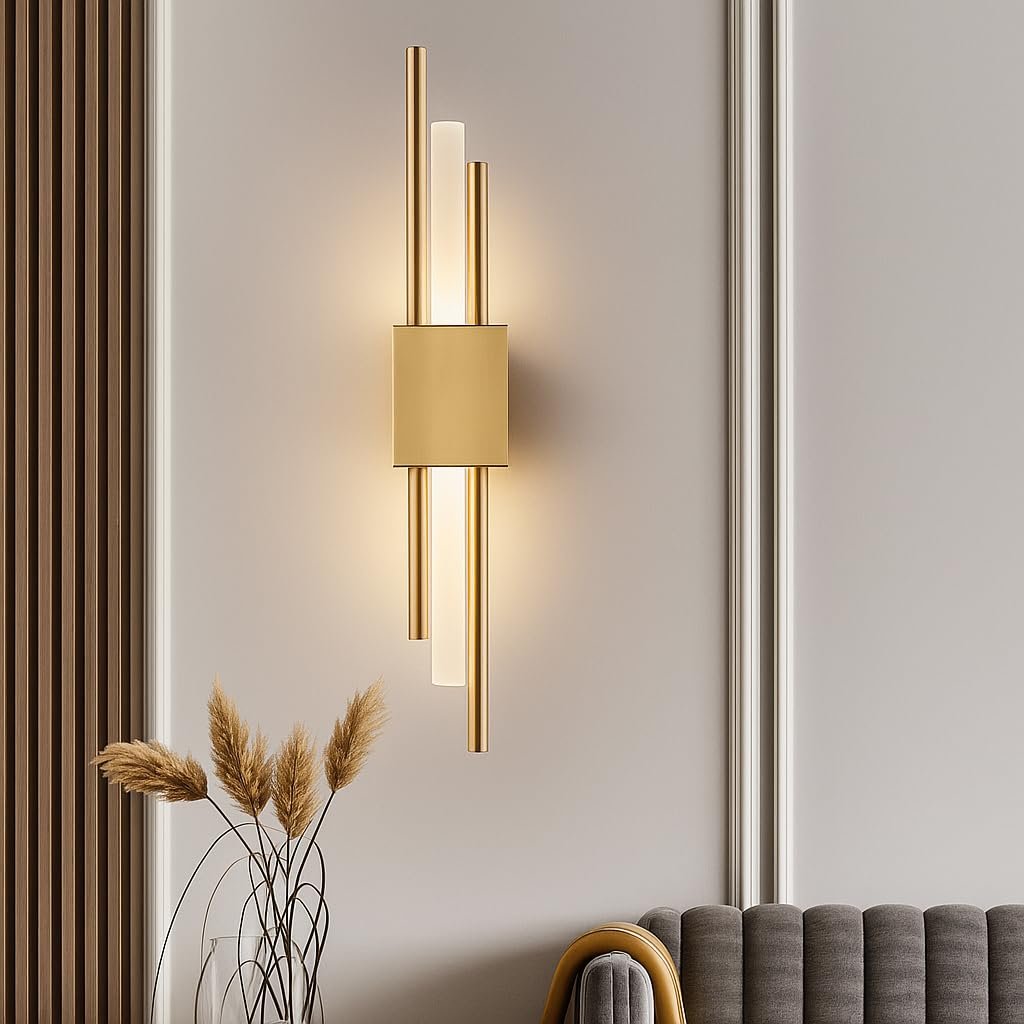
Wall Sconce Set Living Room Warm Light
Wall-mounted lighting — sconces positioned at eye or slightly above eye level, and dedicated picture lights mounted above artwork — adds a layer of lighting interest that neither floor nor table lamps achieve. Sconces are particularly effective flanking a fireplace or media wall, providing soft ambient light that does not compete with a floor lamp’s coverage.
Picture lights, mounted directly above a piece of art or a gallery wall arrangement, both illuminate the artwork attractively in the evening and contribute a warm accent light source to the room generally.
Dimmer Switches — The Single Best Lighting Upgrade

Installing a dimmer switch on any living room light fixture — overhead, wall sconces, or even some plug-in lamps via a dimmable adapter — provides the flexibility to adjust brightness throughout the day and for different activities, without needing to turn lights fully on or off. A bright setting suits daytime cleaning or activity; a dimmed setting suits evening relaxation.
Dimmer switch installation for a standard ceiling fixture is a straightforward electrical task that many confident DIY enthusiasts can complete themselves, though hiring an electrician is recommended for anyone uncertain about working with household wiring. Smart bulbs offer a dimming alternative that requires no electrical work at all — dimming is controlled via an app or voice assistant rather than a physical switch.
Candles — The Final Layer
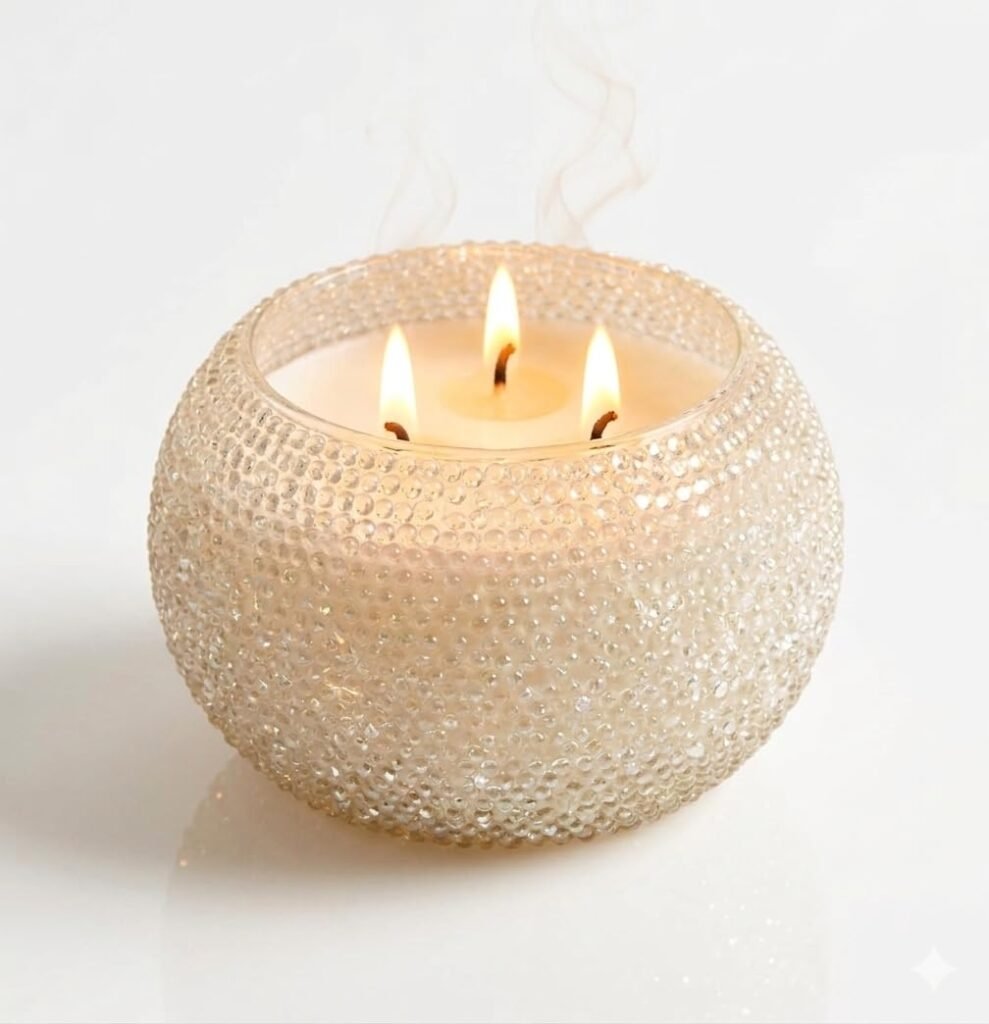
Candle Set Living Room Decor Warm Scent
Candles offer a type of illumination no electric device can imitate: a flickering, erratic, profoundly warm gleam that was linked with comfort and closeness since humans first used fire for light. Three to five candles together at different levels put on a coffee table, mantel, or console give rise to a significantly different mood for the evening than electric lights by themselves.
Recently, flameless LED candles have come a long way in terms of quality to the point that households worried about safety or having young kids and pets can find ordinarly a very similar visual effect, even to the extent of a realistic
Lighting for Different Living Room Activities
Evening relaxation and television viewing
The lowest, warmest, most ambient lighting level is appropriate here — typically the floor lamp and one or two table lamps at a dimmed setting, with overhead lighting off entirely. This avoids the glare and contrast issues that bright overhead lighting creates against a television screen.
Reading
Reading requires focused, brighter task lighting positioned close to the reading position — a dedicated reading lamp beside an armchair, positioned and angled so the light falls directly on the page without creating glare on the eyes.
Entertaining and socialising
A brighter, more evenly distributed combination of ambient sources — floor lamp, table lamps, and possibly overhead lighting at a moderate dimmed level — supports conversation and movement around the room without the intimate, low-light quality appropriate for solitary relaxation.
Daytime activity and cleaning
The brightest setting available, typically combining natural daylight with overhead lighting at full brightness if needed, supports the visibility required for cleaning, organising, and general daytime activity.
Smart Lighting — Flexibility Without Rewiring
Smart bulbs are a simple upgrade to your home lighting, as they can be screwed into your existing light fixtures and can be controlled with your phone or voice.
With most models, you can change the level of brightness and colour temperature, so the same light bulb can be bright, cool white in the daytime and then warm, amber just like in the evenings, simply by pressing a button or setting it on an automatic schedule.
If a living room is equipped with several lamps, using smart plugs (which enable control of a regular lamp’s power through an app or voice command) can give you the same flexibility as smart bulbs for lamps with regular bulbs. It will only be necessary to install smart bulbs in the few fixtures if you want to be able to turn on, off, or dim all the lamps in the room together.
Lighting Mistakes to Avoid
- Relying on a single overhead light. This is the most prevalent and seriously detrimental lighting error, resulting in flat, harsh, and unfriendly illumination that hardly offers any chance for creating atmosphere or mood through
- Applying cool white or daylight bulbs in the living areas. Despite having an excellent lighting design overall, the use of cool-toned bulbs (4000K+) distracts from creating the warm and inviting feeling a living room is expected to
- Positioning lamps without considering glare. When a lamp is placed at the level of your eyes while sitting and the lamp shade is either not opaque enough or not correctly angled, then instead of a nice ambient light, you will get an irritating
- Underestimating how many light sources are needed. A single floor lamp, however well chosen, rarely provides sufficient light layering for a full living room on its own. Most rooms benefit from at least three independent sources.
- Ignoring natural light during the day. Effective evening lighting design should not be done at the price of reducing natural light during day. So, you need to keep your window areas free of obstruction and if you need extra daytime privacy without sacrificing light then you should use sheer curtain
Final Thoughts
Lighting is arguably the strongest and most frequently overlooked tool when it comes to changing the atmosphere of a living room. Your spending – a couple of good lamps, a suitable bulb temperature, and an intentional layering method – will be very small in comparison to the visual and atmospheric effect it provides. The way we should care of living room lightings, in the same way we should also take care of garden lightings if we are residing in bunglow or have small garden in our apartment. Solar garden lights are very good option of lightings for open space like gardens, open space like balcony or small garden in pent house.
Begin by focusing on the bulb temperature: if your living room at the moment feature cool white or daylight bulbs, the simplest, least expensive and in many cases most significant single change you can make is to install warm white (2700K) ones instead. After that, you can add a floor lamp, table lamps and eventually candles to achieve the multilayered effect that is characteristic of a truly well-lit, truly comfortable living room.
Frequently Asked Questions
Q: What is the best light bulb colour for a living room?
A: Warm white bulbs with a colour temperature of around 2700K to 3000K are the great option for the living rooms. This range gives off a light with a golden, amber tint, which helps make the environment cosy and welcoming. One should stay away from cool white or daylight bulbs (4000K and up) in living rooms, as they create a cold, clinical light quality even if the room has warm colours and furnishings. Swapping out the current lights for ones with 2700K colour temperature is a highly effective and very reasonably priced way of upgrading one’s lighting.
Q: How many lamps should a living room have?
A: The majority of living rooms require no less than three separate light sources: generally a floor lamp, one or two table lamps, plus perhaps a supplementary accent source like a picture light or a wall sconce. Different layers of illumination give the room the finest and most versatile light modes at different activity/time span, from the bright daytime functional lighting to the dim warm relaxing evening lighting without depending on a single overhead fixture serving all purposes.
Q: Where should a floor lamp go in a living room?
A: A floor lamp works best when placed in a corner behind the sofa, so it can light the area softly by reflecting the light off the ceiling or walls without a direct glare or using the main floor space. A curved arm floor lamp that stretches over the sofa is a great choice for this spot since it can give you light for reading while the base of the lamp is not right next to the sofa.
Q: Should living room lighting be dimmable?
A: It is highly recommended that living rooms have dimmable lighting since this feature will enable the very same light fixtures to serve significantly varied purposes during different times of the day – bright lighting for daytime activity and cleaning, gentle light for entertaining, and a very low and warm light for evening relaxation and watching TV. Dimmer switches are options for fixtures that are hardwired whereas smart bulbs offer the same kind of flexibility for lamps that are plugged in and require no electrical work.
Q: How do I make my living room feel cosier with lighting?
A: The best changes you can make are: change the bulbs in the whole room to warm white (2700K), besides any single ceiling fixture, add at least two more light sources (a floor lamp and table lamps are the most flexible options), use dimmable lighting or a dimmer switch to reduce the light intensity in the evening, and put candles or flameless LED candles to complete the warm, flickering layer.For the most part, turning off the main overhead light at night and using only lamps and candles will markedly enhance the cosy atmosphere.