
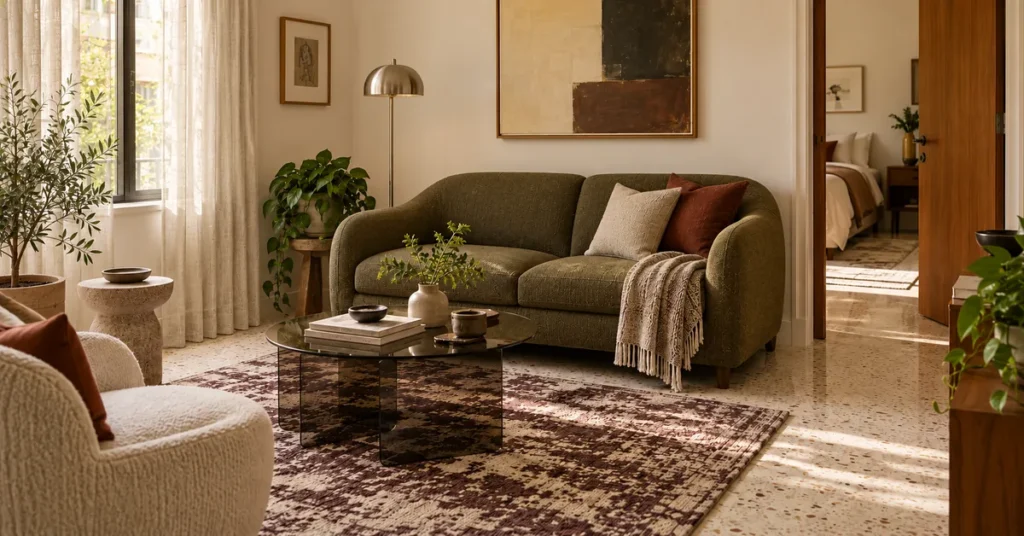
A sofa can fit between two walls and still make a small living room feel cramped. Overall width is only one measurement that matters. Deep cushions, oversized arms, a long chaise or a bulky base can consume far more usable floor space than the label suggests.
This guide covers what to measure, which proportions affect how a compact room feels, and how to match the right sofa type to the way you live, so the sofa fits the room, preserves movement, provides the seating you need, and can get through your door.
What Makes a Sofa Good for a Small Living Room?
A good small-space sofa is not simply the smallest one available. It is one whose footprint, depth and proportions suit the room without sacrificing comfort. Helpful characteristics include an appropriate overall size relative to the floor area, a depth that matches how you sit, an efficient ratio of seat width to total width, slim or well-shaped arms, and enough seating for everyday use without unnecessary bulk.
A well-proportioned three-seater or compact sectional can sometimes work better than several undersized pieces, because one right-sized sofa reduces clutter and simplifies circulation.
Measure the Room Before You Choose the Sofa
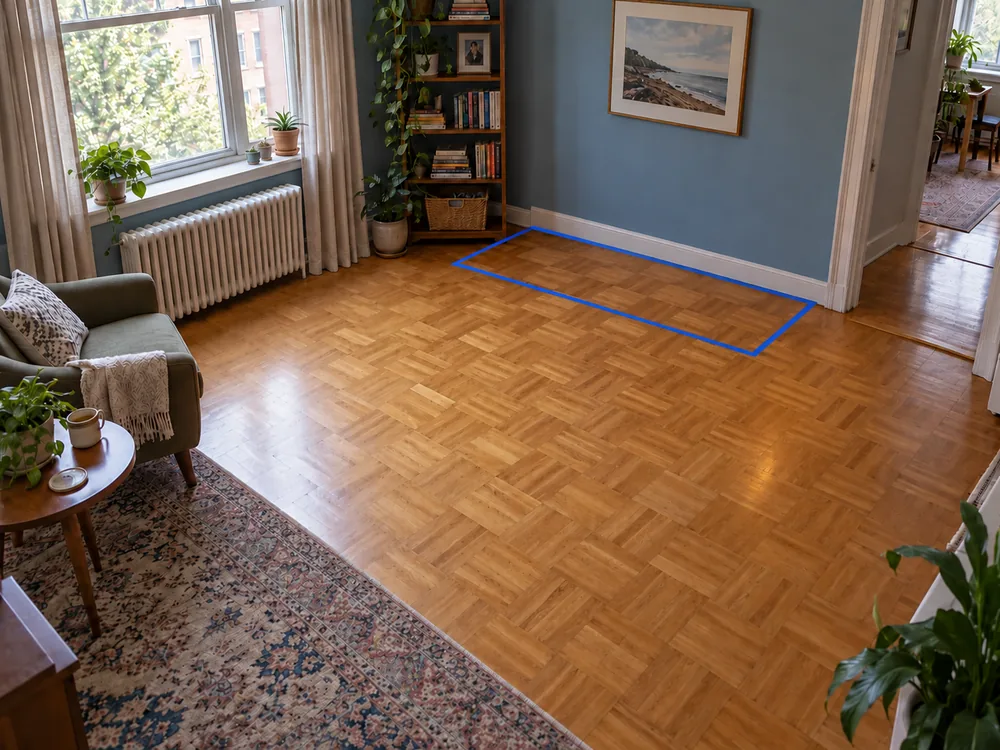
Start with the room, not a catalogue. Record the usable wall length where the sofa will sit, room width, and positions of doors, windows, radiators and any fixed feature such as a fireplace or TV point. Note the main walking route and space taken by furniture you plan to keep.
Include the depth of your TV furniture when checking the space opposite the sofa. These TV unit designs for small living rooms can help you compare options without crowding the seating area.
Also measure the doorway width, hallway turns, stairwell clearance and lift dimensions along the delivery path. These numbers matter as much as room size, and skipping them is one of the most common buying mistakes.
Marking the proposed sofa footprint with painter’s tape gives a practical sense of how the room will feel. For positioning guidance after you have chosen the sofa, see our guide to arranging furniture in a small living room.
Sofa Width Is Only One Part of the Footprint
Two sofas with the same listed width can use space very differently. A sofa with wide rolled arms devotes a significant portion of its total width to the arms alone, leaving noticeably less usable seating than a similarly wide sofa with slim track arms. Back cushion thickness, chaise extensions, recliner mechanisms and overhanging scatter cushions all add to the real footprint.
When comparing options, check the usable seat width alongside the overall dimensions. A sofa that looks compact on a product page may project further into the room than expected once you account for total depth and arm overhang.
If you are keeping a rug, mark its edges alongside the sofa footprint so you can assess both together. Use our living room rug size guide when choosing a rug for the seating area.
How Deep Should a Sofa Be in a Small Living Room?
Seat depth and overall depth are different numbers. A sofa with a shallow seat can still have a thick back frame that pushes total depth well beyond what you planned for.
A shallower overall sofa depth preserves more floor space. Seat depth and back support affect whether upright sitting feels comfortable; deeper seats may suit lounging. The right choice also depends on your height and how the household uses the sofa. Compare total depth and seat depth separately in the manufacturer’s specifications, and try the sofa where possible.
Slim Arms, Low Arms or No Arms: Does It Matter?
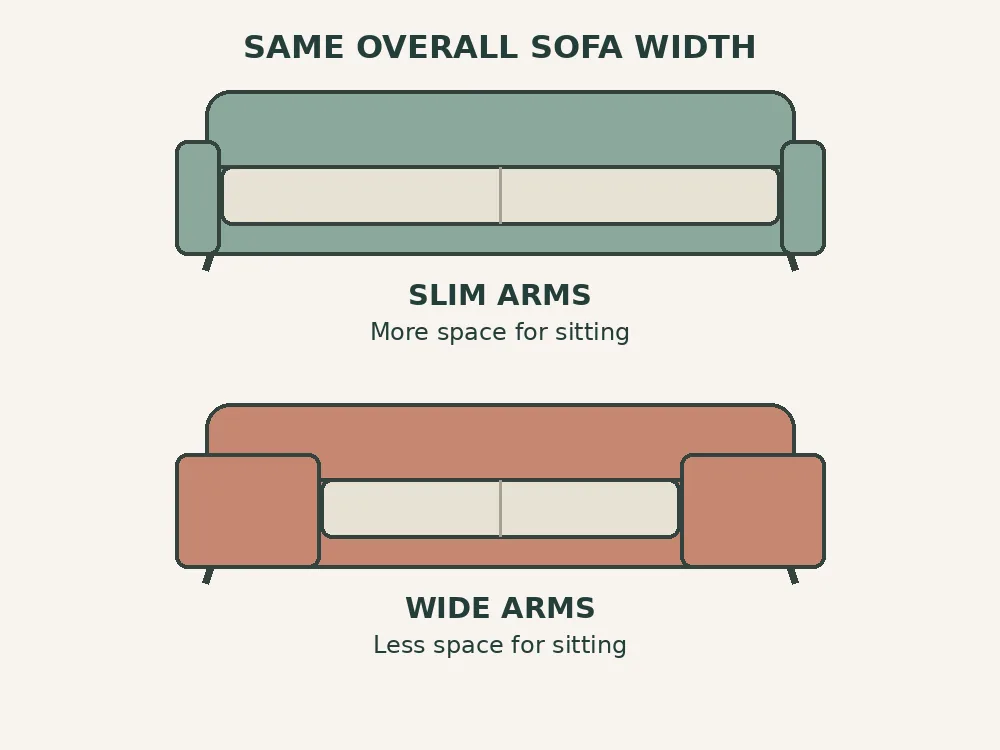
Slim arms
Provide more usable seat width within the same total footprint. If space is tight, this can be the difference between comfortable three-person seating and a sofa that technically seats three but feels cramped.
Low arms
Reduce visual bulk and keep sightlines open across the room, making a compact space feel less enclosed.
Armless designs
Reduce width and visual weight, suiting bench-style or modular layouts. However, they may not work for people who rely on an armrest for comfort. The choice depends on daily use, not just appearance.
Should a Small Living Room Sofa Have Visible Legs?
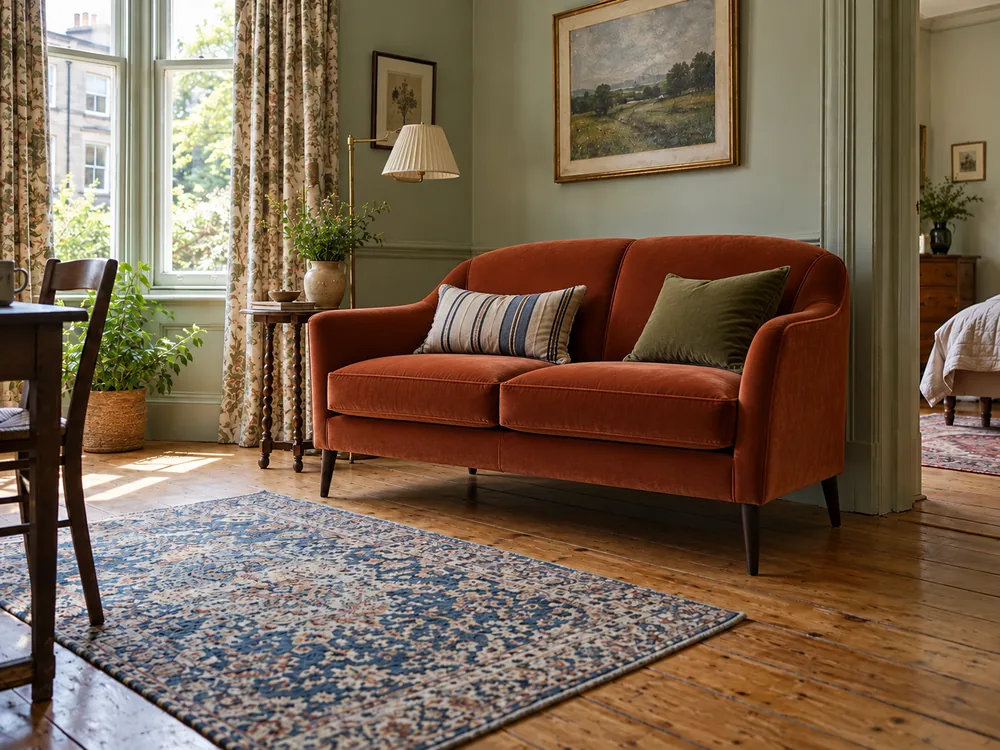
Raised legs expose floor beneath the sofa, which can make it feel visually lighter and help a small room look less crowded. This is a visual effect, not a physical space gain. A floor-hugging sofa can still work well if proportions are right. Choose a leg height that suits the design and your cleaning routine.
Which Sofa Type Works Best in a Small Living Room?
The right type depends on the room, household and how you use the space. For a broader overview of sofa styles, see our guide to different types of sofas.
| Sofa Type | Useful When | Main Advantage | Main Limitation |
| Loveseat / Two-seater | Floor space is very limited or extra chairs provide overflow seating | Compact footprint; generally easier to deliver | May not seat larger households comfortably |
| Compact three-seater | Room accommodates moderate width; continuous seating needed | More seating without separate chairs | Check total depth fits the room |
| Small sectional | A corner can be used efficiently; household needs more seating | Consolidates seating; can replace extra chairs | Chaise direction and projection must be measured |
| Modular sofa | Layout may change, access is difficult, or you move frequently | Flexible configuration; sections may be easier to deliver | Modules still need to fit; modular does not mean compact |
| Sofa bed | Guest sleeping space is genuinely needed | Dual function saves a separate guest bed | Measure closed and open positions; adds depth and weight |
Sofa or Sectional for a Small Living Room?
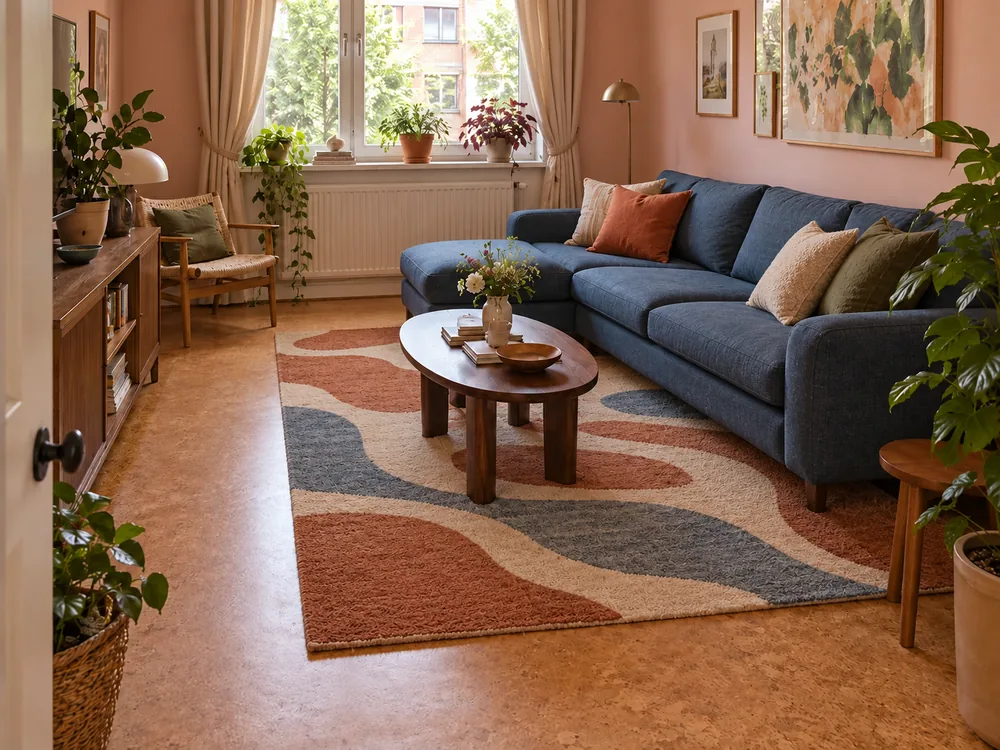
A sectional is not automatically too large for a small room. A suitably scaled design can provide continuous seating and may replace extra chairs, provided its full footprint leaves the walking route usable.
A straight sofa tends to work better when circulation passes beside the seating, the room is narrow, or you want flexibility to rearrange chairs independently.
A compact sectional may work better when a corner can be used productively, the household needs more continuous seating, and the chaise does not block the walking route.
How Many Seats Do You Actually Need?
Count the people who use the sofa on a typical day, not the maximum who might visit once a year. Planning around occasional gatherings often leads to an oversized sofa that crowds the room daily. Consider whether dining chairs or an accent chair can handle overflow, and whether one comfortable lounging position is more useful than maximum formal seating.
Small-Space Sofa Features Worth Considering
- Removable covers suit homes with children, pets or heavy daily use; check whether the fabric is machine-washable or dry-clean only before assuming easy maintenance.
For upholstery choices, our guide to buying sofa fabric online covers fabric considerations before you commit. Check the care instructions for the exact upholstery you order.
Compare upholstery swatches in the room alongside your walls and window treatments. Our guide to living room curtain colours can help you coordinate the sofa without buying a matching furniture suite. For wall-and-sofa palette ideas, see our living room colour combinations guide.
- Built-in storage can replace a separate unit, but check compartments stay accessible once positioned.
- Modular sections help if the layout may change or access routes are tight, though each section still needs to pass through doorways and turns.
- Consider a sofa bed when you need guest sleeping space, even occasionally, and its open footprint fits. Check the mechanism, mattress dimensions and room to move around the opened bed.
- A reversible chaise lets you switch the L-shape if the layout changes.
Don’t Forget Delivery Access
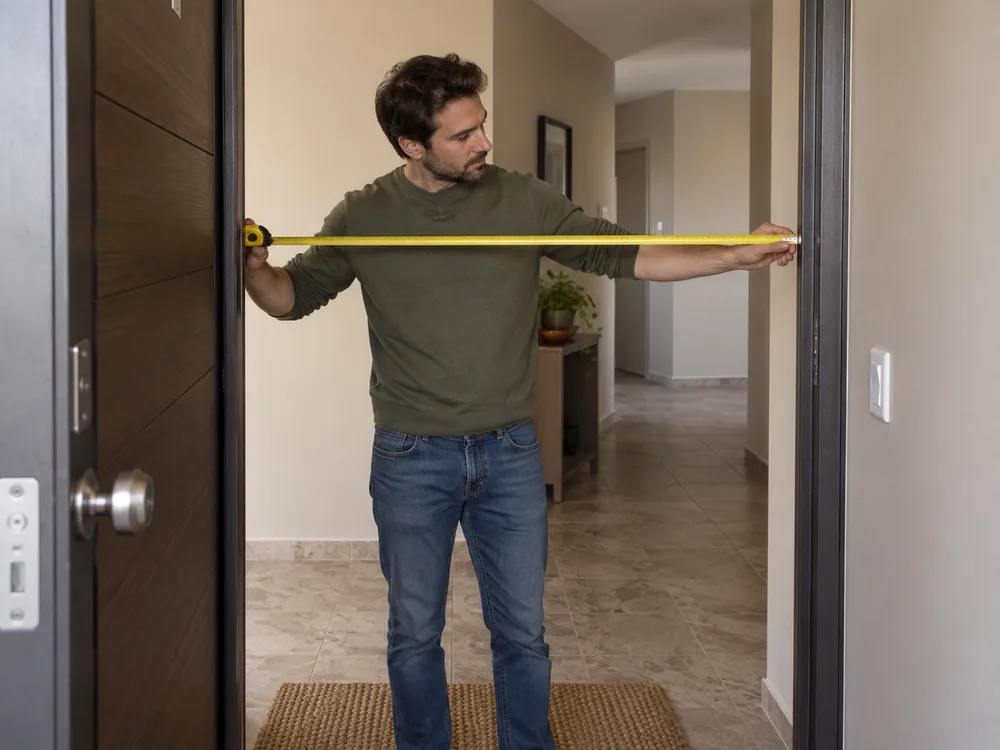
A sofa that fits the room is not helpful if it cannot get through the front door. Before ordering, measure the entry door, internal doors the sofa must pass through, hallway width and turning points, stairwell clearance, and lift dimensions. Check whether legs or arms are removable and whether the sofa ships flat-packed or assembled. Smaller separate modules can simplify delivery, but check each packaged section against the route.
Check packaged dimensions and the delivery company’s measuring guidance. Include clear opening height and width, ceiling height at turns, and any handrails or fixed obstacles. Ask the retailer to assess a difficult route before you order; a single doorway measurement cannot confirm delivery.
What Sofa Works for Different Small-Room Situations?
Very compact apartment
A loveseat, compact two-seater or modular two-piece is a practical starting point. Consider a sofa bed if guest sleeping space is needed and the open dimensions fit. Prioritise usable floor space.
Small family living room
A compact three-seater or small sectional can provide everyday seating without filling the room with separate chairs.
Long narrow living room
Depth and projection matter more than width in a narrow room. Placing the sofa along the longer wall often works well, but door positions and circulation may call for a different arrangement. For layout strategies specific to this shape, see our long narrow living room layout guide.
Rented home or frequent mover
Modular designs, removable legs and mid-weight proportions make a sofa easier to move and adapt. This does not mean settling for low quality; it means choosing a configuration that travels well. Once the sofa is chosen, use renter-friendly wall decor ideas to finish the seating area within your lease conditions.
Sofa Buying Mistakes That Make a Small Living Room Feel Worse
- Choosing by width alone without checking total depth.
- Selecting wide padded arms that consume usable seat width.
- Buying for rare large gatherings instead of everyday use.
- Assuming every sectional is too large, when a compact one might consolidate seating.
- Assuming every compact sofa is comfortable without checking seat depth.
- Forgetting to measure the delivery route.
- Ignoring chaise direction and projection.
- Adding too many separate pieces instead of one well-proportioned sofa.
- Buying before marking the footprint on the floor.
Quick Checklist Before Buying a Sofa for a Small Living Room
Before ordering, confirm:
- Room width and length.
- Usable wall length for the sofa.
- Sofa total width, total depth and seat depth.
- Arm width and style.
- Chaise projection, if applicable.
- Clearance around doors, windows and fixed features.
- Normal walking route through the room.
- Actual everyday seating requirement.
- Sofa-bed open dimensions, if applicable.
- Delivery route: doorways, hallways, stairs and lift access.
- Whether removable legs or modular sections simplify delivery.
- Upholstery and care requirements.
- Return policy, especially when buying online.
Measure the room, compare the manufacturer’s full dimensions, and mark the footprint on the floor before you order. The right sofa is the one that fits your room, your household and your doorway.
Frequently Asked Questions
What type of sofa is best for a small living room?
There is no single best type. Compact straight sofas, loveseats and appropriately sized sectionals can all work depending on the room’s dimensions and seating needs. The best choice is the one whose footprint fits the space while providing comfortable everyday seating.
Can you put a sectional in a small living room?
Yes, if the sectional’s footprint and chaise placement preserve circulation. A compact sectional can sometimes use a corner efficiently and replace several separate pieces, freeing floor space.
Is a deep sofa bad for a small living room?
Not automatically. A deeper sofa uses more floor area, so the room width and circulation must support it. If comfort is the priority and the room allows it, a deeper seat may still be right.
Are sofas with slim arms better for small rooms?
They provide more usable seating within the same overall width, which helps in tight spaces. However, arm comfort and build quality still matter.
What should I measure before buying a sofa?
Measure the room’s width and length, the sofa wall, your walking route, doorways along the delivery path, and hallway or stair clearance. Compare those figures to the sofa’s total width, total depth, seat depth, arm width and any chaise or sofa-bed extension dimensions.

