
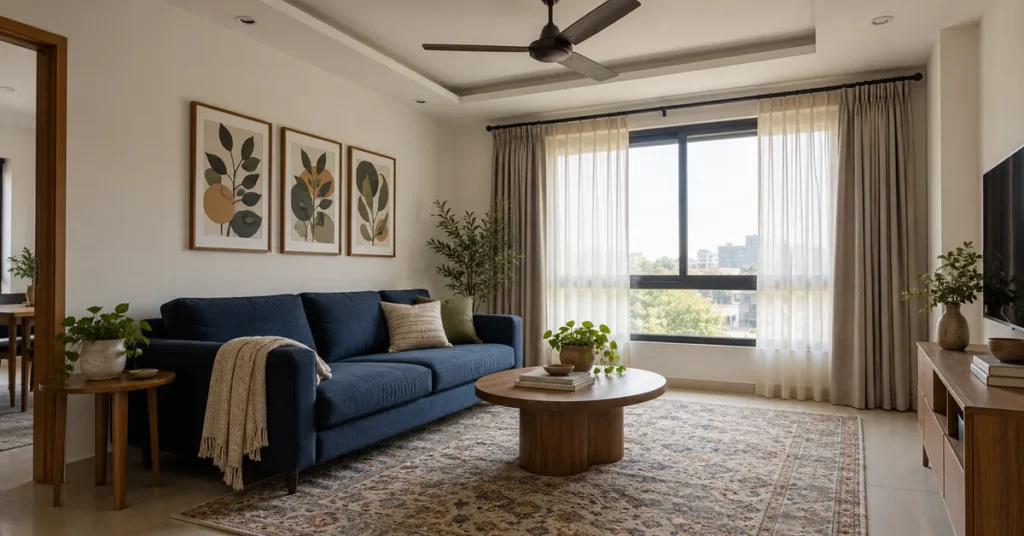
Blank walls are one of the most common frustrations in a rental. The space feels unfinished, but the lease says no drilling, or you are just not sure what is safe to use and what will cost you part of your deposit at the end.
The challenge goes beyond avoiding nails. The real question is whether the product you choose suits the wall surface, supports the weight, removes properly, and stays within your rental agreement. This guide covers practical options, explains what works (and what may not), and helps you decide which approach suits your walls and your lease. For decorating an entire rented room, see our guide to renter-friendly living room ideas.
[IMAGE: renter-friendly-wall-decor-ideas-featured.webp] Alt: Renter-friendly living room with lightweight wall art and removable wall decor. | Featured image, 1200×628. Realistic rental living room, not luxury.
Before You Decorate a Rental Wall, Check These 4 Things
Before buying anything, check these four things. They determine which products will actually work in your space.
- Your lease or landlord rules. Some agreements prohibit adhesive products, not just drilling. Others allow small nail holes that can be filled. Read the specific terms or ask your landlord before you start.
- Wall surface and texture. Most adhesive-based products are designed for smooth, sealed surfaces. Textured finishes like orange peel, knockdown, or rough plaster reduce contact area and can cause adhesives to fail or damage the wall on removal.
- Paint condition. Flaking or poorly bonded paint may lift when adhesive decor is removed. Fresh paint needs time to cure. Check both the paint and mounting-product instructions, as waiting periods vary. A discreet test can help identify problems, but cannot guarantee clean removal months later.
- Weight of what you want to hang. Check the mounting product’s stated weight limit, approved surfaces and item restrictions. Include the frame, glazing and any rod or hardware. Do not use a lower load as a workaround on a surface the manufacturer excludes.
Removable Picture-Hanging Strips and Hooks
Adhesive picture-hanging strips are one of the most accessible no-drill options for apartment wall decor. Products like Command strips use a stretch-release adhesive designed to hold firmly and then release cleanly when removed correctly.
These strips work best on smooth, clean, dry surfaces. Weight limits vary by product, with standard strips typically rated for lighter frames and heavyweight versions rated for larger items. Always check the packaging for the specific weight rating and surface compatibility.
Applying: Follow the manufacturer’s surface preparation steps. For Command brand products, 3M recommends wiping the wall with rubbing alcohol (not household cleaners or water) before applying. Press firmly and wait the recommended time before hanging anything.
Removing: Stretch-release strips have a specific removal method. For Command strips, pull the stretch tab slowly straight down against the wall, not outward from it. Pulling away from the wall instead of stretching downward can lift paint. Other adhesive strip brands may have different removal steps, so always check the packaging.
These strips are not recommended for textured walls, freshly painted surfaces, or walls with flaking paint. On these surfaces, the adhesive may fail to hold or may pull the paint layer during removal.
Create a Gallery Wall With Lightweight Frames
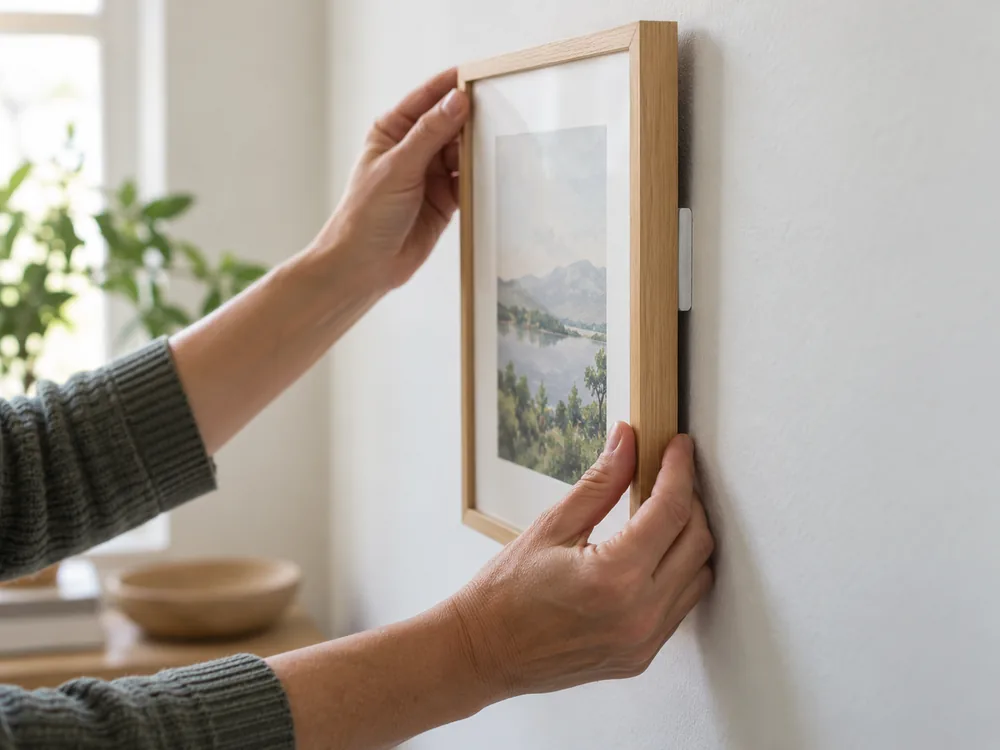
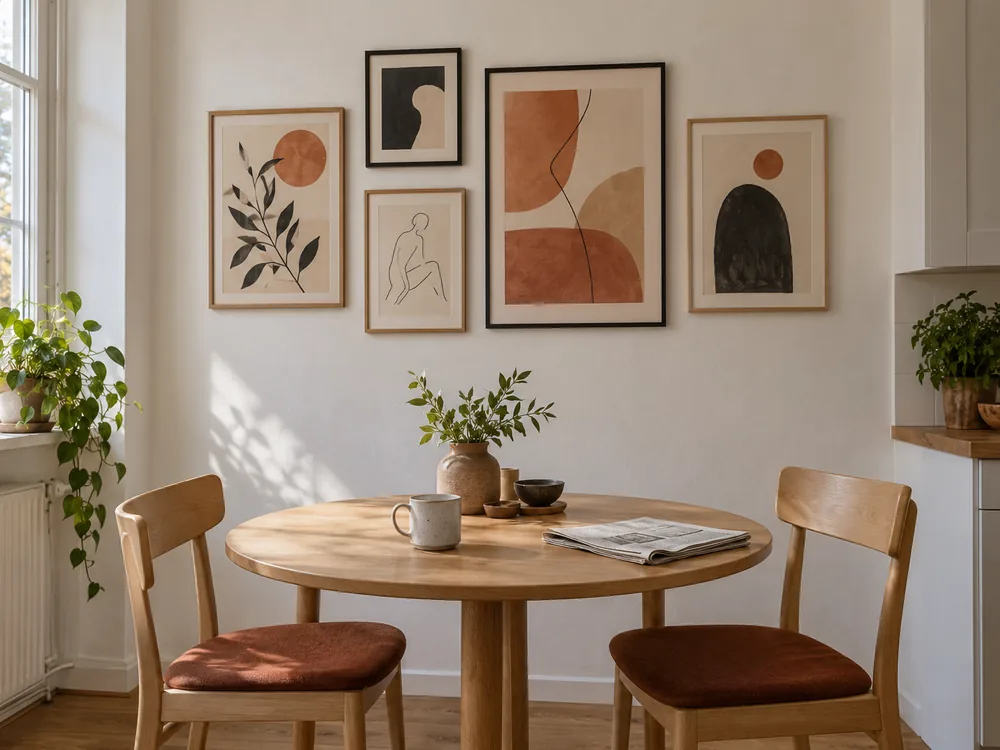
A gallery arrangement is one of the easiest ways to make rental walls feel intentional. The key for renters is keeping each piece light enough for removable hanging strips or small hooks.
Matching frames give a clean, uniform look, but mixed frame styles also work when they share a connecting element such as a similar colour palette, consistent mat colour, or shared subject. For botanical prints and simple frames, our modern farmhouse living room ideas offer styling inspiration you can adapt without copying permanent wall treatments.
A practical starting point: group three prints of similar size (roughly 20 x 25 cm to 30 x 40 cm) in a horizontal row, spaced 5 to 8 cm apart, centred at eye level. Plan the layout on the floor first. If using paper templates on the wall, use surface-compatible removable tape and test it discreetly first.
Keep the total weight in mind. Five small frames on individual strips may seem light, but check that each one is within the strip rating. Heavier gallery frames may need a different mounting solution.
Use Peel-and-Stick Wallpaper for a Feature Wall
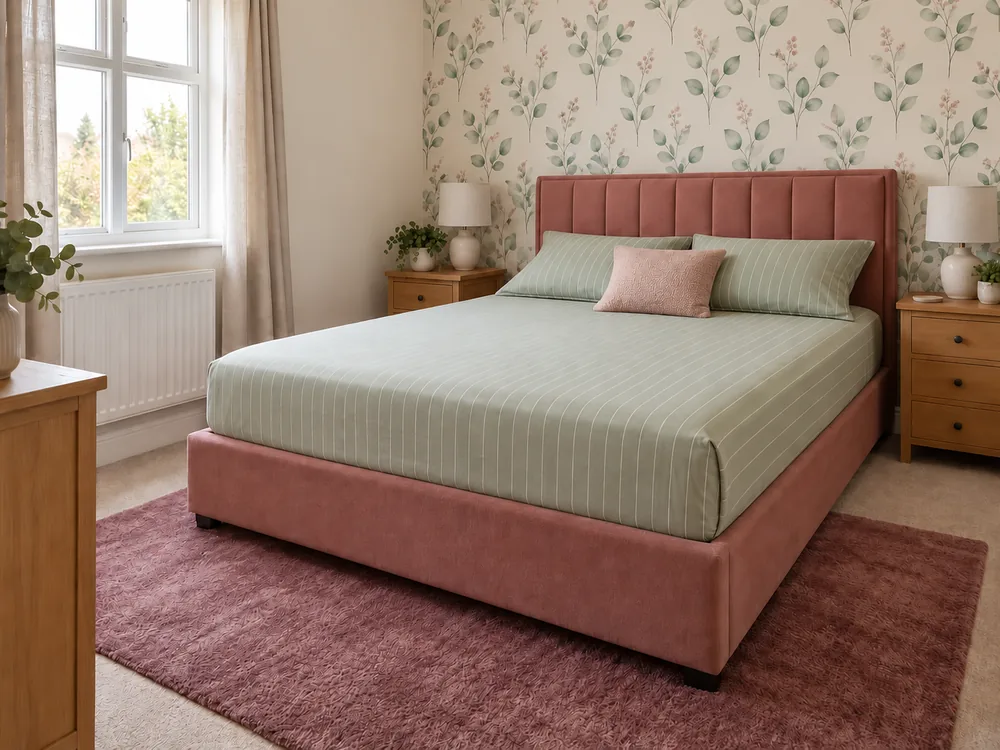
Removable wallpaper is a popular way to create a renter-friendly accent wall without painting. When it works, the result is dramatic. But it does not work equally well on every surface.
Some wallpaper manufacturers recommend smooth walls with fully cured eggshell, satin or semi-gloss paint, and exclude textured walls or flat and matte finishes. Requirements differ between products. Check the chosen wallpaper’s approved surfaces and paint finishes before buying.
Before applying: Confirm the paint has fully cured. Check the wallpaper manufacturer’s instructions for the recommended curing time, as this varies by product. Clean the wall thoroughly and test a small piece in a hidden corner before committing to a full wall.
Removing: Peel slowly at a low angle, working from a corner or edge. Follow the manufacturer’s removal instructions, as technique varies between products.
Try Removable Wall Decals
Wall decals offer a lighter-commitment option for adding pattern or visual interest to apartment walls. They work well for accent areas, children’s rooms, home offices, and bedrooms where you want a focal point without covering an entire wall.
Like wallpaper, decals need a compatible wall finish and may not adhere properly to textured surfaces. Check any recommended usage period and removal instructions. Test a sample first, remembering that a short test cannot predict every long-term result.
Understand Your Wall Panel Options
Decorative wall panels are increasingly popular with renters looking to add texture to apartment walls. They come in three main types, each with different installation requirements and removal risks.
Adhesive (peel-and-stick) panels attach directly to the wall. Their weight, adhesive strength and suitability for temporary use vary. Check whether the product is intended to be removed and what the manufacturer says about paint damage. Choose only a system approved for your wall surface.
Mechanically fixed panels require nails, screws or clips specified for the system and wall. These can support heavier materials, but leave fixing holes. Obtain landlord approval before installing them.
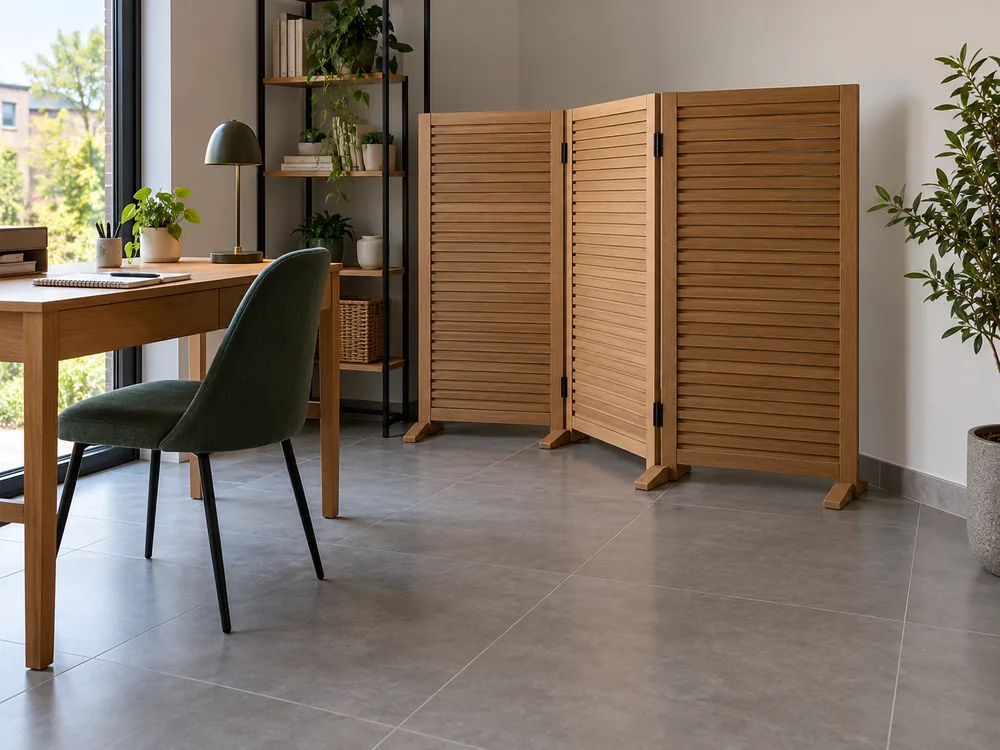
Freestanding decorative screens and room dividers provide a similar textured backdrop without covering the wall. Choose a stable design and follow its safety instructions. Some systems need anchoring, so check before treating them as a no-fixing option.
Whichever type you consider, test adhesive products on a hidden area first and confirm the weight is appropriate for the wall surface. Do not assume any panel product can be peeled off every wall without consequences.
Hang Fabric or a Lightweight Textile
Textile wall hangings, woven tapestries and fabric panels can cover a large area with relatively little weight. Check the combined weight of the textile, rod and hardware against the mounting system’s rating. Use adhesive hooks only on approved surfaces; otherwise consider a suitable existing picture rail or landlord-approved fixing.
Use Posters and Prints Without Heavy Frames
Posters and unframed prints are among the most affordable wall art for apartment living. Poster rails (thin wooden or magnetic strips that clip the top and bottom edges) give a clean, finished look without the weight of glass-fronted frames. Avoid using tape, putty, or general-purpose adhesive directly on printed paper, as these often leave residue, stain the print, or pull paint.
Lean Large Artwork Instead of Hanging It
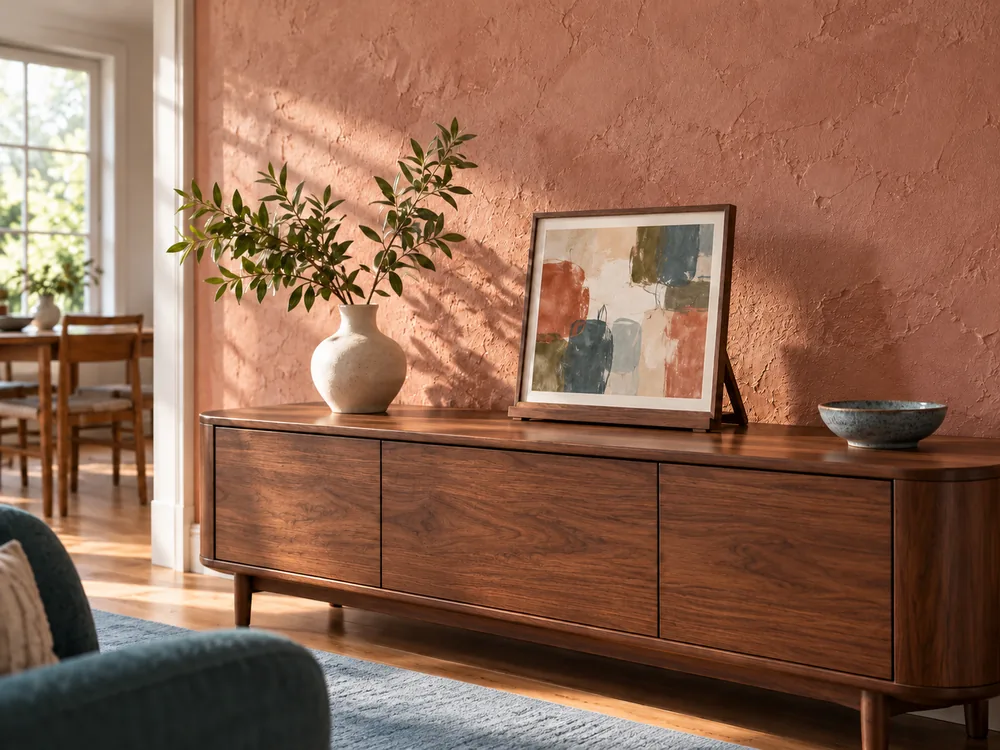
Leaning artwork against a wall, on a console, dresser, shelf, or mantelpiece, avoids the need to mount anything. It works especially well with larger pieces that would be too heavy for adhesive strips. Use anti-tip measures if the piece is tall or heavy, particularly in homes with children or pets.
Also check what is already in the room. Picture rails, pre-installed hooks and built-in shelving may provide useful display points. Confirm their condition and load capacity before adding artwork or mirrors.
Create an Accent Wall Without Painting
For colour and pattern on a compatible smooth wall, consider removable wallpaper. Decals suit smaller accent areas, while a textile adds texture with less coverage. A gallery arrangement creates a focal point without covering the whole surface. Panels offer depth, but their fixing and removal requirements need closer checking. Our living room accent wall ideas can help you choose a focal wall and pattern; keep the installation method within your rental rules.
In a rental bedroom, combining an accent wall with the right layout can help the room feel larger. See our tips on how to make a small bedroom look bigger, or explore wall decor ideas above the bed for bedroom-specific styling.
Use Freestanding Decor When the Wall Is Difficult
If your walls are heavily textured, the paint is fragile, or wall fixings are prohibited, consider a stable decorative screen, tall plant, floor lamp or artwork displayed on suitable low furniture. These can give a blank wall a focal point while reducing the need for attachments. For a floor lamp that complements the display, see our living room lighting ideas and focus on plug-in options.
Leave a little space behind furniture to reduce scuffing. Tall bookcases, ladders and heavy leaning pieces may require anti-tip fittings attached to the wall. If those fixings are prohibited, choose an alternative that can be used safely within the manufacturer’s instructions.
What Works on Textured Walls?
Many adhesive products require smooth surfaces, so textured walls can rule out several options above. Use suitable existing picture rails or hooks, ask your landlord about approved fixings, display artwork securely on furniture, or choose stable freestanding decor. A stronger adhesive is not a substitute for surface compatibility.
Which Renter-Friendly Wall Decor Option Should You Choose?
| What you want | Where to start |
|---|---|
| Framed art | Lightweight frames with removable hanging strips on compatible smooth walls. |
| Feature wall | Removable wallpaper on compatible smooth walls with fully cured paint, or a large textile with suitable fixings. |
| Textured walls | Stable freestanding decor, securely displayed leaning art, or landlord-approved mounting. |
| Easiest move-out | Lightweight decor on suitable existing fixtures, or stable freestanding pieces that do not require wall anchoring. |
| Heavy items | Suitable landlord-approved fixings. Use temporary adhesive only when the manufacturer specifically approves the item, weight and surface. |
A Simple Move-Out Check
Plan your removal well before the day you return keys. Each product type has its own removal method, so follow the manufacturer’s instructions for every item.
Stretch-release adhesive strips (e.g. Command strips): Pull the stretch tab slowly straight down against the wall to release. Do not pull the strip away from the wall or peel it like tape.
Peel-and-stick wallpaper and decals: Peel slowly from a corner or edge at a low angle. Work gradually and do not rush.
After removal, inspect the walls in good light. For marks or residue, follow the wall finish and product cleaning guidance and test discreetly before cleaning a larger area. Check with your landlord before repainting or making repairs. Start a few weeks before returning the keys so there is time to address problems.
Frequently Asked Questions
Do removable wall strips damage paint?
When used on a compatible smooth surface and removed as the manufacturer instructs, removable strips are designed to come off cleanly. However, results vary with paint type, age, condition, and wall texture. Always test in a hidden area first.
What can I use on textured rental walls?
Most adhesive products are unreliable on textured surfaces. Better options include existing picture rails or hooks, landlord-approved mounting, leaning artwork on furniture, and freestanding displays.
Can renters use wall panels?
Some panels are marketed for temporary use, but check their surface requirements, fixing method and removal guidance. Mechanically fixed panels leave holes. A stable freestanding screen may suit a no-fixing rental, provided its instructions do not require wall anchoring.
What is the easiest wall decor to remove when moving?
Stable freestanding decor that needs no wall fixing is usually simplest to move. Lightweight textiles on suitable existing hooks also involve little removal work. Adhesive products still need careful removal according to their own instructions.