
Most people clean their curtains roughly once every never. This is understandable — taking down curtains, wrestling them into a washing machine that may or may not fit them, waiting for them to dry, and then rehinging them with a step ladder is a significant project that gets indefinitely postponed.
Curtains require regular attention – yet often don’t. Curtains collect dust, allergens, cooking smells, pet dander and moisture/mould spores in any given space; left for months without cleaning they begin to smell musty, look dull and worsen indoor air quality in ways no other surfaces could do.
Curtain cleaning does not necessarily necessitate taking them down at all! With the appropriate tools and approach, keeping curtains genuinely clean, fresh, and well maintained in their current positions should only require occasional deep washing sessions — saving yourself both time and hassle by not needing to bring down everything at once!
This guide includes six techniques designed to clean curtains while they hang, each tailored specifically to specific fabric types and levels of dirt or odour.
Why Curtains Get Dirty Faster Than You Think
Before getting into the cleaning methods, it helps to understand what you are actually cleaning — because the approach differs depending on the type of dirt involved.
- Dust and airborne particles: these settle on curtains continuously. Every time the curtains are moved, they release a cloud of the particles they have collected. Over time, dust buildup makes curtains look dull and flat and contributes significantly to household dust levels.
- Allergens: dust mites, pet dander and pollen all accumulate on curtains – especially thick fabrics which provide more surface area for particles to settle on – so for anyone living with allergies or asthma keeping curtains clean has direct health implications.
- Odours: absorbing curtain fabric absorbs smells such as cooking smells, cigarette smoke, pet odours and general household mustiness, with velvet and dense fabric having larger pile surfaces acting particularly effectively at doing this job.
- Moisture and mould: in bathrooms, kitchens, and rooms with condensation issues, curtains can develop mould in their lower sections where moisture collects. This is both unhealthy and extremely difficult to remove once established.
How Often Should You Clean Curtains?
Answering that question depends upon factors like room, fabric type and household circumstances. Here is a general guideline:
- Vacuuming and dusting: Clean the room every two to four weeks in high traffic rooms; every month or two for bedrooms if required – taking five minutes each pair makes a real impactful statement about cleanliness levels in these environments!
- Fabric refresher spray: When your room starts smelling musty — generally every two to four weeks in kitchens and living rooms and less frequently in bedrooms — use fabric refresher spray as soon as you detect its scent to revitalize fabrics and revive fabric fibers.
- Steaming: for most fabrics, every three to six months should suffice, although velvet may need additional steaming due to flattening with use and benefit from more frequent steaming sessions.
- Full washing: once or twice annually for most standard curtains; please consult labels for specific washing advice. However, for lined or structured curtains that need professional cleaning instead, full cleaning must occur every 6-12 months or even once in every 24 months.
✦ PRO TIP: Set a quarterly reminder on your phone for curtain maintenance. Most people who commit to a regular light-cleaning schedule — just vacuuming and a fabric spray every few weeks — find they almost never need to do a full wash, because the curtains never get dirty enough to require it.
Method 1: Vacuuming — The Foundation of All Curtain Maintenance
Vacuuming is the least you can do to keep your curtains clean, and it doesn’t require any special ones besides a vacuum cleaner with an upholstery tool. It gets rid of the layers of dust and stains that make the fabric look dull and also get into the air, which decreases the air quality, and it usually takes about five minutes per pair of curtains.
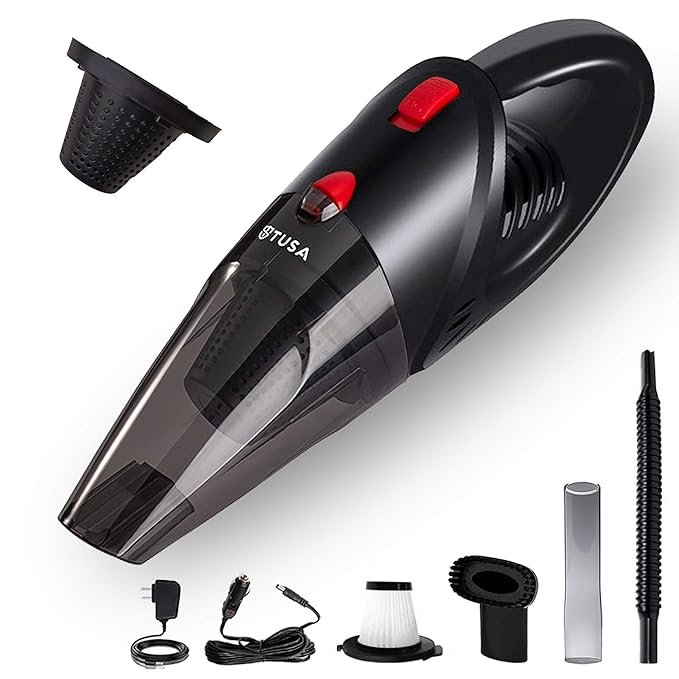
Cordless handheld vacuum cleaner for curtain
How to vacuum curtains correctly
- Fix the soft upholstery brush onto your vacuum cleaner — excluding the hard plastic nozzle or the regular floor attachment. The soft bristles get rid of dust from the fabric without causing any harm to the weave or pile.
- Start from the upper part and gradually move downwards in long, mild strokes. Do not press hard — make the vacuum do the work. If you press too hard on the delicate fabrics or velvet, you may end up with flattened pile.
- Be especially mindful of the upper side of a curtain where it is pulled together at the heading, as well as the lower part near the floor where dust is usually found in large
- For pleated or gathered headings, use the crevice attachment to get into the folds where dust accumulates.
- If the curtain has a lining, gently lift the outer fabric and run the vacuum lightly over the lining surface as well — dust collects between layers.
⚠ WATCH OUT: For velvet curtains, always vacuum in the direction of the pile — running the vacuum against the nap can flatten it permanently and leave visible marks. On velvet, a very light touch with the soft brush attachment is essential. Know how to care for velvet curtains.
Method 2: A Lint Roller for Pet Hair and Surface Debris
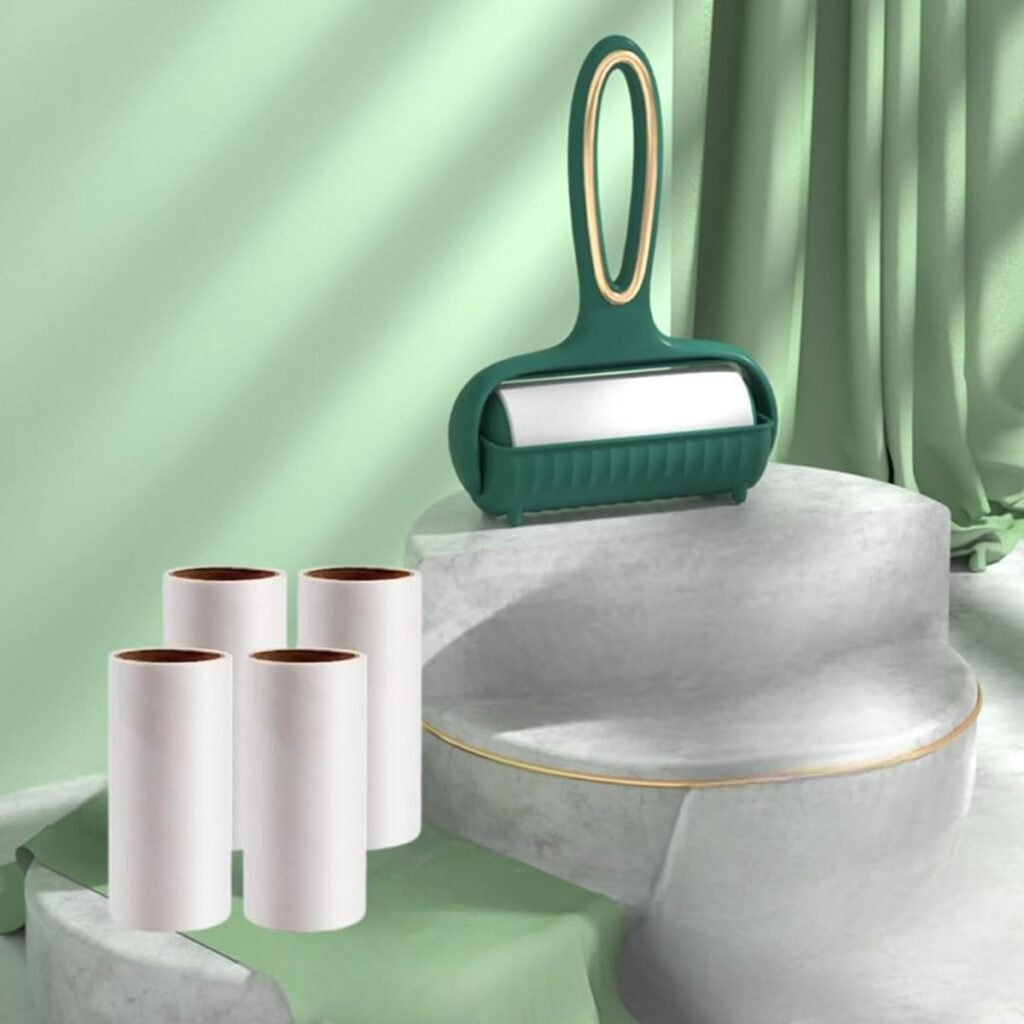
If you have pets, a lint roller is an essential part of your curtain maintenance kit. Pet hair works its way into curtain fabric with surprising efficiency, and vacuuming alone often does not remove it all — particularly from velvet, textured weaves, and heavy cotton fabrics where hair gets caught in the pile.
Large lint rollers with wide sheets are the most effective option for curtains. Work from top to bottom in overlapping passes, changing the sheet as soon as it is full. For very heavy pet hair accumulation, consider a reusable rubber pet hair remover — these are damped slightly with water, run across the fabric surface, and gather pet hair into rolls that can then be removed by hand or vacuumed away.
Lint rollers also pick up general surface debris — fluff, thread, small particles of food that have floated from nearby dining areas, and any light surface dust that vacuuming missed. Running a lint roller over curtains after vacuuming takes two minutes and significantly improves how clean the fabric looks.
Method 3: Steaming — The Most Effective In-Place Cleaning Method
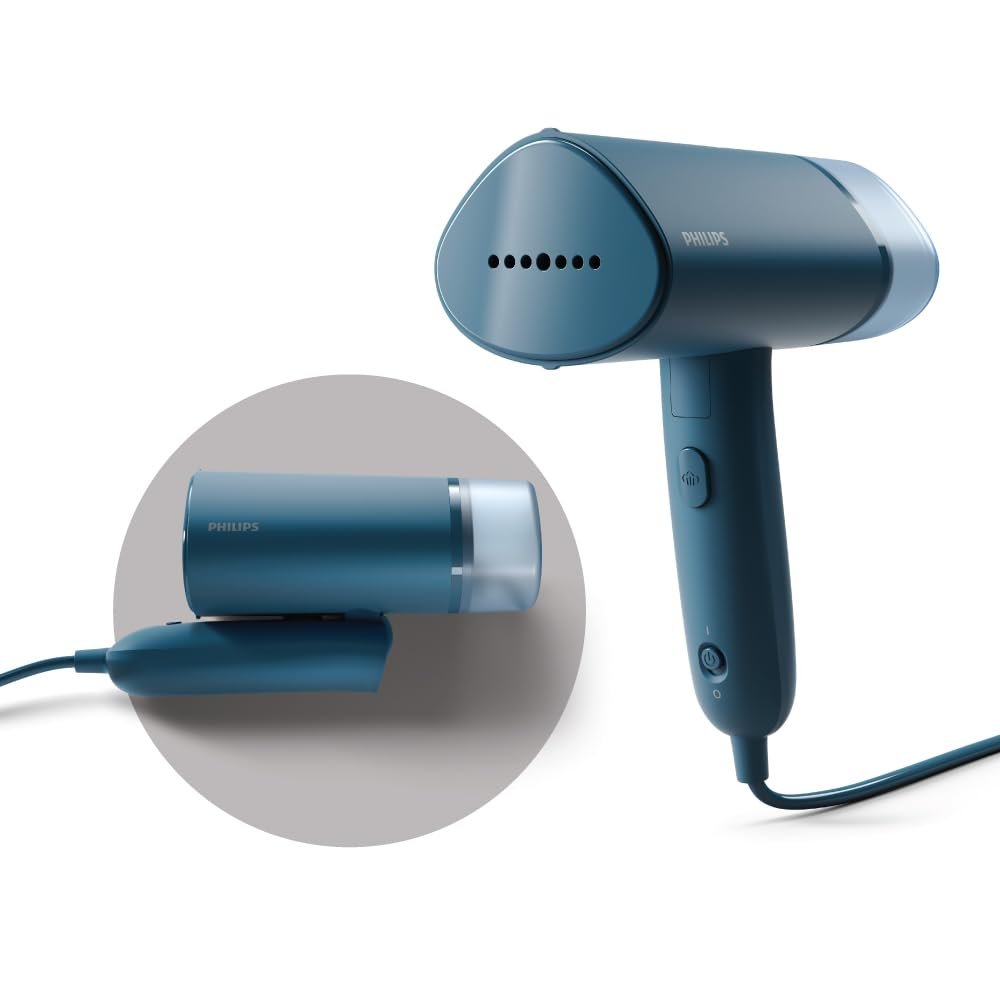
A handheld fabric steamer is the single most useful tool for maintaining curtains without taking them down. Steam does several things at once: it kills dust mites and bacteria that live in the fabric, it relaxes wrinkles and creases, it refreshes the surface appearance of the fabric, and — for velvet and similar pile fabrics — it lifts and restores the pile that has been flattened by dust accumulation or contact.
Steam does not replace washing for heavily soiled curtains, but for regular maintenance it goes significantly further than vacuuming alone. After a good steaming session, curtains genuinely look and smell fresher — not just less dusty.
How to steam curtains in place
- Filled the steamer with clean water and allowed it to reach full operating temperature; most handheld steamers take 30 to 60 seconds before fully warming up.
- Start at the top and work down, using slow vertical passes with the steamer head 5-8 cm from fabric surface – close enough for it to penetrate but far enough so as not to leave water marks or create saturation of fabric fibers.
- Allow each section to dry slightly before moving to the next — steam leaves the fabric very slightly damp, and moving the curtain before it dries can transfer moisture to the wall or the floor.
- For velvet: hold the steamer slightly further away — 8 to 10 cm — and move more quickly. The steam lifts the pile without the need for close contact. Do not let the steamer head touch velvet directly.
- If you have blackout or lined curtains, just steam the outer fabric. Please don’t point the steam at the back, especially if the blackout lining is foam-backed because too much moisture will ruin the coating.
✦ PRO TIP: People always say it’s hard to live without a garment steamer once you’ve got one. Besides curtains, it can also be used on furniture, clothes, beds, and any other soft furnishings in your home. If you decide to invest in just one fabric care gadget for your home, this should be it.
Method 4: Fabric Refresher Spray for Odours

Fabric refresher sprays — perhaps the most famous brand is Febreze, yet there are many other choices — usually focus on eliminating smells from fabrics instead of just covering them up with a overpowering smell. If your curtains have taken on the smells of cooking, pets or just the stale smell of a house, then using a fabric refresher is a very effective method to get rid of the smells in between the times when you wash the curtains.
The key is to use the spray correctly. Many people apply it too sparingly for it to be effective, or too heavily and leave the fabric damp. The right amount is a light, even mist from 20 to 30 cm away — enough for the droplets to settle on the fabric surface and penetrate slightly into the pile, but not so much that the fabric becomes visibly wet.
How to use fabric refresher on curtains
- Open windows or ensure good ventilation in the room before spraying — this helps the fabric dry quickly and allows any released odour particles to escape
- Hold the spray bottle 25 to 30 cm from the curtain surface and apply in a sweeping side-to-side motion
- Apply a light, even layer — the fabric should be very slightly damp, not wet
- Allow to dry completely before drawing the curtains — typically 15 to 20 minutes with good ventilation
- If you want to get rid of stubborn odours, you should go for second application when the first one has dried. This is a lot better than one heavy
📌 NOTE: A fabric refresher spray doesn’t clean fabric — it just gets rid of the smell but doesn’t get rid of dirt, dust, or stains. The best way to use it is along with regular vacuuming as a maintenance routine, not instead of it.
Method 5: Spot Cleaning for Marks and Stains
Stains and marks on curtains are best taken care of at once — not only do they become harder to remove the longer they sit in fabric, but also a first-time spot cleaning diluting with water works great physically removing dirt, different scourge users( food, drink, light mud), a piece of cloth, gentle dabbing would be enough .
Spot cleaning technique for hanging curtains
- Blot first — don’t rub. Rubbing a freshly made spill will only cause it to spread around and be pushed further down the fibres. Initially, use a clean, dry piece of cloth to blot the main part of the stain away before adding any
- Use cool water — not hot. Hot water sets many types of stain permanently.
- Apply water to the cloth, not directly to the curtain — this gives you control over how much moisture goes into the fabric.
- Work from the outside edge of the stain inward toward the centre — this prevents the stain from spreading into a larger ring.
- For protein-based stains (blood, egg, dairy): use cold water only. Hot water permanently sets protein stains.
- To remove grease stains: dust a stain with some cornflour or talcum powder, leave the powder in place for 15 to 20 minutes during which time the powder will get the grease out, then brush or vacuum gently before dealing with the stain with a small amount of washing-up liquid on a damp cloth.
- For wine, juice and the like: first absorb the stain by blotting, after which a little bit of sparkling water can be used to give a little lift to the pigment in the fabric before it sets
⚠ WATCH OUT: Never rub a stain on curtain fabric — it spreads the stain, pushes it deeper into the fibres, and can permanently damage the weave or pile. Dab and blot only. Patience here saves curtains.
Dry cleaning spray — the professional approach
For stains on delicate fabrics — velvet, silk, dry-clean-only linings — a dry cleaning spray is a safer option than water. These sprays contain solvents that lift grease and some other stains without introducing moisture, which can watermark delicate fabrics. Follow the product instructions carefully and test on an inconspicuous area first.
Method 6: Baking Soda for Odour Absorption
For curtains with persistent, embedded odours that fabric refresher spray alone cannot address — particularly heavy tobacco smoke, mould smell, or long-established pet odours — baking soda is a surprisingly effective treatment that can be used in place.
The method requires either two people working together, or some method for holding back the curtain from touching the wall, in order to light sprinkle baking soda over its entire surface, working from top down. Leave for at least 30 minutes (up to an hour in extreme cases ) then vacuum thoroughly using an upholstery attachment in order to collect all powder residue.
Baking soda works by chemically binding to odour molecules and neutralising them instead of simply masking them with fragrances. Once vacuumed away, its effectiveness should become evident almost instantly; for more persistent smells however, repeating this process may be necessary twice or three times before visible improvements are seen.
📌 NOTE: It is not recommended for very delicate fabrics like silk or fine voile because it may be hard to remove the powder completely. It is more effective on medium to heavyweight fabrics such as cotton, polyester, and linen.
Cleaning Different Curtain Fabrics Without Removing Them

Cotton and polyester curtains

Polyester Curtains for Bedroom
The easiest fabrics to clean in-place. All six methods mentioned above are very compatible with cotton and polyester curtain fabric. These materials steam nicely, stand up well to fabric refresher spray without leaving watermarks, and are also easy to spot-clean with slightly damp cloths.
Velvet curtains

Velvet requires the most careful approach. Always vacuum in the direction of the pile with a very soft brush attachment. Steam is excellent for velvet — it lifts and refreshes the pile brilliantly — but hold the steamer slightly further away than for other fabrics. Never rub velvet curtains when spot cleaning; always dab very gently. For significant soiling, professional cleaning is recommended rather than any wet treatment.
Linen curtains

Linen reacts wonderfully to steaming and vacuuming. It is just a little bit more susceptible to water-marking than polyester, hence spot cleaning should use the minimum amount of water. Linen drapes that are steamed may reveal some shine or slight texture change, but the fabric usually gets back to normal as it dries. Linen also takes fabric refresher spray for odor control very well.
Blackout and thermal curtains

These require care with moisture near the blackout lining. Before starting the cleaning, one should know how to care for blackout curtains. Steam the face fabric only, keeping the steamer away from the lining side. Spot cleaning on the face fabric is fine with minimal water. The blackout lining itself should not be wetted — moisture can cause the coating to separate from the face fabric or develop water stains that show through. For the lining side, vacuuming and dry treatments only.
Sheer and voile curtains

Sheers and voile rank among the easiest to maintain, however, they are also the most susceptible to show dust since their lightweight construction is highly visible. Vacuum very gently using the lowest suction setting. Steaming is a great method and effectively gets rid of wrinkles. Spot cleaning should be done with a minimum amount of water since voile can be quite water-marked easily. Actually, most polyester voile sheer curtains can be machine washed on a cold delicate cycle when they require a full wash.
When In-Place Cleaning Is Not Enough
There are situations where no amount of in-place cleaning replaces a proper wash:
- Mould or mildew: if you can see or smell mould in the curtain fabric, the curtain needs to come down and be treated specifically for mould — which usually means either a specialist fabric mould treatment or, if the mould is extensive, replacement.
- Heavy Staining that Has Set: Stains that have set in for some time may require more than spot cleaning to get out, potentially necessitating an entire soak and wash process.
- Post-building-work dust: Construction and renovation activities leave behind a fine layer of plaster and building dust that vacuuming alone cannot remove completely.
- Pet accidents: if a pet has urinated on or near a curtain, full removal and washing with an enzyme cleaner is necessary — in-place treatments will not eliminate the odour completely.
📌 NOTE: Most curtains should be given a thorough washing at least once annually regardless of in-place cleaning, according to their care label. Unlined cotton or polyester curtains can often be machine washed cold on a delicate cycle in a washing machine while lined curtains may require dry cleaning while velvet requires professional services for an extensive wash cycle.
Building a Simple Curtain Cleaning Routine
The households that constantly have clean, fresh curtains are nearly never the ones who do marathon cleaning sessions once in a blue moon — they are the ones who do a little bit regularly. This is an easy routine that requires very less time but keeps the curtains in really good condition the whole year:
- Every two to three weeks: quick vacuum with the soft upholstery attachment, top to bottom on both sides of each curtain panel. Five minutes total.
- Every month: fabric refresher spray if the room has absorbed any cooking, pet, or musty odours. Five minutes.
- Every three months: a proper steaming session — working slowly down each panel with the fabric steamer. Fifteen to twenty minutes per room.
- Once or twice a year: full removal and washing for machine-washable curtains, professional cleaning for velvet and dry-clean-only fabrics.
That way, you avoid the situation when curtains get so dirty that only a great effort can make them clean. It maintains them at a minimum level of tidiness that entire washing becomes an infrequent treatment instead of a last resort.
Final Thoughts
Curtain cleaning doesn’t need to be an overwhelming project; with just a vacuum cleaner, fabric steamer, and bottle of fabric refresher spray at hand you can keep curtains truly hygienic for most of the year without ever needing to take them down again! Regular light maintenance costs far less time and energy than full deep-clean sessions — while your curtains look and smell much fresher as a result!
Tools that truly make the difference also serve multiple uses beyond curtains: fabric steamers can help rejuvenate upholstery, mattresses and clothing alike; an upholstery vacuum attachment comes in handy with sofa cushions. As household purchases, these can quickly pay for themselves. If your curtains span multiple rooms in your home.
Once it comes time for full washing of cotton sheers or once every 18 months for bedroom curtains lined with material such as velvet or polyester linings, understanding your fabric type and following its care label are key in producing curtains which emerge looking fresh and improved, rather than ones which come out distorted or damaged from washing.
Frequently Asked Questions
Q: How often should curtains be washed?
A: Generally, a good wash once or twice a year is enough for most curtains. In between washing, a thorough hoovering every couple of weeks and a good steaming every two to three months will keep them quite clean and fresh. Curtains in kitchens and rooms where cooking smells or pet odours are present will probably need more frequent washing. Sheer curtains, on the other hand, which display dust very clearly, may only need washing every three to six months.
Q: Can I steam clean any type of curtain?
A: Steam is effective on almost all curtain fabrics — cotton, polyester, linen, and velvet all respond well to steam. The only exceptions are non-heat-stable materials (like heavily coated or laminated fabrics) and curtains with foam-backed blackout linings, where the steam should be aimed at the face fabric only. If it’s a mystery to you, always check the care label and test on a small hidden piece first.
Q: How do I remove smells from curtains without washing them?
A: The best way is to combine several methods: vacuum curtains first to take away dust and particles which retain odours, then use a fabric refresher spray by only very slightly spraying and spreading it out and leaving it to dry. To get rid of stubborn smells, scatter baking soda over fabric, keeping it for 30 to 60 minutes, and vacuum well afterwards. Using a steam cleaner is good also because the heat can kill bacteria that are responsible for the smells. In the case of very strong, lingering odours – tobacco smoke, overpowering pet smell – the only effective solution might be professional cleaning or complete washing.
Q: What is the best way to clean velvet curtains without damaging them?
A: Velvet needs to be handled with care: vacuum along the pile with a soft brush attachment using low suction power, use the steamer from a spot f a little bit farther away than you usually do for other fabrics, and blot the stains very gently without rubbing. Never press velvet directly — always steam from a distance. Professional dry cleaning is always the best option for heavy soiling or staining, do not try a wet treatment at home by yourself.
Q: Can I put curtains in the dryer after washing them?
A: Many types of curtains should not be dried in the dryer on a hot setting because heat leads to shrinkage and may also harm the blackout lining and some fabric weaves. If the care instructions permit tumble drying, select the lowest heat setting and take out right away. Most curtains will give you the best results if you air-dry them, either by hanging them back on the rod still very slightly damp (the curtains’ weight helps to pull out the wrinkles as they dry) or by spreading them on a clean surface. Voile and sheer curtains especially are better off if you hang them back on the rod while damp.
Q: How do I know if my curtains need professional cleaning?
A: Generally, if your curtains are labelled as ‘dry clean only’, if they are made of velvet, silk, or have heavily structured fabric, which may get distorted when wet, if there is mould that requires expert remediation, or if the curtains have complex interlined constructions that cannot be safely machine washed, you may consider bringing them to a professional cleaner. Most towns and cities have professional curtain cleaning services, and the price is usually quite reasonable when you take into account the value of quality curtains.