There is a reason that block print fabric has been one of the most prized textiles in the world for over four thousand years. The technique — carving a design into a wooden block, loading it with dye, and pressing it repeatedly across fabric by hand — produces patterns that no industrial printing process can replicate exactly. Each repeat has a slight variation. Each edge has a tiny imperfection. Each piece of fabric carries the trace of a human hand.
Amongst a sea of machine-perfect synthetic fabrics, block print curtains carve out a niche that is very much appreciated. They add a touch of warmth and culture, they reveal the hand of the craftsman, and they present a visual richness that plain linen and polyester can hardly match. On the practical side, block print cotton is quite sturdy, can be washed easily, and is fairly cheap — so the beauty is not at all sacrificing the practicality.
This manual will equip you with all the necessary knowledge to make an informed choice about block print curtains. You will learn about various printing techniques and the type of results they yield, pattern options and ways to align them with interiors, most suitable colors, styling tips, as well as proper maintenance methods that will make your curtains last longer.
What Is Block Printing and Why Does It Matter?
Block printing is a technique of resist-dyeing and stamp-printing which developed in India, China, and the Middle East thousands of years ago. It reached Europe in the seventeenth century through trade routes. In India, the technique is being still practiced in regions such as Rajasthan, Gujarat, and the Deccan. Craftsmen families that preserve the specific wooden block patterns and dye recipes of their tradition pass these skills down from generation to generation
The process begins with the block itself — a piece of teak or sycamore wood, sometimes 10 to 20 centimetres square, into which a design is carefully carved. The depth of carving, the angle of the cut, and the choice of wood all affect how the dye picks up and transfers to the fabric. Blocks used for fine, detailed work are sometimes fitted with copper pins or foil strips to hold smaller detail areas.
The dye is transferred to the block using a pad. Then by hand, the block is pressed firmly and evenly onto the fabric. The craftsperson repositions the block for the next repeat using a registration system that ensures (but never perfectly guarantees) consistent spacing. For multi-coloured designs, each colour requires a separate block and a separate printing pass, with the fabric dried between passes.
The result is a pattern that reads as consistent at a glance but reveals, on closer inspection, the beautiful irregularity of hand work. No two lengths of genuinely hand block-printed fabric are identical. The character of the print — its slight variations, its human quality — is precisely what makes it valuable.
The Different Types of Block Print Techniques
Direct printing (dabu)
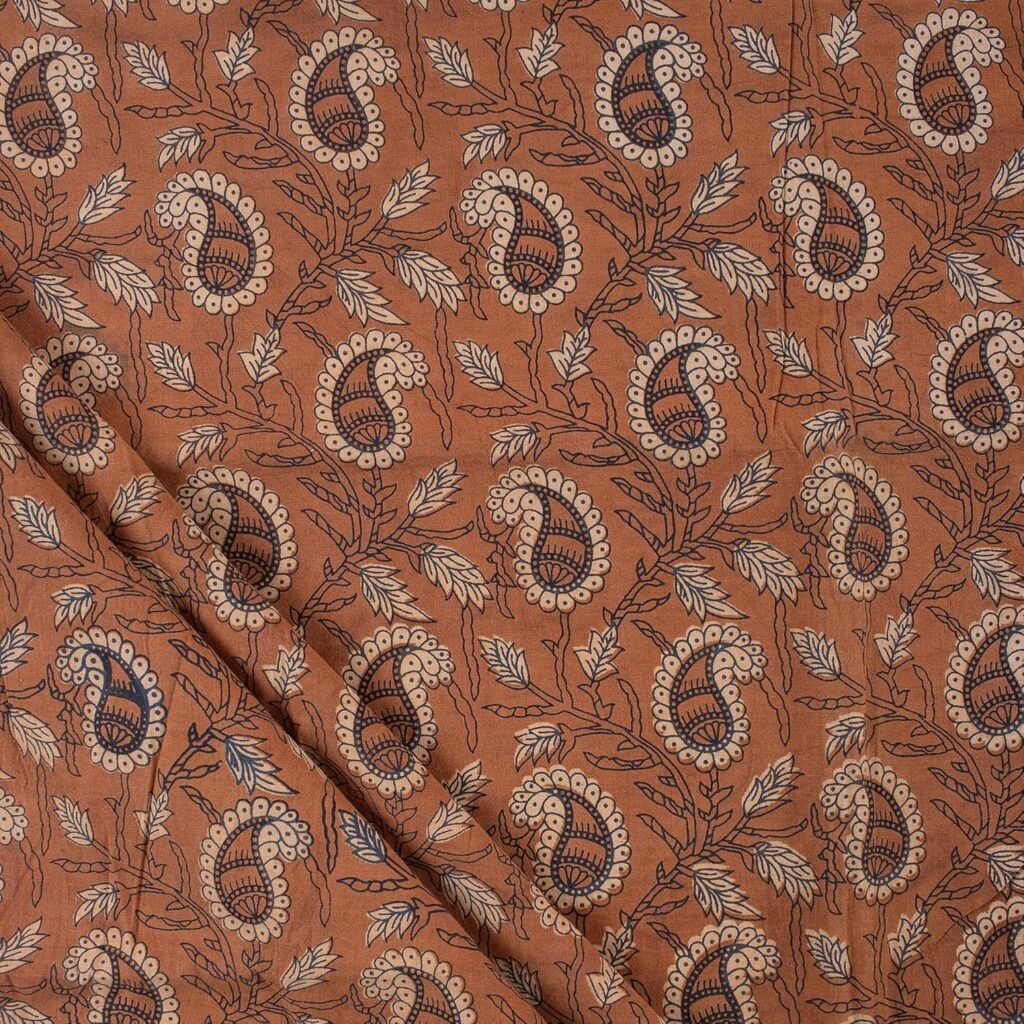
In direct block printing, the dye is applied directly to the fabric by the block. The result is a clear, solid-colour pattern on a natural fabric ground. This is the most straightforward form of block printing and produces the clearest, most graphic patterns — geometric designs, bold florals, and stylised motifs print particularly well using this method. The colours can be very saturated and vibrant, or softened with natural dyes for a more muted, faded quality.
Resist printing (batik and discharge)
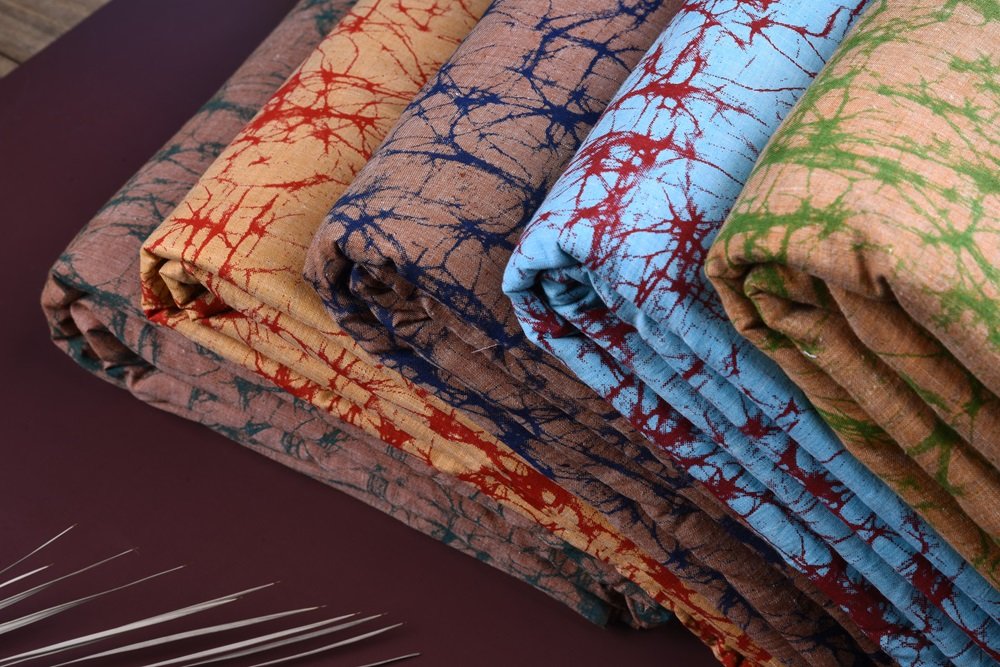
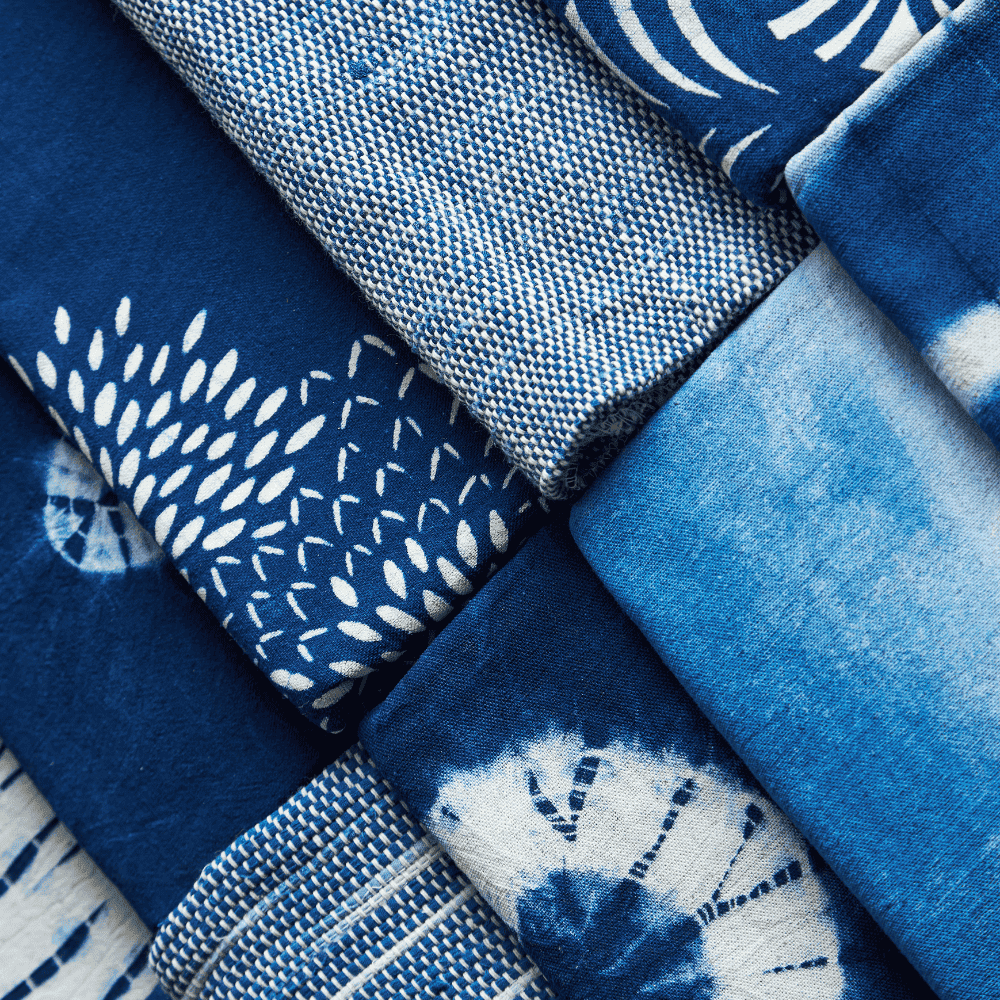
Resist printing uses the block to apply a resist substance — traditionally a mud paste made from clay, wheat, and calcium hydroxide in Rajasthan — rather than dye. The resist blocks out areas of fabric that remain the natural colour when the background dye is subsequently applied. Then, the resist is removed by washing so that the pattern in the fabric remains the natural color while the ground is dyed. This way, the tonal variations are much more subtle and complex than direct printing and this technique is the true source of the famous indigo-resist prints of Rajasthan.
Discharge printing
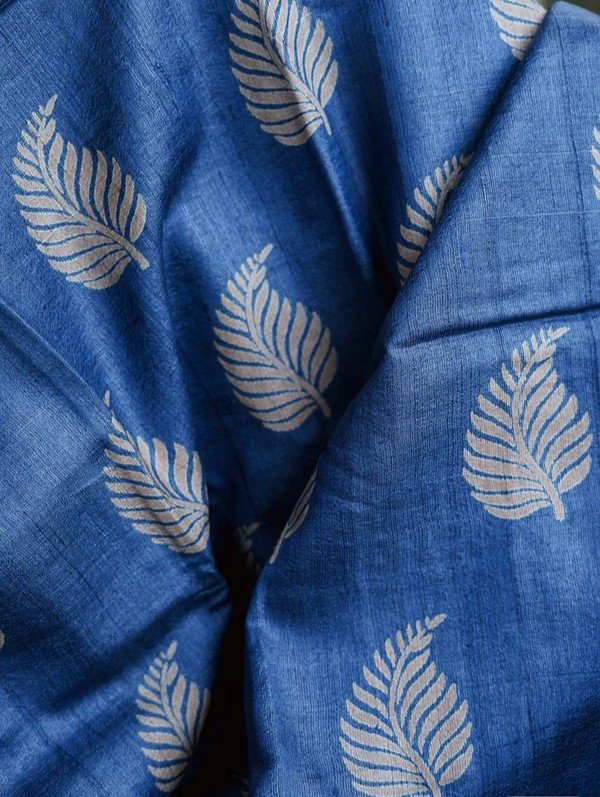
A third technique bleaches or removes colour from previously dyed fabric using a block loaded with a reducing agent rather than dye. The result is a lighter pattern on a coloured ground — white or pale patterns on indigo, red, or black fabric. Discharge printing can achieve very delicate, precise details and is used for some of the most refined and historically significant Indian block print designs.
Block Print Patterns: A Guide to the Major Styles
Indigo resist print
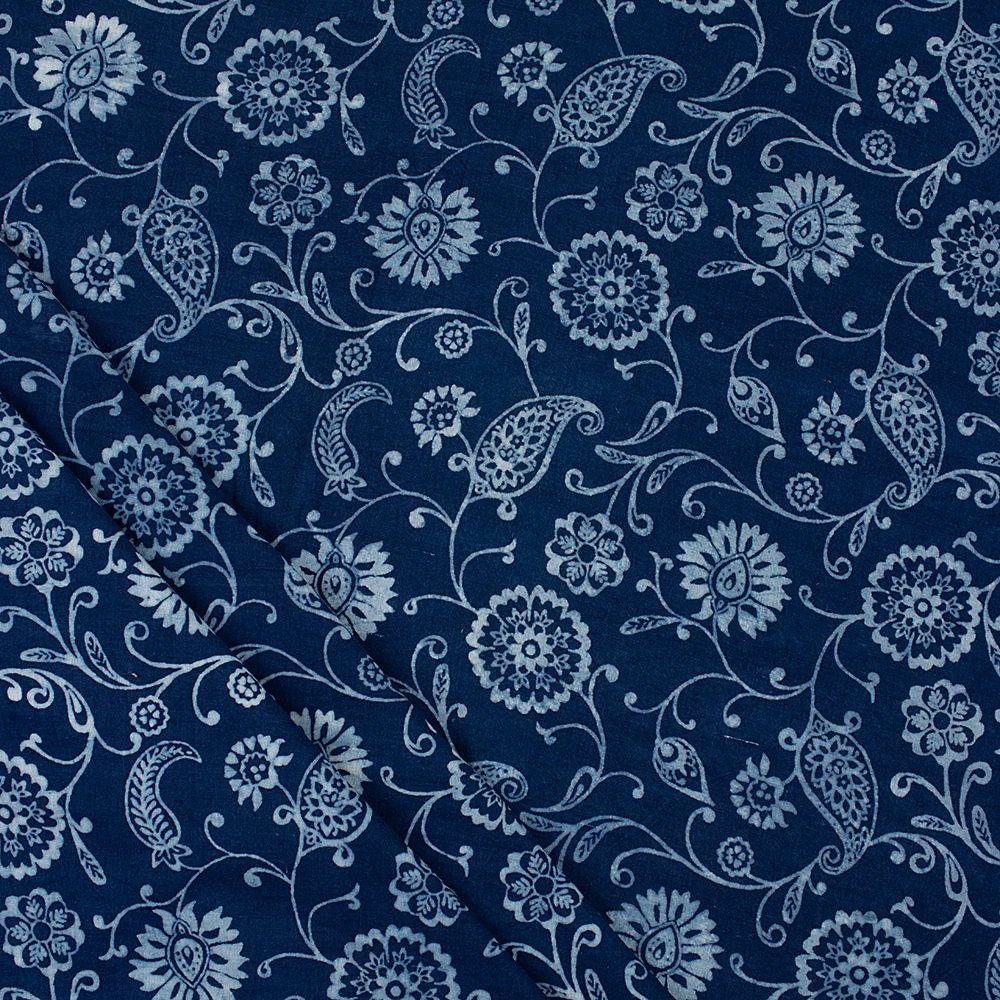
Perhaps the most iconic and most internationally recognised block print style: deep indigo blue backgrounds with white or pale geometric and floral patterns created through the resist process. Indigo resist prints have a graphic quality and a strong visual presence — they are immediately identifiable and strongly associated with the artisan textile tradition.
In curtain form, indigo resist prints work exceptionally well in rooms with natural materials — wooden floors, rattan furniture, linen sofas — and with wall colours in warm white, cream, or natural terracotta. The deep blue against natural tones is one of the most enduring and satisfying colour combinations in textile history.
Floral hand stamp
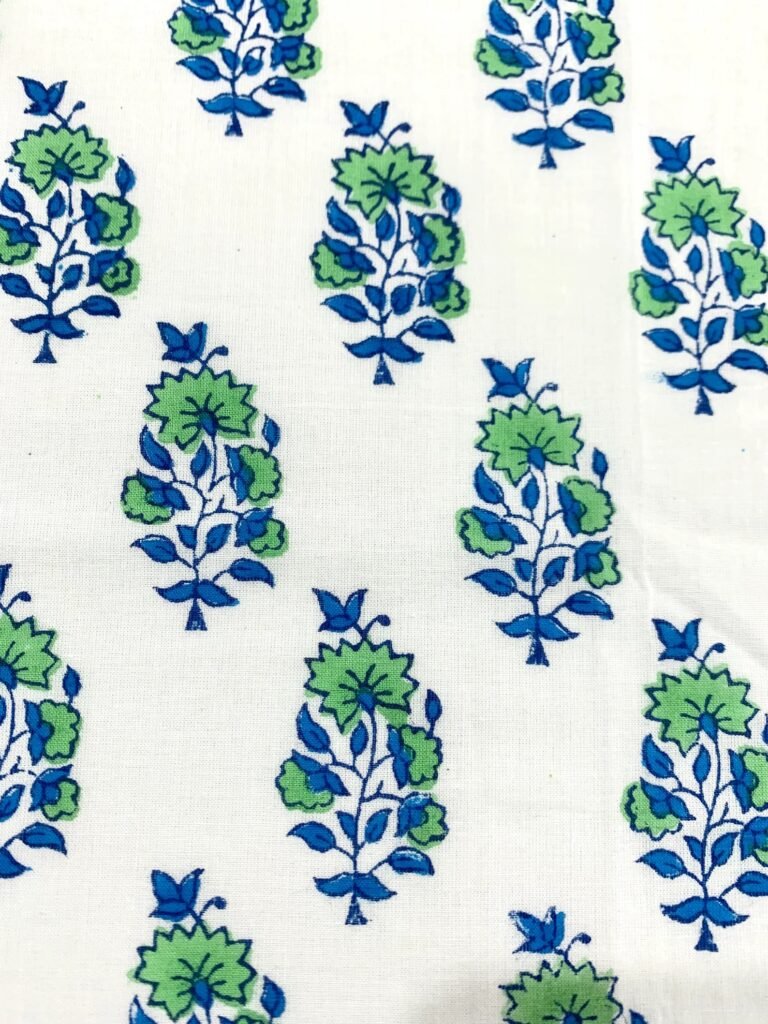
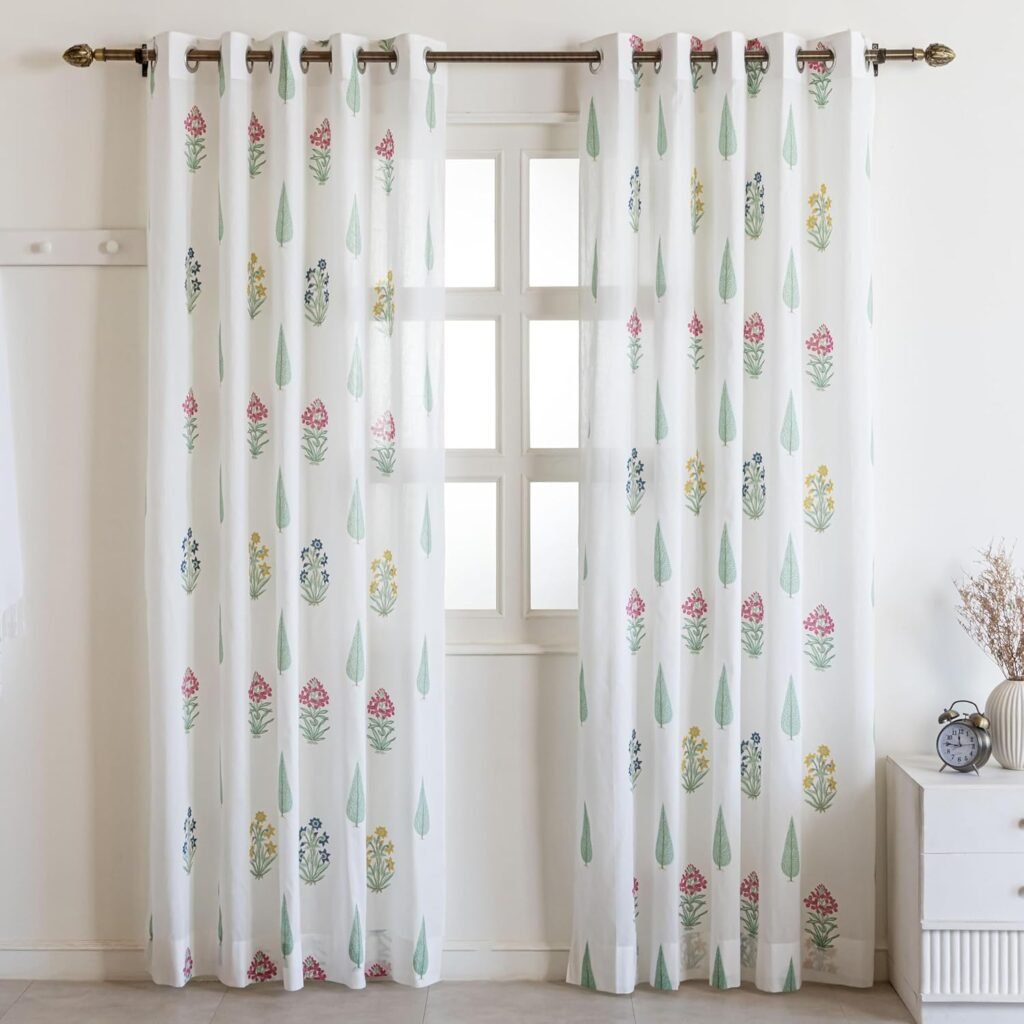
Loose, organic flower designs — roses, lotuses, chrysanthemums, abstract flowering forms — are printed usually in a regular or semi-regular repeat. Compared to geometric prints, floral block prints are usually warmer and softer, and they also go well to rooms that have a romantic, slightly cottage-inspired style. Floral block print curtains in warm terracotta, dusty pink, or soft sage shades on a cream or natural background will make a room that is at the same time unusual and welcoming.
Floral block prints are among the most widely available styles and the most accessible in terms of styling — they are more forgiving of imperfect room styling because the warmth of the pattern does much of the aesthetic heavy lifting.
Geometric woodblock
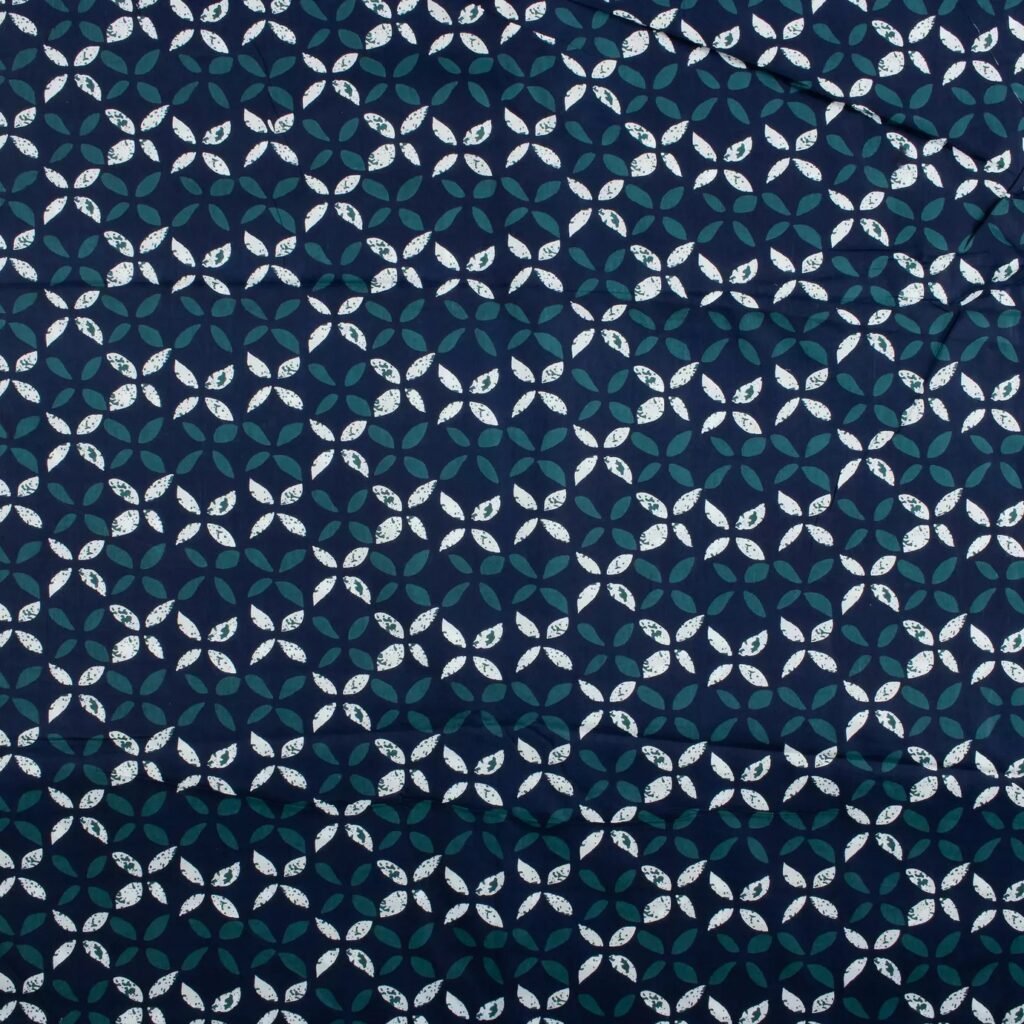
Crisp, regular geometric patterns — diamonds, chevrons, hexagons, interlocking triangles — produced by highly precise carved blocks. Geometric block prints have a more contemporary, graphic quality than florals and suit modern and eclectic interiors equally well. In black on white, or two complementary colours, geometric block print curtains make a confident design statement.
The geometric category includes some of the oldest and most culturally significant block print designs — particularly the buta (paisley-like teardrop form) and the lattice patterns associated with Mughal architecture that remain in continuous production.
Tribal and folk motifs
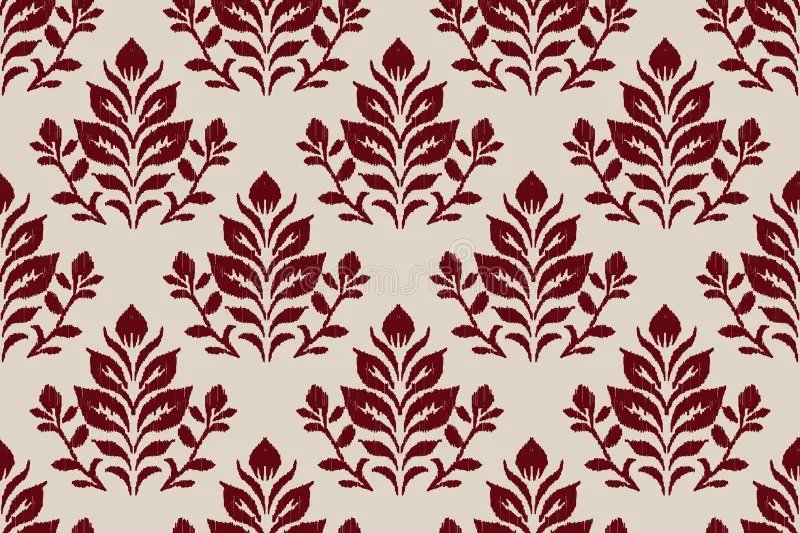
Regional folk designs — birds, elephants, horses, trees, human figures — from specific Indian printing traditions including Warli, Gond, and the various folk styles of Rajasthan. These patterns are loaded with cultural meanings and result in draperies that feature a unique character. Indeed, they suit most the interiors with maximalist, collected, or globally-inspired vibe rather than minimal or modern ones.
How to Choose the Right Block Print Pattern for Your Room
The main factors are the existing colour scheme of the room, the style of the furniture, and how visually complex the room already is.
- Rooms with plain walls and minimal furniture: a stronger, more intricate block print pattern is a good choice since the curtain will take centre stage. Indigo resist or a multi-color floral stamp are both good options.
- Rooms with patterned wallpaper or busy furniture: it’s better to go for a simpler, more geometric block print in neutral colours. A repeating diamond or chevron pattern in cream and natural will not only stay out of the way of the other patterns but also bring the handcrafted look of block print to the
- Rooms that want warmth and personality without strong colour commitment: small-scale, all-over repeat patterns in two tones are the most versatile. A Geometric prints in terracotta on cream are simple and will go with any room and colour scheme.
- Living rooms and dining rooms: large-scale patterns are easy to read from a Rooms you sit in at a distance from the window benefit from prints that are visible and distinctive across the room.
- Bedrooms: It is a known fact that smaller-scale patterns evoke a sense of restfulness in bedrooms when compared to the large, intricate prints. A subtle, gentile floral or a diminutive geometric pattern in pastel shades induce the serenity that bedrooms
✦ PRO TIP: Order fabric samples before buying curtain-length fabric. The print colours and scale of a blockprint may look completely different in a tiny online image as compared to a big hanging panel in your room. A 30cm fabric sample is very cheap and informs you really well if the pattern, scale and colour are right for your room.
Block Print Curtain Colours: What Works
Block print curtains work in a wide range of colours, but some curtain colour combinations are particularly well-established and reliably successful:
- Indigo blue and natural white: the classic combination. Works with virtually any wall colour. Strongest impact against warm whites, creams, and natural terracotta walls.
- Terracotta and cream: warm, earthy, and completely at home in 2026’s dominant earthy interior palette. Among other things, it matches really well with wooden pieces of furniture and accessories with warm color tones.
- Forest green and natural: a contemporary duo that modernizes the age-old block print method and embraces the fresh look of natural greens dominating interior design. It is elegant and stands out subtly.
- Black and white: fresh, stark and very modern. The block print method was traditionally used mostly in this plain form. Fits great with modern interiors where the artisan nature of the print is the major attraction.
- Dusty pink and cream: lighter, more romantic than the strong colors. Mainly suitable for bedrooms and other spaces where a soft feminine character without being childlike is
- Multi-colour traditional palette: red, blue, green, and gold on a natural ground — the most traditional Indian block print palette. This requires more careful room styling to avoid feeling busy, but when done well creates the most authentically artisan result.
Styling Block Print Curtains in Different Rooms
Living room
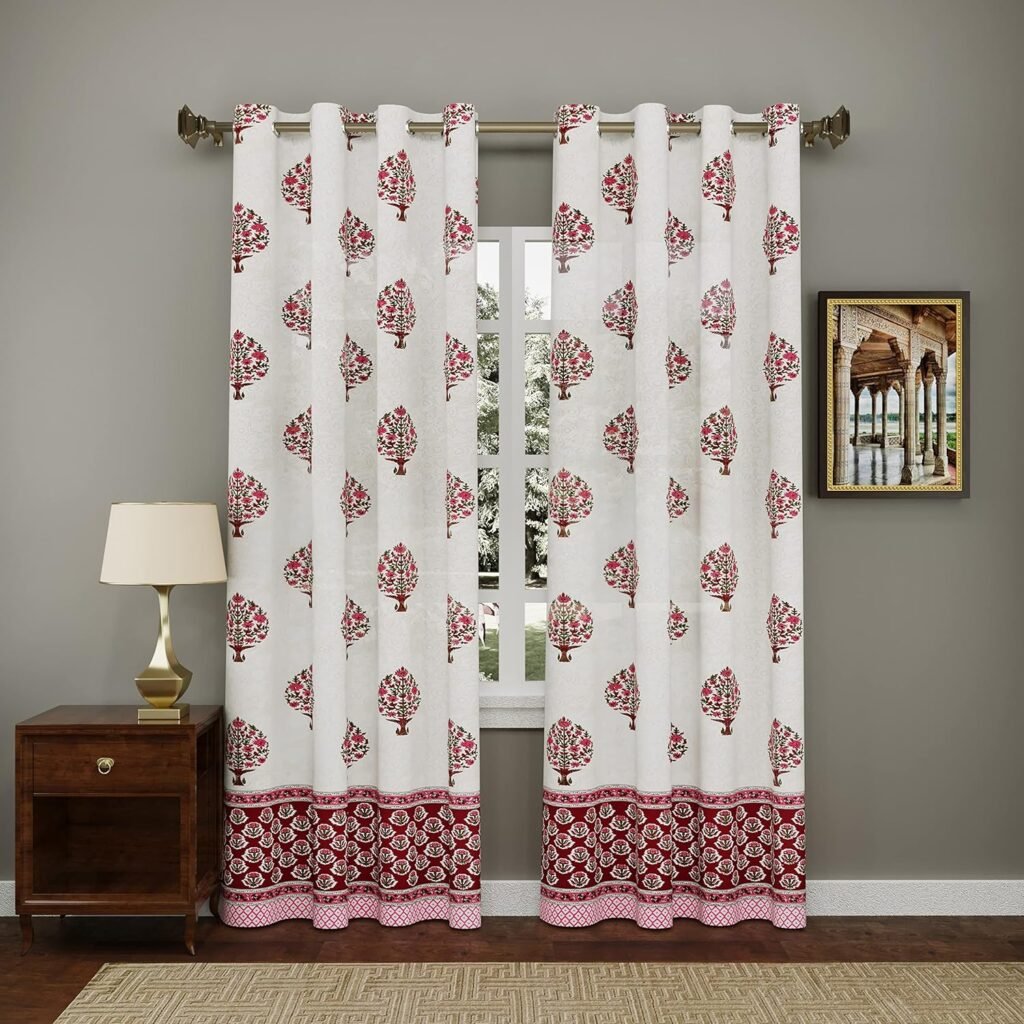
Block print curtains for living room
In a living room, block print curtains should ideally be the only printed element. The rest of the decor should feature plain or very subtly textured fabrics. A block print curtain in a strong indigo or terracotta pattern looks spectacular against a plain linen sofa, a jute rug, and simple wooden furniture. The curtain is the room’s personality — everything else supports it.
Don’t mix block print curtains with a very decorative wallpaper or a patterned rug unless you’re going for maximalism and know how to layer patterns deliberately. For most rooms, block print curtain is the only patterned element in the window treatment area.
Bedroom
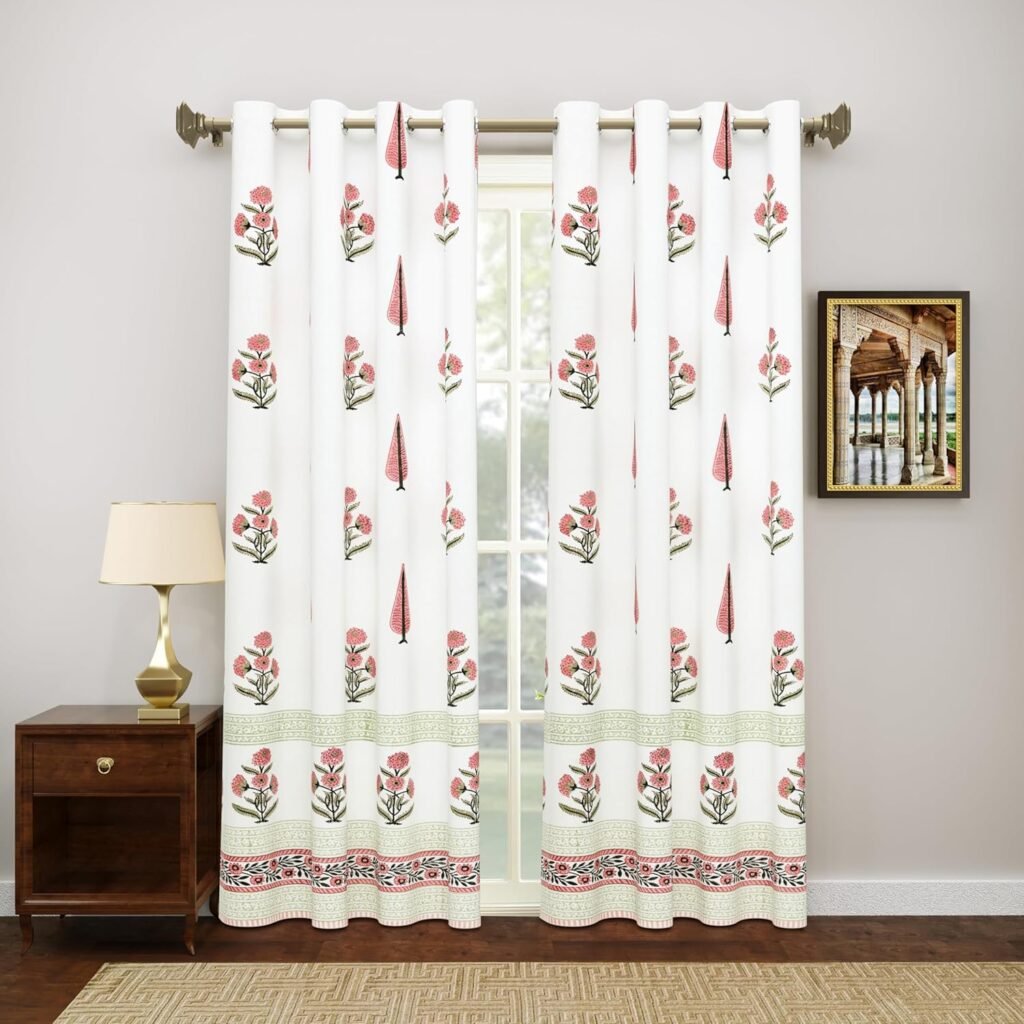
Block print curtains for bedrooms
Bedrooms are perfect places for block print curtains in smaller-scale patterns and softer colour palettes. A fine floral block print in dusty pink and cream, or a small geometric in sage and natural, sets up a space that is warm, unique, and truly handcrafted without the heavy visual impact of a large or brightly coloured print.
For a master bedroom that needs a more powerful design statement, an indigo resist print in floor-length panels contrasted against white walls is one of the most stunning and harmonious bedroom looks that ever existed.
Dining room
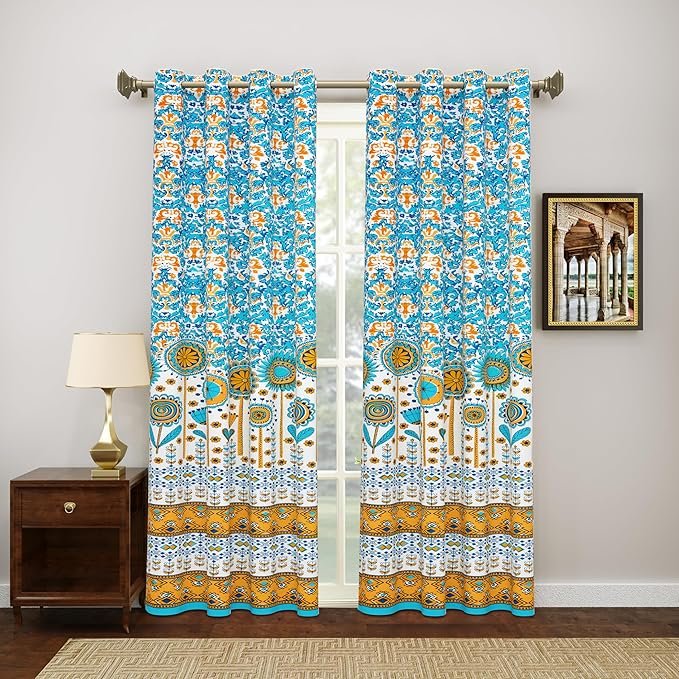
Block print curtains for dinning room
Dining rooms suit bolder block print patterns and stronger colour combinations more than any other room. The dining room is used primarily for entertaining and for evening meals — contexts where a rich, distinctive textile creates exactly the right atmosphere. A terracotta and cream block print or a multi-colored traditional print gives a dining room a little extra warmth and personality that will make evening meals seem like special occasions.
Kitchen
Instead of floor-length panels, kitchens usually work well with sill-length or cafe-style block print curtains. A small-scale geometric or floral block print in a washable cotton, handy and wipeable, will add a touch of artisan character to the kitchen without the difficulty of long curtains hanging near cooking surfaces. As block print cotton is very durable through washing, it is more suitable to kitchen environments as compared to velvet or linen.
What to Look for When Buying Block Print Curtains
The block print curtain market is a wide one, both authentic hand-printed fabrics and machine-printed ones which are passed off as block print are available. Here is a guide for spotting the differences and knowing what to expect:
- Real hand block print: small differences in pattern alignment, slightly rough pattern edges, random minor flaws in the These are signs of quality in hand-printed fabric, not flaws.
- Fabric base: Pure cotton has always been the traditional and the best suited fabric for block printing. It can be dyed with both natural and synthetic dyes, it comes through washing unchanged, and it has the correct weight for making curtains. On the other hand, blended or synthetic base fabrics react differently to dye and, more often than not, result in patterns that resemble being printed on the surface of the fabric rather than being a part of
- Colour fastness: ask specifically about colour fastness before buying, particularly for curtains in rooms with significant direct sunlight. Well-made block print fabric uses fixed dyes that do not run or fade significantly. Cheaper fabric may run on the first wash.
- Thread count and weight: curtain-weight cotton should feel substantial — not thin or flimsy. A lightweight cotton produces curtains that hang poorly and look insubstantial even with a beautiful print.
Caring for Block Print Curtains
Block print cotton curtains are more robust than many people expect, so they need regular curtain maintenance. But they do benefit from specific care that preserves the print quality and colour over time:
- First wash: wash new block print curtains separately before hanging, using cold water and a colour-safe delicate detergent. Some colour release is normal on the first wash, particularly with natural dyes — this is not a defect.
- Ongoing washing: cold water, delicate cycle, mild detergent. Never hot wash block print cotton — heat causes colour fading and, with some natural dye processes, colour bleeding.
- Drying: Air-dry in the shade instead of direct sunlight. A prolonged exposure to direct sunlight causes block printed colours to fade, especially natural dyes. If you use curtains in a very sunny room, then a UV-protective window film is worth
- Ironing: iron on the reverse side while slightly damp, at a medium temperature. Ironing the print side directly — particularly with a hot iron — can flatten the dye into the fabric in a way that subtly changes the texture of the print.
- Storage: Fold loosely instead of tightly to prevent getting permanent crease lines. Keep your items in a breathable cotton bag and away from direct
Block Print vs Other Patterned Curtain Options
How does block print compare to other ways of getting pattern into curtain fabric?
- Block print vs digital print: digital printing produces perfectly consistent, photo-realistic patterns. Block print produces slightly imperfect, hand-made patterns. Digital print curtain can replicate any design. Block print can only replicate what a carved block can produce. For artisan character and cultural significance, block print is unique. For photographic-quality imagery or perfect geometric precision, digital print is better.
- Block print vs woven pattern (jacquard): jacquard fabric has its pattern woven into the structure of the cloth — the pattern is integral and cannot fade or be washed off. Block print has its pattern applied to the surface — technically more fragile but capable of much greater variety and much lower cost. For long-term durability, jacquard is more robust. For variety, affordability, and artisan character, block print wins.
- Block print vs plain fabric: plain fabric is more versatile and easier to style in rooms that already have pattern elsewhere. Block print makes a stronger individual statement. Opt for block print if the curtains are to be the highlight of the room; go for plain if the curtains are just to back up other
Final Thoughts
Block print curtains sit in a category of their own. They are not trying to be the most minimal option, the most luxurious option, or the most practical option. They are the most characterful option — the fabric choice that brings a room a sense of history, craft, and personality that no other textile quite replicates.
For homes that want to feel genuinely collected and personal rather than showroom-perfect, block print curtains are one of the most effective tools available. A single pair of well-chosen block print curtains in a room of otherwise simple elements transforms the whole space.
If you are ready to explore block print fabric — whether for curtains or for any other use in your home — we carry a range of hand block-printed cotton fabric in a full colour and pattern range, available by the metre for custom-length curtains or any other project.
Frequently Asked Questions
Q: Are block print curtains suitable for modern homes?
A: Absolutely. The artisan quality and cultural depth of block print fabric works in contemporary interiors precisely because it introduces the kind of handmade character that purely contemporary furniture and finishes often lack. The most successful approach in modern homes is to use block print as a deliberate accent — one window in block print curtains against otherwise plain walls and furniture creates a focal point that elevates the whole room. Indigo geometric and black-and-white block prints in particular suit modern spaces very well.
Q: Do block print curtains fade quickly?
A: Block print curtains of good quality, made with colour-fast dyes and a quality cotton base, don’t normally fade very fast with regular use. The main culprits of fading are: washing with hot water, which breaks down patches of dyed cloth; prolonged exposure to direct sunlight over a period of years; and using detergents containing bleach. Washing with cold water, drying in the shade and a UV window film in very sunny rooms will keep the block print colour intact for 8 to 15 years or more.
Q: Can I get block print curtains in custom sizes?
A: Yes — this is one of the significant advantages of buying block print fabric by the metre rather than ready-made panels. Fabric can be cut to any length and width and made up to whatever size your windows require. Block print fabric by the metre is the best way to have full control of the final dimensions of the curtain. Also, it helps you in matching the pattern repeat exactly over the different panels.
Q: What is the best colour of block print curtains for a room with white walls?
A: White walls make the perfect base behind block print curtains as they let any colour stand out without the two competing. Indigo and natural is the classic choice — the contrast is striking and the result feels globally inspired and confidently designed. Terracotta and cream is a slightly warmer and perhaps more versatile option for most rooms. Forest green and natural is a more contemporary choice that sits well with the current interest in natural greens in interior design.
Q: Are hand-printed block print curtains much more expensive than machine-printed alternatives?
A: Because of the skill and time required for production, genuine hand block-printed textile costs more than machine-printed ones – a skilled block printer can only print about 10 to 15 metres of fabric per day. However the price differential is usually small compared to the difference in quality, and block print is still much cheaper than woven jacquard or premium velvet. The real merit of the fabric is that it changes and enhances its character as it ages and it is a real craft piece.